
1231 (number and year)
Overview of 1231 as an integer and as the year AD 1231: numeric properties, representations, and notable historical events in the High Middle Ages.
1231 is considered both a natural number and a calendar year. As a numeral it appears in mathematics, computing, numbering systems and historical dating. As a year, 1231 AD falls in the High Middle Ages and is associated with a number of legal, religious and military events across Europe and Asia.
Image gallery
1 Image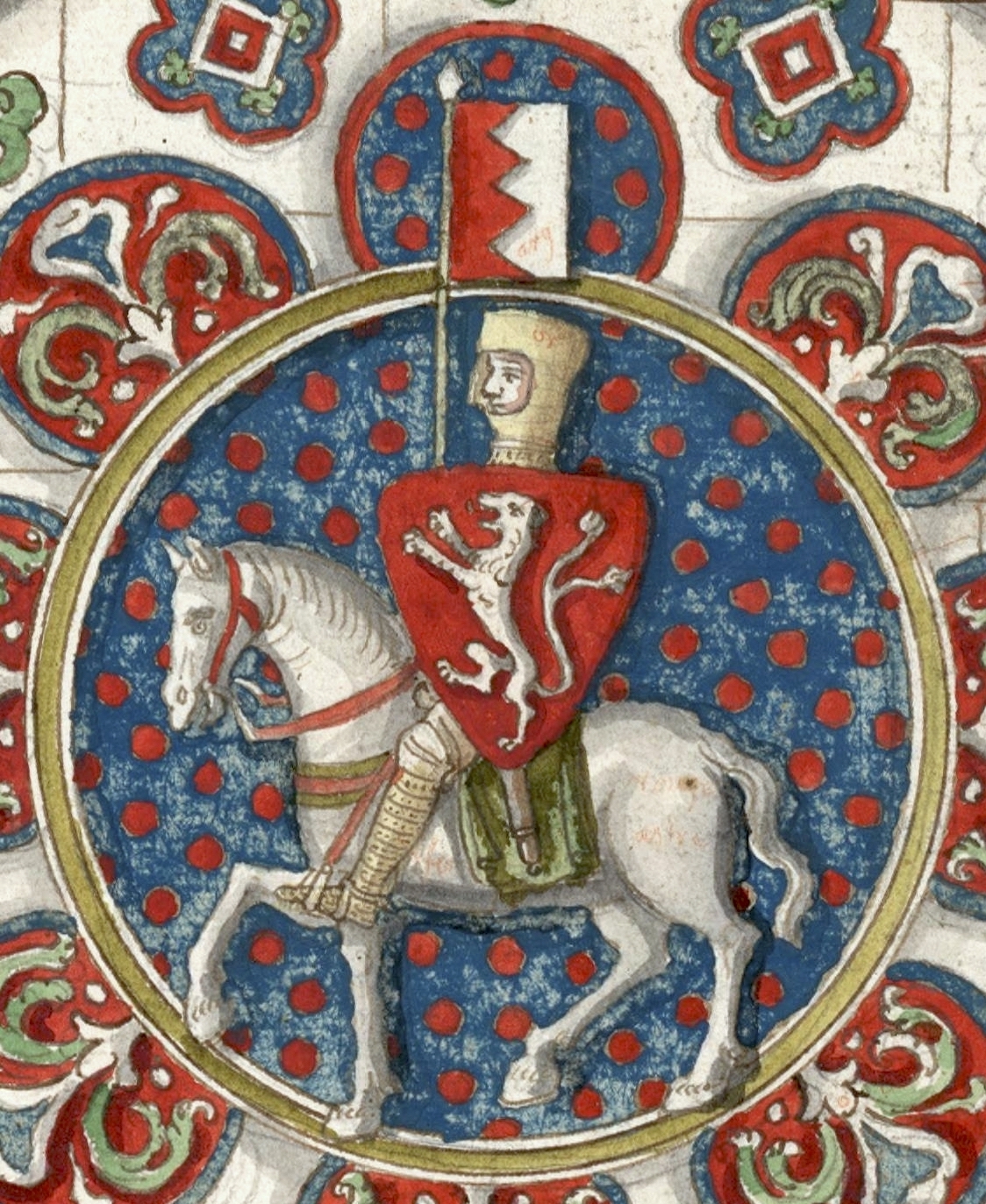
Number properties and representations
Mathematically, 1231 is a prime number: it has no positive divisors other than 1 and itself. It forms a twin prime pair with 1229, since the two differ by 2 and both are prime. In modular arithmetic 1231 is congruent to 3 modulo 4 and to 1 modulo 6. Common representations include Roman numerals (MCCXXXI), binary (10011001111) and hexadecimal (4CF).
Year 1231 (AD): context and significance
The year 1231 belongs to the 13th century, a period of political consolidation, legal codification and expanding contact between Europe and the wider world. It is remembered for several institutional and military developments that illustrate the tensions of the era: centralizing monarchs, papal authority, and the advance of Mongol power in East Asia.
Notable events in 1231
- Constitutions of Melfi: Emperor Frederick II promulgated the Liber Augustalis (the Constitutions of Melfi), an important legal code that reorganized administration and justice in the Kingdom of Sicily.
- Papal measures against heresy: Pope Gregory IX strengthened procedures to identify and prosecute heresy, a process that contributed to the institutionalization of the papal inquisition during this period.
- Mongol invasions: In East Asia the Mongol campaigns continued to reshape regional politics; in 1231 Mongol forces launched major operations against the Korean kingdom of Goryeo, initiating a series of invasions.
- Religious figures: Saint Anthony of Padua, a prominent Franciscan preacher, died in 1231 and was widely revered; his reputation grew rapidly in the years after his death.
These items reflect wider trends of the time: legal centralization by secular rulers, assertive papal policy on orthodoxy, and the dramatic military expansion of steppe empires that connected Eurasia in new ways.
Uses, occurrences and distinctions
The sequence 1231 appears frequently simply as an ordinal or identifier—house numbers, model numbers, document codes and years. In number theory it is notable as a prime and as part of a twin prime pair. As a year it is often cited in discussions of Frederick II's legal reforms and the early institutionalization of inquisitorial procedures in medieval Europe.
Related articles
Author
AlegsaOnline.com 1231 (number and year) Leandro Alegsa
URL: https://en.alegsaonline.com/art/111155