
1165
1165: the integer and the year 1165 CE — mathematical features of 1165 and the historical context of the mid‑12th century across regions.
Overview
1165 can refer to either the integer that follows 1164 and precedes 1166 or to the year 1165 of the Common Era (MCLXV). As a calendar year it belongs to the High Middle Ages, a period of demographic growth, renewed urban life and expanding long‑distance contacts between Europe, the Islamic world and East Asia. As a number, 1165 is an odd, composite integer with a simple prime factorization.
Image gallery
2 Images
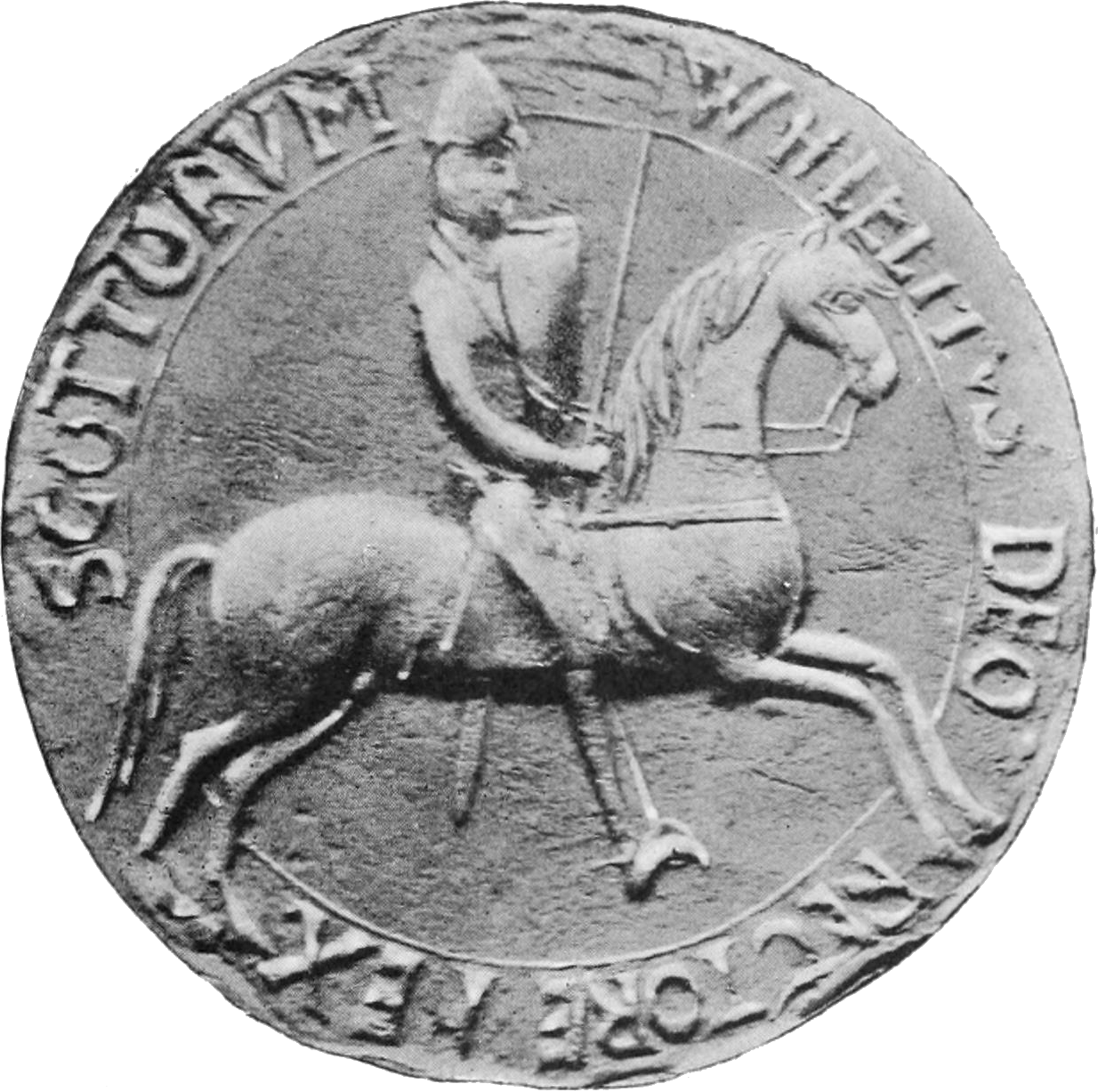
Mathematical properties
In arithmetic terms, 1165 factors as 5 × 233. The factor 233 is itself prime and well known as a Fibonacci number (F13). The full set of positive divisors of 1165 is {1, 5, 233, 1165}. Additional elementary descriptors include:
- Decimal sum of digits: 1 + 1 + 6 + 5 = 13.
- Binary representation: 10010001101.
- Hexadecimal representation: 0x48D.
- It is not a perfect square or a perfect cube, nor does it have notable polygonal number status in common lists.
1165 (the year) — broad context
The year 1165 falls within a century characterized by political consolidation in some regions and fragmentation in others. In much of western Europe, monarchies and feudal institutions were strengthening while cathedral schools and early universities were beginning to take shape. The Crusader states in the Eastern Mediterranean continued to interact — often violently — with neighboring Muslim polities. In East Asia, the Song dynasty in China and the Goryeo kingdom in Korea both experienced complex internal developments and active diplomacy or military pressure from adjacent states.
Regional notes and cultural currents
- Western Europe: increased castle building, regional power struggles among nobles and kings, and the growth of monastic and episcopal centers of learning.
- The Mediterranean and Near East: ongoing contact—through trade and warfare—among Byzantium, Crusader states and Islamic principalities, shaping politics and cultural exchange.
- East Asia: advanced administrative states with sophisticated technologies and vibrant literary and artistic cultures; long‑distance trade along land and maritime routes linked many societies.
- Other regions: complex societies in the Indian subcontinent, Southeast Asia and the Americas continued local developments independent of Eurasian dynamics.
Notable figures and legacy
Several influential intellectuals, clerics and rulers lived during the mid‑12th century and shaped subsequent centuries. Figures whose careers or lives overlap this period include theologians and jurists, scholars of the Islamic and Jewish traditions, and rulers whose policies influenced regional trajectories. The year 1165 is often treated as part of the broader 12th‑century transformations that laid groundwork for later legal, intellectual and economic changes in many parts of the world.
Whether treated as a number or as a moment in history, 1165 sits at the junction of arithmetic curiosity and a dynamic human era: the number is a compact product of small primes, and the year sits within a century of significant social, technological and cultural interchange across continents.
Related articles
Author
AlegsaOnline.com 1165 Leandro Alegsa
URL: https://en.alegsaonline.com/art/111080
Sources
- wdl.org : "The Meccan Revelations"