
1051 (year)
Mid-11th century year in the medieval period marked by political tensions in England, ongoing Church reform in Rome, and wider shifts across Europe, Byzantium and the Islamic world.
Year 1051 was a common year beginning on Tuesday in the Julian calendar; contemporary chronologies place it in the middle of the eleventh century, a period of political realignment and ecclesiastical reform in western Europe. For a modern calendar reference see the calendar and for the system used at the time the Julian calendar.
Image gallery
1 Image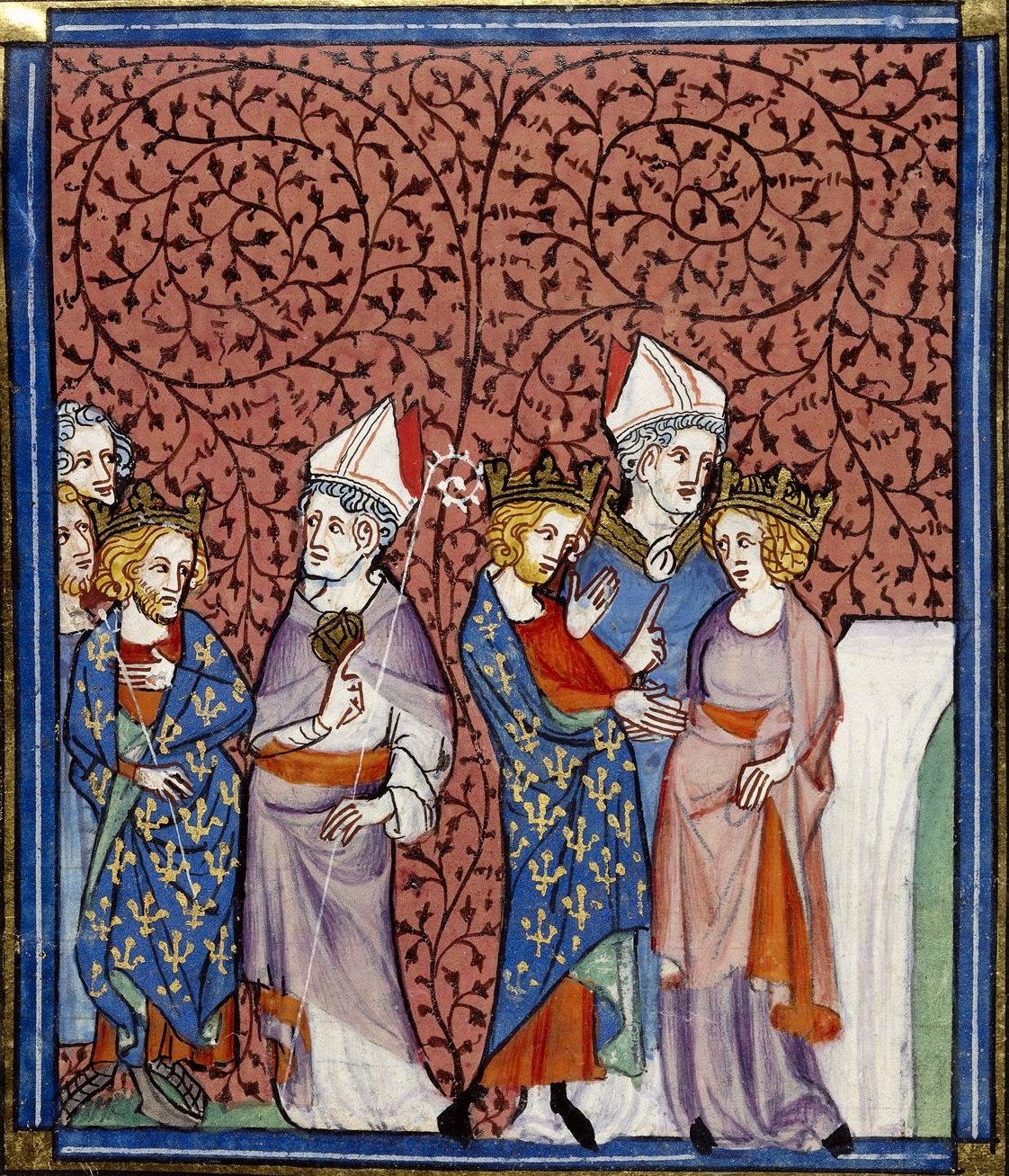
Overview and political highlights
The surviving narrative sources for 1051 are regional and uneven, but several clearer events illuminate broader trends. In England that year the powerful Earl Godwin of Wessex and members of his family fell into conflict with King Edward the Confessor and temporarily left the country after a disputed incident at Dover; this episode exposed tensions between royal authority and aristocratic magnates and presaged further upheavals in the decade to come.
On the Continent and in the Mediterranean several established polities—the Holy Roman Empire, the Byzantine Empire, and the Papacy—continued to exert influence while local rulers consolidated control. Pope Leo IX was active in efforts to address clerical abuses, and rulers such as the dukes of Normandy and other regional lords strengthened territorial administration and military capabilities.
Cultural, religious and military context
The mid-11th century was a formative moment for church reform movements, monastic revival, and the growth of Romanesque architecture. Military pressures at empire frontiers, particularly in Anatolia and the eastern Mediterranean, were increasing as Turkic groups and other forces challenged Byzantine defenses. Trade, agrarian expansion and the production of illuminated manuscripts continued to shape social life in towns and monasteries.
Sources and significance
- Primary knowledge comes from chronicles, annals and charter material that survive unevenly across regions.
- Though no single event in 1051 radically altered Europe, the year fits into a sequence of developments—aristocratic politics in England, papal reform, and regional state formation—that set the stage for later 11th‑century transformations.
Because evidence is fragmentary, specific local events, births and deaths are often uncertain; historians therefore place 1051 within wider mid‑century trends rather than treating it as defined by one decisive moment.
Related articles
Author
AlegsaOnline.com 1051 (year) Leandro Alegsa
URL: https://en.alegsaonline.com/art/110958