
Zeta (Greek letter)
Zeta (Ζ, ζ) is a letter of the Greek alphabet, representing the /z/ sound in modern Greek, with a numeric value of 7 and many uses in language, science, and symbol systems.
Zeta (uppercase Ζ, lowercase ζ) is a letter of the Greek alphabet. It represents the voiced sibilant sound in Modern Greek and occupies a long-standing place in Greek writing and culture. The glyphs are visually familiar—uppercase Ζ resembles the Latin Z—while the lowercase form appears in a few common typographic shapes.
Image gallery
1 Image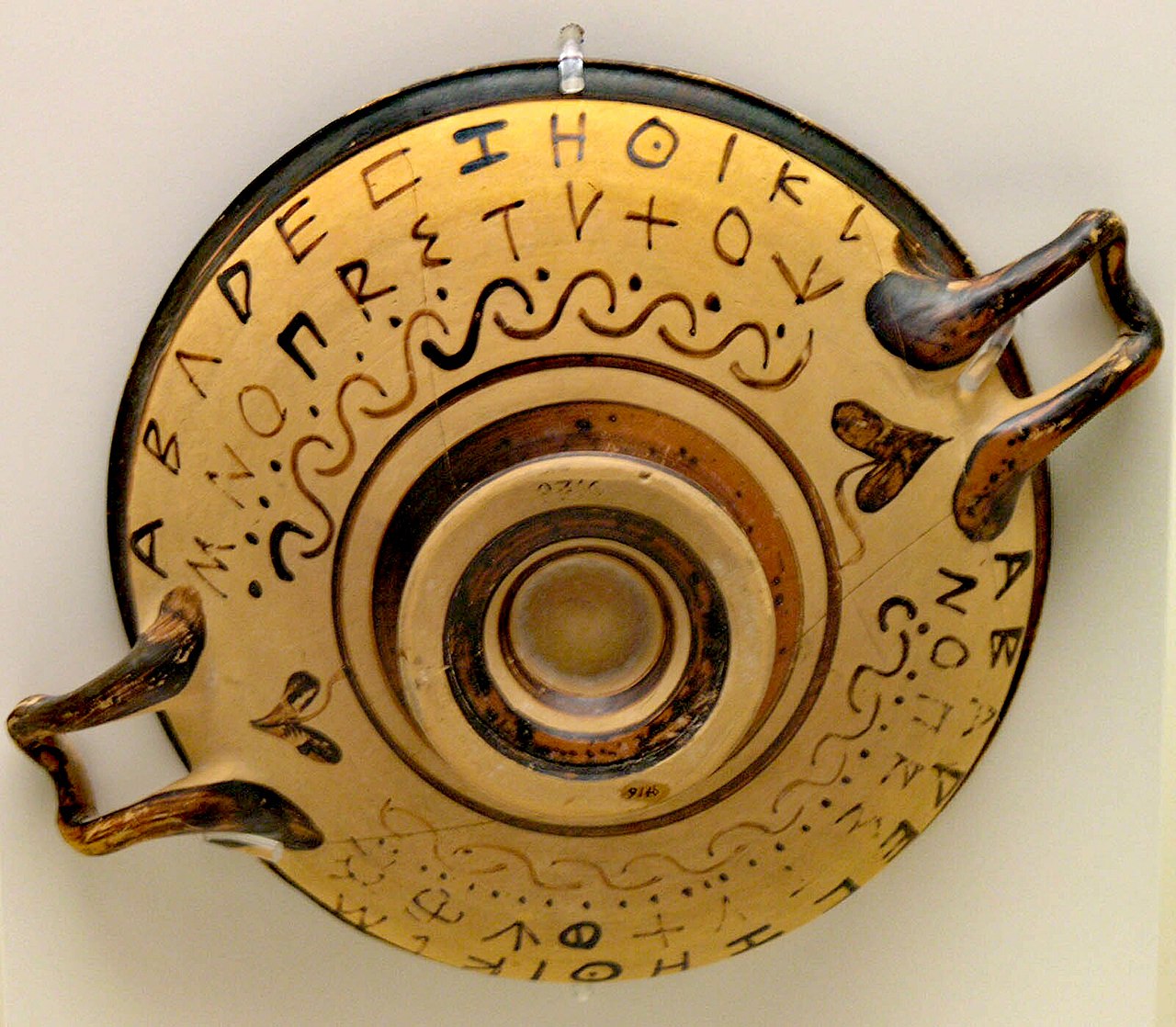
Pronunciation and form
In contemporary Greek zeta denotes the /z/ sound. Historical pronunciation is debated among scholars: in earlier stages of the language its value may have differed, with reconstructions suggesting affricate or cluster realizations in some dialects. The lowercase ζ has two widely used typographic variants: a looped, cursive-like form and a straighter, tail-shaped form used in print.
Origins and alphabetical position
Zeta derives ultimately from the Phoenician letter zayin and appears in classical inscriptions and manuscripts. In the modern sequence it is the sixth conventional letter, but in the tradition of Greek numerals it carries the value 7 because an archaic sign (digamma) once occupied the sixth position and retained its numeric role.
Numeric value and descendants
As a numeral zeta denotes seven in the Greek system. Letters that evolved from zeta include the Latin Z—whose history reflects Greek-to-Roman borrowing—and the Cyrillic letter Ze (З). For more on the broader script family see Greek alphabet and the development of alphabets from Semitic sources in works on Ancient Greek.
Uses and notable appearances
- Mathematics: the name appears in the Riemann zeta function and other special functions.
- Physics and engineering: the lowercase ζ commonly denotes damping ratio and other dimensionless parameters.
- Astronomy and naming: stars are often designated by Greek letters, including "zeta" in constellation labels.
- Chemistry and material science: terms like zeta potential use the letter as a shorthand.
Its numeric role is discussed alongside other Greek numerals; for context see Greek numerals. The letter's Western descendants are treated in studies of alphabetic transmission and paleography; an introduction to the Roman lineage appears via Roman Z.
Related articles
Author
AlegsaOnline.com Zeta (Greek letter) Leandro Alegsa
URL: https://en.alegsaonline.com/art/110529