
Yaoundé — capital city of Cameroon
Yaoundé is the political and administrative capital of the Republic of Cameroon, a central highland city known for government institutions, universities, cultural sites and hilly terrain, second in size to Douala.
Overview
Yaoundé is the seat of government of the Republic of Cameroon. Located in the central highlands, it serves as the country’s political and administrative center. Although not the largest urban area, Yaoundé is a major city with a population in the millions and an extensive concentration of state institutions, foreign missions and national cultural organizations.
Image gallery
10 Images




Geography and character
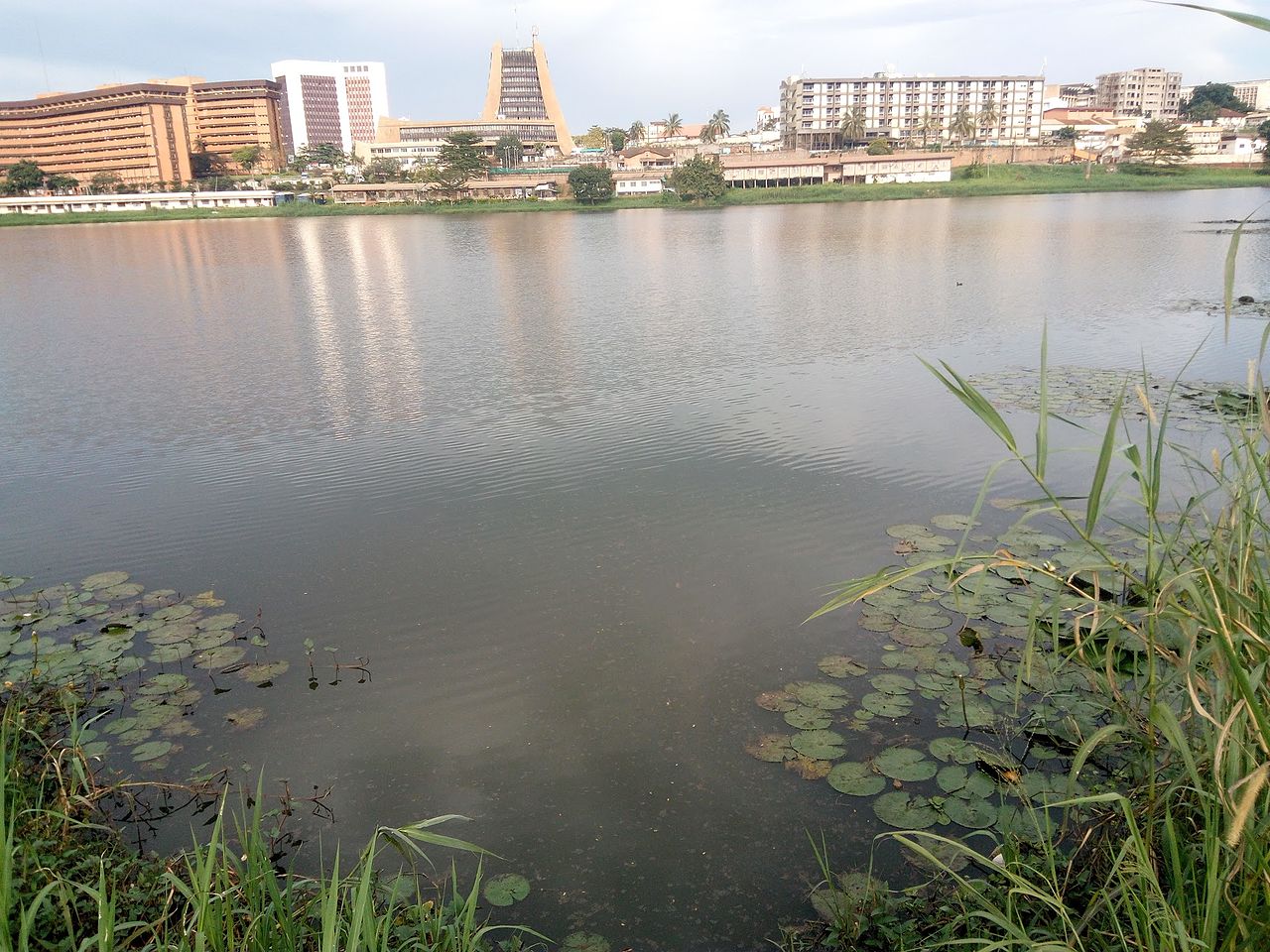
The city is set among rolling hills and elevated terrain, often described as a city of seven hills, which gives it a greener, cooler feel than coastal lowlands. The urban area combines formal administrative districts, residential neighborhoods, lively markets and patches of parkland. Yaoundé is predominantly francophone in its public life but, like the country as a whole, is linguistically and culturally diverse.
History and development
Yaoundé grew from a colonial outpost established in the late 19th century and expanded through the 20th century as administrations and educational institutions were sited there. After independence, it consolidated its role as the national capital, prompting construction of government buildings, universities and sports facilities that anchor its contemporary identity.
Institutions and economy
The city hosts national ministries, the presidential residence, the national assembly and many public agencies, making the public sector a dominant employer. Higher education and research are concentrated in institutions such as the University of Yaoundé, and cultural life includes museums, theaters and stadiums like the national stadium. Commerce ranges from formal businesses to vibrant informal markets that supply daily needs.
Transport and role in the country
Yaoundé is connected to the rest of Cameroon by a network of roads and by an international airport located outside the urban core. It complements the country’s commercial hub: while Yaoundé is the capital, it is generally regarded as the second largest city after Douala, which handles much of the nation’s maritime trade and industry.
Notable facts
- Serves as the national political center and site of many government institutions.
- Home to significant higher-education and cultural facilities.
- Characterized by hilly, green surroundings and a milder climate than the coast.
Related articles
Author
AlegsaOnline.com Yaoundé — capital city of Cameroon Leandro Alegsa
URL: https://en.alegsaonline.com/art/109640
Sources
- citypopulation.de : citypopulation.de/en/cameroon/cities/
- commons.wikimedia.org : Yaoundé