
Wyrd Sisters
A 1988 comic fantasy novel by Terry Pratchett; sixth Discworld book and the first to center on the witches—a satirical, Shakespeare‑tinged tale about fate, storytelling and power.
Wyrd Sisters is a comic fantasy novel by Terry Pratchett first published in 1988. It is the sixth book set on the Discworld and the novel that makes the witches—rather than wizards or city officials—the primary viewpoint characters. The book blends folkloric witchcraft, court intrigue and stagecraft into a fast-moving satire of theatrical conventions and Shakespearean tragedy.
Image gallery
3 Images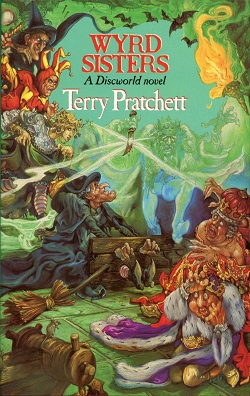


Setting and principal characters
The story takes place in the small, rural kingdom of Lancre and in nearby towns, where ordinary folk rub up against the uncanny. The central figures are three very different witches: Granny Weatherwax (stern and pragmatic), Nanny Ogg (earthy and social) and Magrat Garlick (younger and idealistic). Supporting elements include a murdered ruler, a hidden heir, and a travelling acting troupe whose performances shape public perception.
Themes and style
Pratchett uses wit and parody to explore how stories influence events. The book riffs openly on Shakespeare—particularly Macbeth and Hamlet—using theatrical devices, dramatic irony and meta‑theatrical jokes to ask whether destiny is made by witches, kings or storytellers. Humor, moral observation and clever wordplay are combined with brisk plotting.
Structure and notable elements
- Character-driven comedy focused on three witches rather than a single hero.
- Satire of court politics and theatrical culture alongside fantasy motifs.
- Use of folklore and pragmatic magic: witches’ power often lies in shrewd psychology rather than spells.
Publication, series role and legacy
As the sixth Discworld novel, Wyrd Sisters helped establish a recurring witches subseries within Pratchett’s larger cycle and influenced later books that further develop the trio and Lancre. Critics and readers praised its sharp dialogue and inventive pastiche; it remains a widely read entry point for those interested in Pratchett’s treatment of myth, gender and popular storytelling. The book has inspired stage and radio productions and frequent scholarly and fan commentary on its Shakespearean parallels.
For readers new to Discworld, this novel showcases Pratchett’s knack for combining affectionate satire with underlying seriousness about human nature, community and the power of narrative.
Related articles
Author
AlegsaOnline.com Wyrd Sisters Leandro Alegsa
URL: https://en.alegsaonline.com/art/109393
Sources
- terrypratchettbooks.com : "Wyrd Sisters"
- amazon.co.uk : amazon.co.uk/Wyrd-Sisters-Discworld-Novel-Novels/dp/0552166642
- imdb.com : "Wyrd Sisters"