
Withernsea: coastal town in the East Riding of Yorkshire
Withernsea is a seaside town on the A1033 in the East Riding of Yorkshire, England, known for its promenade, red-and-white lighthouse and role as a small local service and tourist centre.
Withernsea is a small coastal town in the East Riding of Yorkshire, England, located on the A1033 road beside the North Sea. It functions as a local service centre for the surrounding rural area and as a modest seaside resort. The 2001 UK census recorded a population of 5,980 in the town; later censuses have shown changes typical of many small British coastal communities.
Image gallery
10 Images


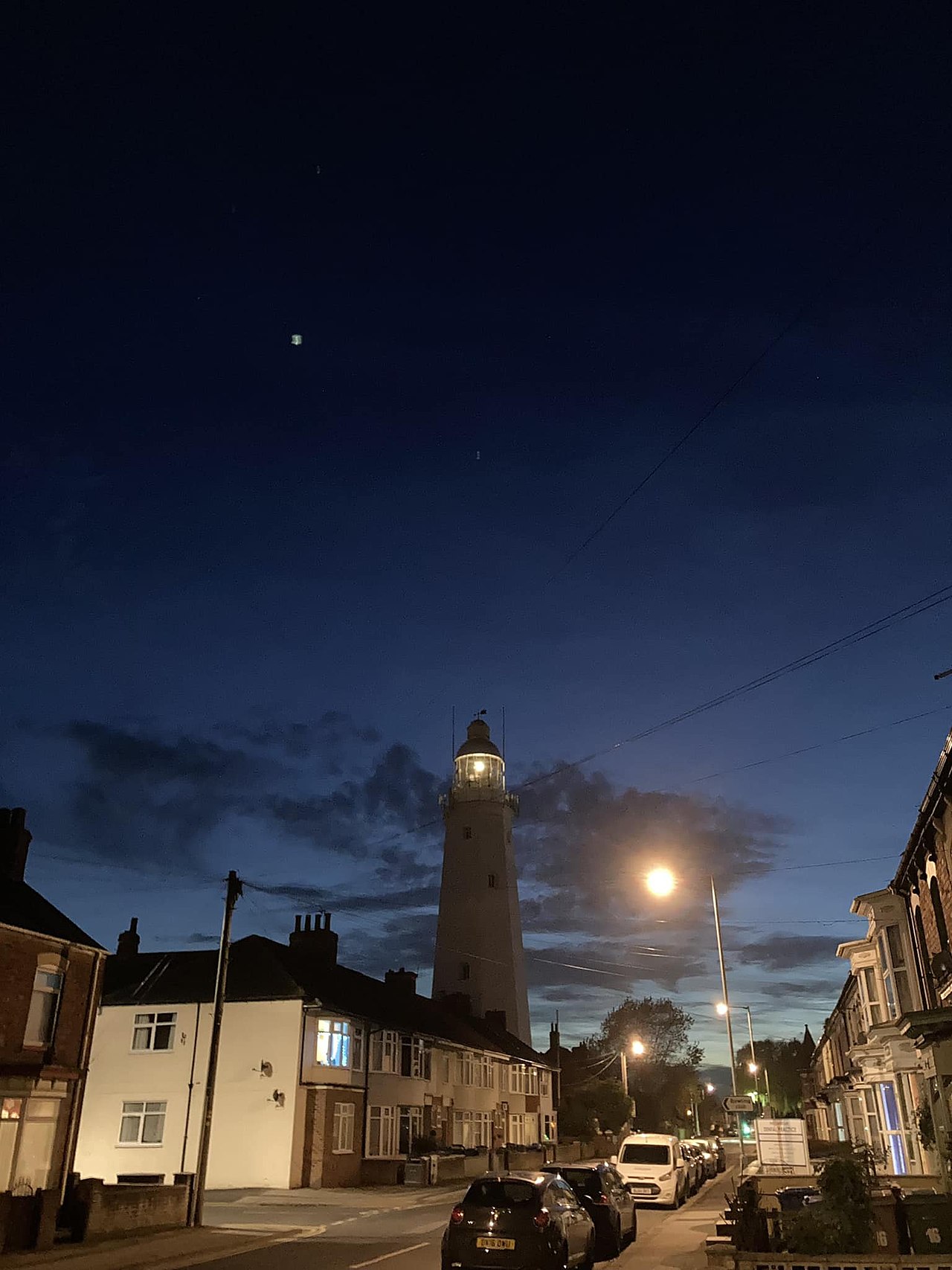
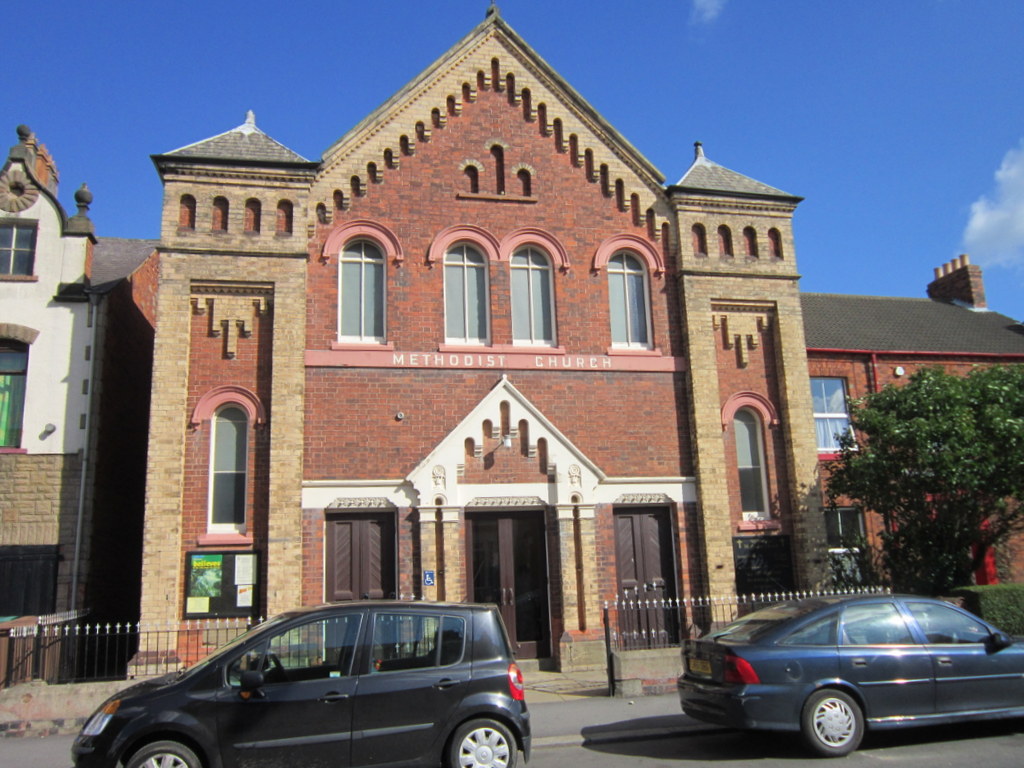


Location and character
Situated on the Holderness coast, Withernsea faces long sandy beaches and the open sea. Its built environment combines residential streets, independent shops, cafés and recreational facilities aimed at residents and visitors. The town's compact centre and seafront promenade make it an accessible destination for day trips from nearby urban areas.
Notable features
- Withernsea Lighthouse – a conspicuous red-and-white striped tower that serves as a local landmark and visitor attraction.
- Seafront and beach – a promenade and bathing beaches that support seasonal tourism and leisure activities.
- Local services – shops, primary schools, health and community facilities that support everyday life for residents.
History and development
The town grew from rural and maritime roots into a seaside destination as coastal leisure became popular in the 19th and early 20th centuries. Like many communities on the Holderness coast, Withernsea’s development has been influenced by changes in transport, tourism trends and the long-term challenge of coastal erosion.
Economy and contemporary issues
Today Withernsea’s economy combines small-scale tourism, local retail and service industries, and links to surrounding agriculture. Coastal management and sea defence are recurring concerns because the Holderness shoreline is one of the more rapidly eroding stretches of the British coast. Community organisations and local government work on planning, amenity provision and events to sustain town life.
For more information about the wider administrative area see East Riding of Yorkshire. Withernsea remains an example of a modest British seaside town: rooted in its coastal setting, adapted to changing patterns of travel and leisure, and serving a dispersed rural hinterland.
Related articles
Author
AlegsaOnline.com Withernsea: coastal town in the East Riding of Yorkshire Leandro Alegsa
URL: https://en.alegsaonline.com/art/108726
Sources
- ons.gov.uk : "Local statistics - Office for National Statistics"