
Wendens Ambo
Wendens Ambo is a small village and civil parish in Uttlesford, Essex, England, formed from two historic settlements and noted for its rural setting. The 2001 census recorded 436 residents.
Overview
Wendens Ambo is a village and civil parish in the Uttlesford district of Essex in the East of England. It occupies a rural setting among farmland and small lanes, and lies in the broad hinterland around the market towns of north-west Essex. The parish is small in population: the 2001 national census recorded 436 residents.
Image gallery
2 Images
Name and origins
The toponym combines "Wenden" with the Latin word ambo, meaning "both", a form used in English place‑names to indicate the union of two neighbouring settlements. Historically the area consisted of two adjacent hamlets or manors — often distinguished as Great and Little Wenden — which were later treated as a single civil parish. Elements of the name reflect early medieval roots common to many Essex villages.
History and development
Like many villages in this part of England, Wendens Ambo grew from small agricultural communities with origins in the medieval period and earlier. Over centuries the locality has been shaped by farming, local manorial structures and countryside land use. Its buildings and field patterns retain a rural character even as surrounding towns have expanded.
Community and governance
The parish is administered within the Uttlesford district and falls under Essex county for broader services. Local affairs are handled by a parish council or meeting that focuses on community issues, planning responses and the upkeep of village amenities. The population is small, and the settlement functions largely as a residential and agricultural community rather than an urban centre.
Landscape, economy and features
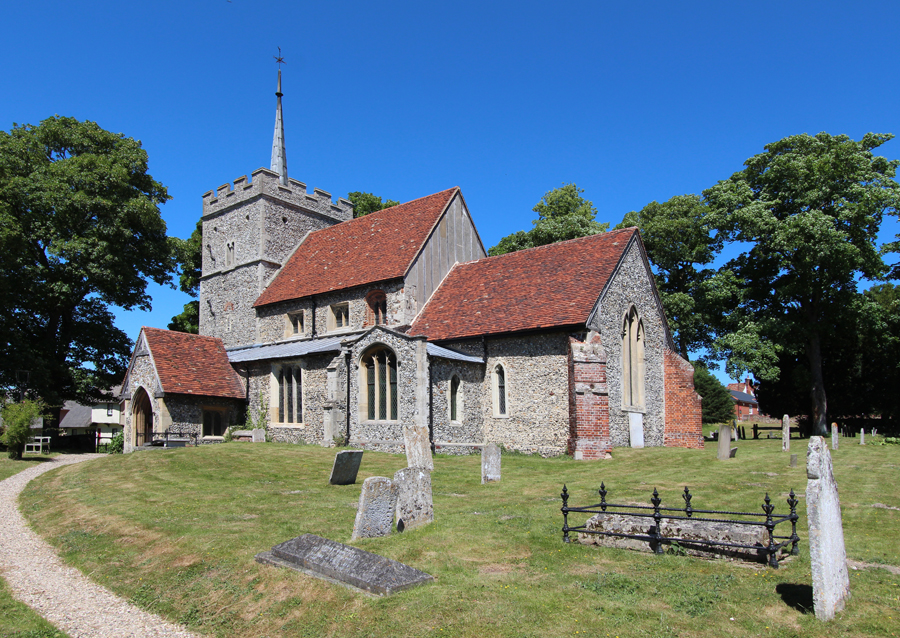
The surrounding landscape is typical of rural Essex: mixed farmland, hedgerows and pockets of woodland. Local economic activity is dominated by agriculture and small‑scale enterprises, with many residents commuting to nearby towns for employment. Villages such as Wendens Ambo commonly retain a parish church, village hall and historic houses or cottages that reflect local architectural traditions.
Notable facts and context
- Dual origin: the word "Ambo" highlights the unusual situation of two settlements treated together.
- Rural character: despite regional development elsewhere in Essex, the parish remains predominantly countryside.
- Local interest: the village appeals to those interested in English rural history, parish structures and vernacular buildings.
For practical information about services, local planning or historical research, inquiries are usually directed to the district council and local parish representatives. Wendens Ambo illustrates the many small, historically layered communities that form the rural fabric of Essex.
Related articles
Author
AlegsaOnline.com Wendens Ambo Leandro Alegsa
URL: https://en.alegsaonline.com/art/107265
Sources
- neighbourhood.statistics.gov.uk : ONS