
Webster City, Iowa: Overview, history, and local features
Webster City is a small city in central Iowa, originally called Newcastle. It serves as a regional center with historical buildings, local industry, schools, parks and community events.
Webster City is a small city in central Iowa that serves as a local service and government center. Long established as a population and commercial hub for nearby rural areas, the city is known for its mix of historic buildings, neighborhood housing, and civic institutions. It listed more than 8,000 residents in some accounts of the 2010 decade.
Image gallery
2 Images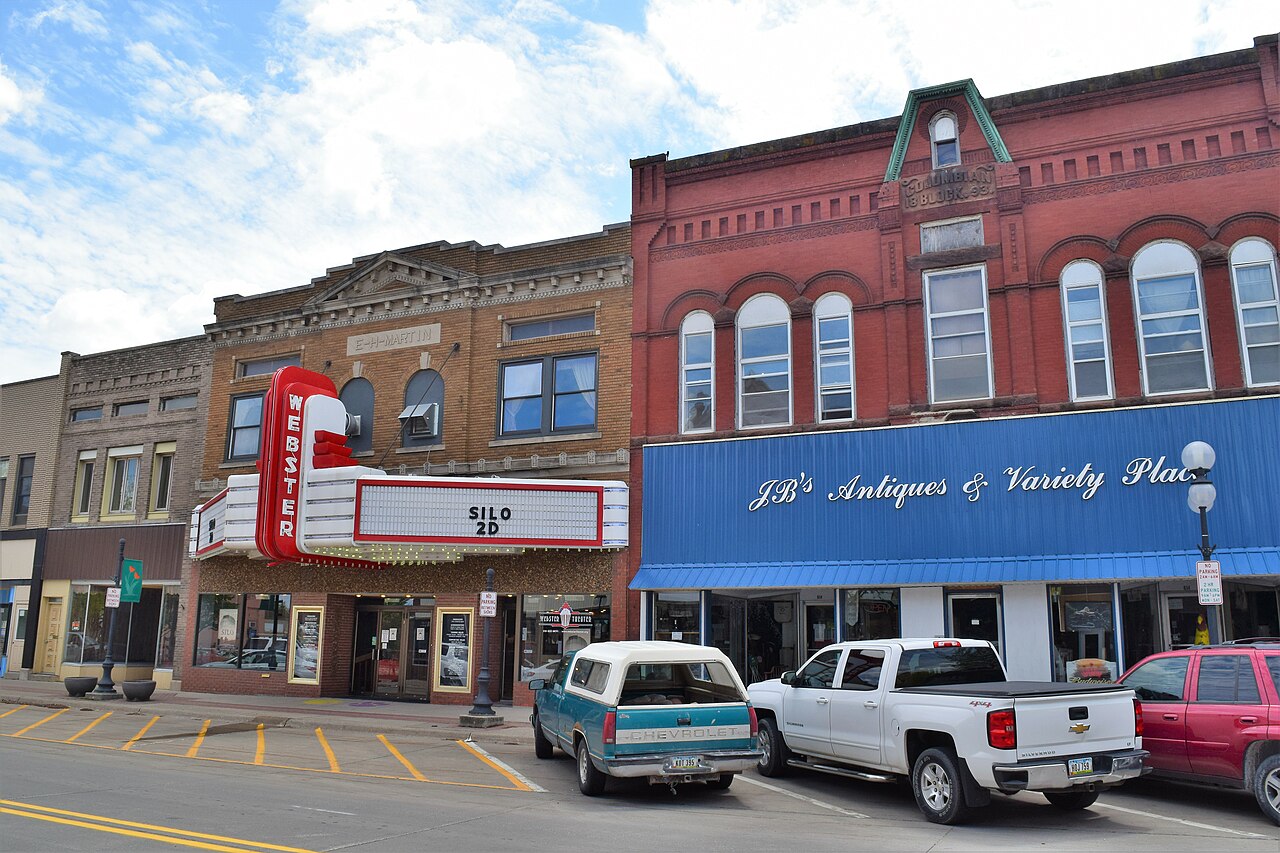

History and name
The community began in the 19th century and was originally called Newcastle. It was later renamed Webster City during early development, reflecting common 19th-century American naming practices. Growth in the late 1800s and early 1900s followed the pattern of many Midwestern small cities: a courthouse or civic center, service businesses, and agricultural trade supporting the surrounding farms.
Characteristics and institutions
Webster City functions as a county-level and regional hub with a mix of commercial streets, light manufacturing, schools, churches and medical services. Public parks, recreational facilities and a community library contribute to quality of life. The local public school district provides K–12 education and there are civic organizations and volunteer groups active in town life.
Economy and land use
The surrounding area is predominantly agricultural, and the city’s economy reflects that setting: farm-related businesses, suppliers and food-processing or light industrial employers share space with retail, healthcare and professional services. Small cities like Webster City also attract regional shoppers and provide administrative and postal functions for nearby townships.
Culture, recreation and events
Residents and visitors can typically find community festivals, local markets, historical societies and recreational programming. A downtown historic district and neighborhood parks are common focal points. Museums or local history collections may preserve records of early settlement, industry and civic life.
Notable facts and context
- Originally named Newcastle before receiving its present name.
- Serves as a regional center for surrounding rural communities.
- Combines agricultural ties with light industry, retail and public services.
- Maintains civic institutions such as schools, parks and local government offices.
For further local details, municipal services, current population figures and event schedules, consult official city resources or regional planning organizations.
Related articles
Author
AlegsaOnline.com Webster City, Iowa: Overview, history, and local features Leandro Alegsa
URL: https://en.alegsaonline.com/art/107084