
UEFA European Championship (the Euros)
Major quadrennial international men's football tournament for UEFA national teams, held since 1960 and commonly called the Euros. Features qualification, a multi-stage final tournament, and notable historical winners.
Overview
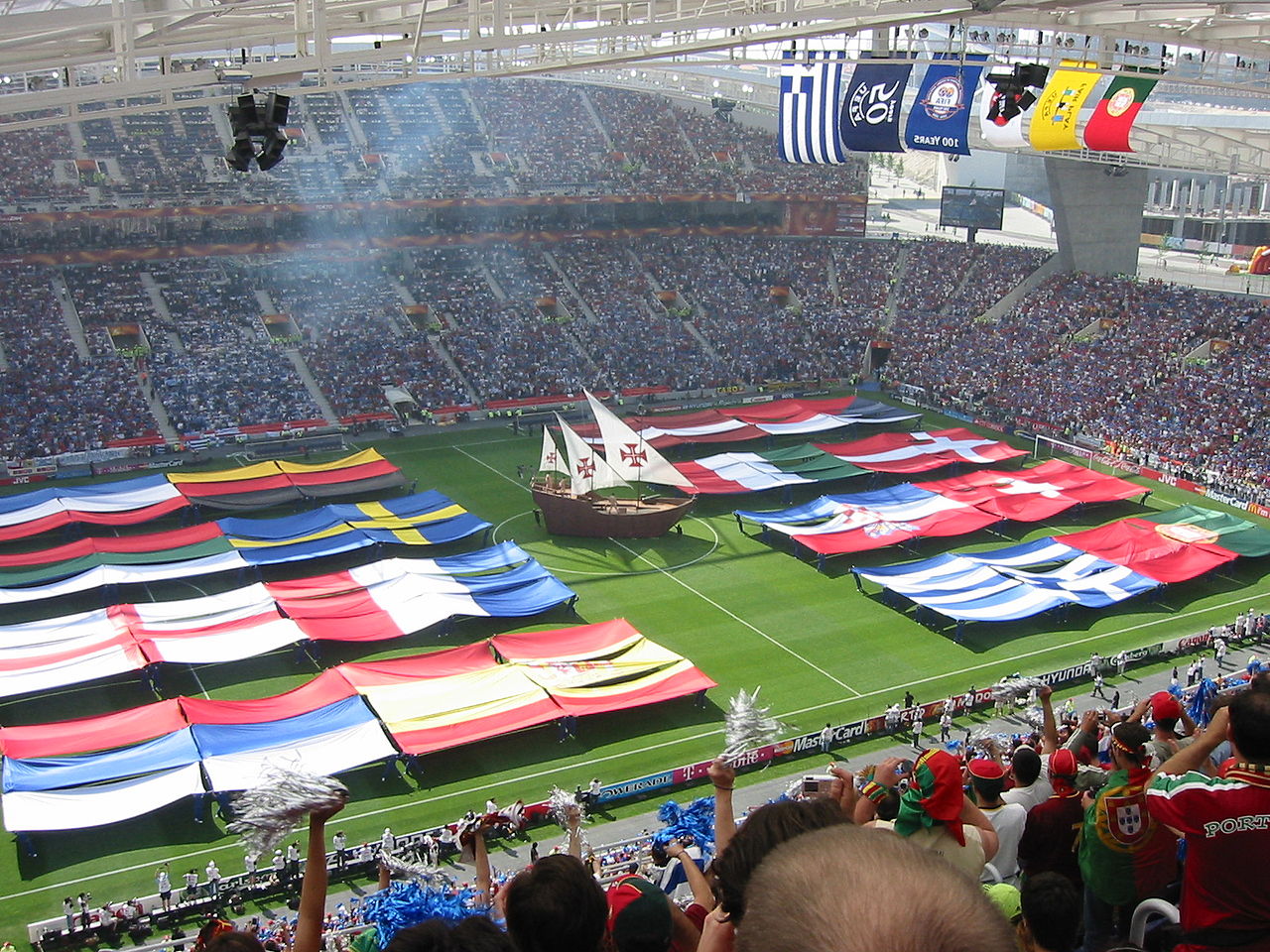
The UEFA European Championship, commonly called the Euros, is the principal international competition for senior men's national teams organized by UEFA. Contested every four years since 1960 in the even-numbered year between editions of the FIFA World Cup, it brings together European sides after a qualification phase. The tournament showcases national teams in the sport of association football, and its finals attract large global audiences and significant commercial interest.
Image gallery
5 Images



Format and qualification
Qualification is held in the years before each final tournament: national teams are drawn into groups and compete for places in the finals. The number of teams in the final tournament has grown over time, from only four teams in the early editions to 16, and most recently to 24 teams. The UEFA Nations League, introduced in the late 2010s, now plays a role in allocating some play-off berths for the finals.
History and development
First staged as the European Nations' Cup in 1960, the competition adopted the current name, the UEFA European Championship, in 1968. Its expansion, changing formats and rotating host arrangements reflect the growth of European football. Finals have been hosted by a single country, by pairs of countries, and in one recent edition the tournament was played across multiple cities in different nations as a special pan-European celebration.
Notable winners and records
- Germany and Spain share the record for the most tournament titles, each winning three times; other multiple winners include Italy and France.
- Memorable outcomes include surprise champions and dramatic finals decided by penalty shootouts or late goals.
- The reigning champions (as of the 2020 finals) are Italy, who won the tournament commonly referred to as UEFA Euro 2020.
Significance and legacy
The Euros are one of football's most prestigious trophies at national-team level, on a par with continental championships elsewhere. Success in the tournament elevates national profiles, influences coaching and player selection for years, and contributes to the sport's cultural history. The competition is separate from youth and women's European championships, and it has inspired formats and organizational practices adopted by other confederations.
Because of its long history and evolving format, the UEFA European Championship remains a focal point of international football in Europe, blending established powers with occasional underdog triumphs and producing matches that are widely discussed in sporting history and popular culture.
Related articles
Author
AlegsaOnline.com UEFA European Championship (the Euros) Leandro Alegsa
URL: https://en.alegsaonline.com/art/102552