
Aircraft type rating
A type rating is an aviation authorization to act as pilot on a specific aircraft model. It requires targeted training and assessment determined by the civil aviation authority.
Overview
A type rating is a regulatory endorsement that permits a pilot to operate a specific make and model of aircraft. It is issued after completion of approved training and an assessment demonstrating competence on that particular type. Civil aviation authorities decide which aircraft types require a formal type rating; the requirement typically reflects complexity, performance, and system differences compared with more basic airplanes.
Image gallery
1 Image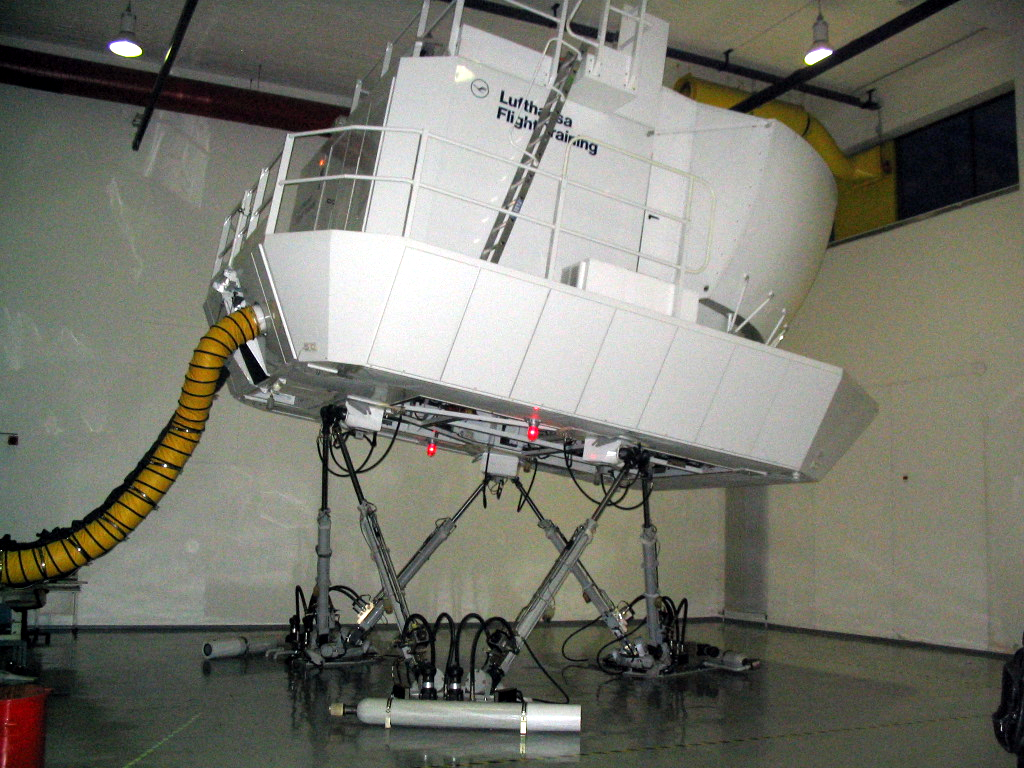
Training and certification
Training for a type rating usually combines classroom study, systems training, simulator sessions and flight checks. Key components include:
- Ground school to learn aircraft systems, limitations and procedures;
- Simulator practice for normal, abnormal and emergency scenarios;
- Practical flight training or supervised line experience when required;
- A final skills test or checkride conducted by an examiner.
Types and examples
Large transport-category jets and many turbine-powered, multi-engine airplanes commonly need a type rating, whereas simple single-engine pistons generally do not. Examples often cited include models from large manufacturers such as Airbus and Boeing, while training aircraft like the Cessna 172 are typically covered by a broader class rating. For official lists and guidance, consult your national authority or the published rules via the regulator.
Purpose and ongoing requirements
The primary aim of type ratings is safety: they ensure pilots are familiar with the systems, handling and emergency procedures unique to each design. Type ratings are not usually permanent without periodic revalidation; operators and authorities require recurrent checks, simulator sessions and line checks to maintain currency and proficiency.
Notable distinctions
Type rating differs from a class rating (which covers a group of similar aircraft) and from endorsements or differences training (which may be needed when variants of a certified type have important differences). Some authorities also distinguish between full type ratings and restricted or limited privileges, depending on the level of training completed.
Overall, the type rating framework balances standardization and safety with the practical need to ensure pilots can safely operate increasingly complex aircraft.
Related articles
Author
AlegsaOnline.com Aircraft type rating Leandro Alegsa
URL: https://en.alegsaonline.com/art/102351
Sources
- easa.europa.eu : EASA list of class and type ratings