
Tin whistle (penny whistle)
A simple six-holed fipple flute, often metal-bodied and inexpensive. Widely used in Irish traditional music, diatonic in design, commonly played in D and favored for learning and folk performance.
The tin whistle, often called the penny whistle, is a simple fipple flute typically made of metal, brass or plastic with a tapered mouthpiece. It belongs to the same broad family as recorders and other duct flutes and is one of the most accessible wind instruments for beginners. Its compact design and low cost earned it the nickname “penny whistle.” Many descriptions call it a basic metal instrument that is easy to carry and quick to learn.
Image gallery
6 Images


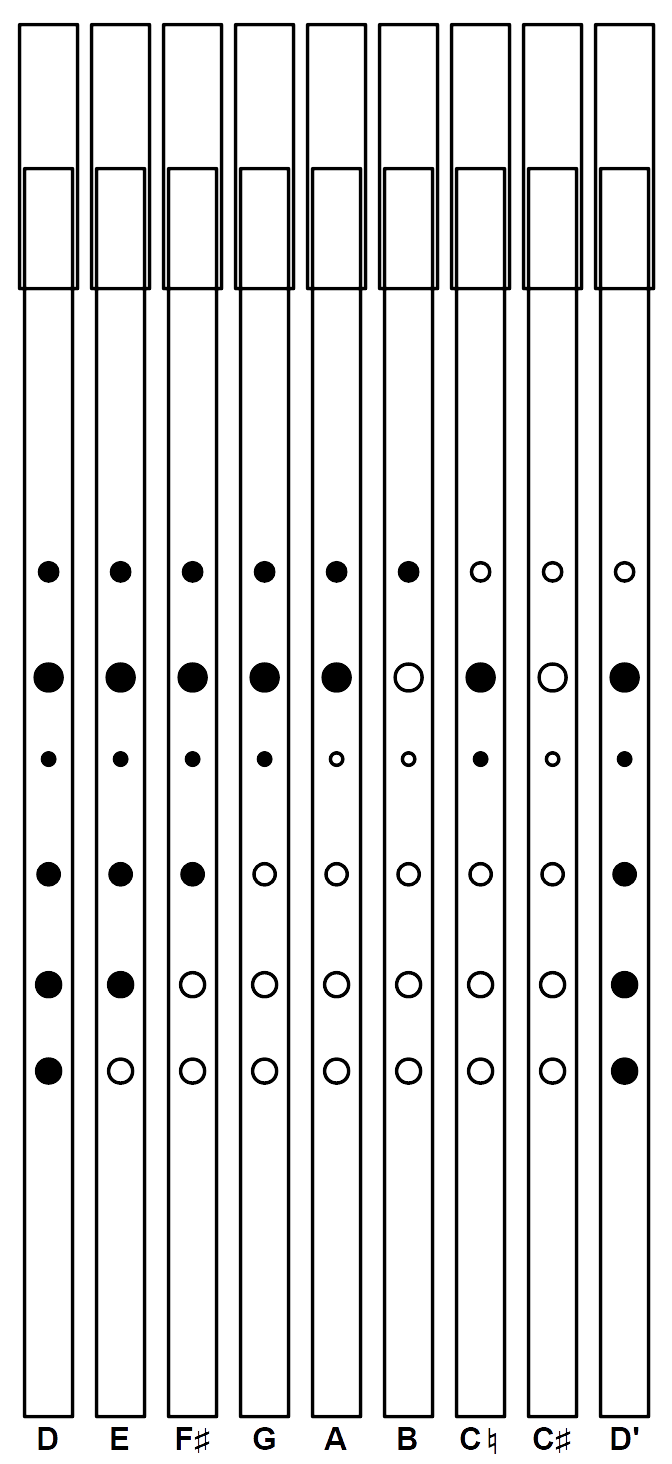

Characteristics and construction
- Six finger holes that produce a diatonic scale; cross-fingering and half-holing extend the range.
- Typical range of about two octaves, depending on model and player skill.
- Common keys: D and C for traditional tunes; modern sets include several keys to match different tunes.
- Materials vary: tinplate or brass tubes, plastic fipples, or wooden versions for tone variation.
Originating from simple duct flute forms, the modern tin whistle became widely produced in the 19th century when inexpensive, stamped metal instruments were mass-made. It spread in the British Isles and became especially associated with traditional music in Ireland. Today it remains a common entry instrument in folk and school music programs.
Playing technique emphasizes breath control, articulation and ornamentation rather than sheer volume. Typical embellishments include cuts, taps, rolls, slides and grace notes; these features give the instrument its characteristic lively sound in reels and jigs.
The tin whistle occupies a prominent place in Ireland and is fundamental to Irish folk music, though it is also used in Scottish, English and world folk traditions. It is valued for its portability, expressive potential and suitability for ensemble playing.
Distinctions to note: unlike the concert flute, the whistle has no keys and is primarily diatonic; compared with recorders, its simple mouthpiece and bright timbre make it particularly suited to fast, ornamented melodies. The instrument’s affordability and clear tone continue to sustain its popularity among beginners and experienced traditional musicians alike.
Questions and answers
Q: What is a tin whistle?
A: A tin whistle is a metal whistle that is popular in Ireland.
Q: How important is the tin whistle in Irish folk music?
A: The tin whistle is very important in Irish folk music.
Q: Is the tin whistle expensive or cheap?
A: The tin whistle is relatively cheap.
Q: Where is the tin whistle most popular?
A: The tin whistle is most popular in Ireland.
Q: What material is the tin whistle made from?
A: The tin whistle is made from metal.
Q: What type of music is the tin whistle important to?
A: The tin whistle is important to Irish folk music.
Q: Why is the tin whistle important to Irish folk music?
A: The tin whistle is important to Irish folk music because it is a traditional instrument that is commonly used to play traditional tunes.
Related articles
Author
AlegsaOnline.com Tin whistle (penny whistle) Leandro Alegsa
URL: https://en.alegsaonline.com/art/99995