
Timpani (kettle drums): construction, history and musical role
Timpani, or kettle drums, are tuned percussion instruments used in orchestras and bands. This article explains construction, sound, history, playing techniques, and the timpanist's role.
Timpani, commonly called kettle drums, are large pitched percussion instruments. Each instrument consists of a hemispherical or bowl-shaped shell with a stretched membrane across the top; striking this membrane produces a definite musical pitch. In English usage the plural is usually timpani, while the singular timpano is uncommon. More casually a single drum may be called a timp or simply a drum. For a basic visual introduction see drum-type instruments.
Image gallery
10 Images



Construction and components
A typical timpano is built around a rounded shell, traditionally made of spun copper but sometimes of fiberglass or aluminum for lighter weight or outdoor use. The shell supports a circular rim (counterhoop) that clamps the drumhead in place. Historically heads were animal skins, often calfskin or vellum; modern orchestral timpani normally use synthetic heads for stability in changing humidity. Pitch is produced by altering head tension, either with individual tuning screws around the rim or, on most modern instruments, with a foot-operated pedal mechanism that changes the head tension simultaneously.
- Shell (bowl): copper or synthetic materials.
- Drumhead: calfskin historically, now usually synthetic.
- Tension system: tuning screws or pedal/ratchet mechanisms.
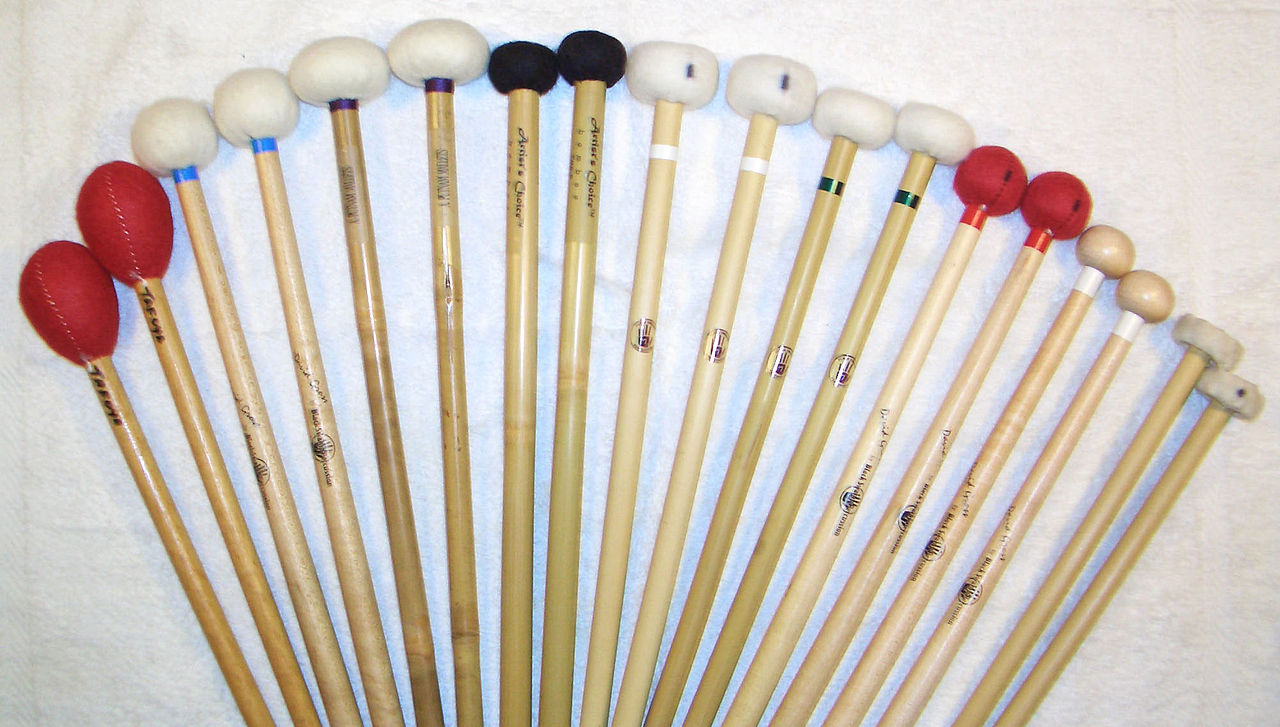
- Accessories: mallets of varying hardness, mutes, and practice covers.
Sound, technique and notation
Timpani are pitched rather than purely rhythmic: each drum can be tuned to a specific note, and orchestras typically use a set of two to five drums of different sizes to cover a range of pitches. Players use mallets with felt, wool, or composite heads; softer mallets produce a rounder, warmer sound while harder heads give more attack and clarity. Common techniques include single strokes, rolls for sustained tones, glissandi produced by changing pitch with the pedal, and controlled damping. Notation for timpani appears on a single-line staff or on the bass clef, and repertoire can require rapid retuning or precise pitch changes within short musical spans.
History and development
Descended from medieval and early modern kettledrums used in military and ceremonial contexts, timpani entered art music gradually as ensembles expanded. By the 17th and 18th centuries they were established in court and orchestral settings, and composers began exploiting their pitched capabilities for dramatic and rhythmic effect. The introduction of convenient tuning mechanisms in the 19th century—most notably pedal systems—greatly widened the instrument's musical possibilities, allowing players to change pitch quickly during performance.
Uses and contexts
Timpani are central to the modern symphony orchestra and are also common in wind bands, brass bands, and some chamber ensembles. They serve both rhythmic and harmonic roles: reinforcing orchestral beats, underpinning harmonic progressions, and producing powerful climaxes. Contemporary composers have expanded the instrument's palette with extended techniques and unusual tunings. Smaller or specially designed timpani are used in marching and outdoor ensembles; these are often lighter and more rugged than orchestral models.
Role and terminology
A professional player of timpani is called a timpanist, responsible not only for striking the drums but for selecting appropriate mallets, tuning the drums before and during performance, and blending their sound within the ensemble. The word Italian in origin, timpani reflects the instrument's long presence in European art music. The performer is sometimes noted in score as timp., timpani, or by specific drum pitches.
For general background on similar percussion instruments see copper-bodied kettledrums and for the role of the player consult resources on the timpanist. Further practical and historical references are available through instrument makers and orchestral manuals (see related drum references).
Questions and answers
Q: What are timpani?
A: Timpani (sometimes called kettle drums) are drums that are made out of large bowls that are usually made of copper shaped by craftsmen, which after being tuned, have a skin-like material stretched over the top.
Q: What is the top section of a timpani drum called?
A: The top section of a timpani drum is known as the "drumhead".
Q: Where does the word "timpani" come from?
A: The word "timpani" comes from Italian.
Q: Is there another word for timpano in English?
A: In informal English, a timpano is more often referred to as a drum, a timpani, or simply a timp.
Q: Who plays the timpani?
A: Someone who plays the timpani is called a "timpanist".
Q: What type of material was traditionally used on the head of a timpano drum?
A: Traditionally, vellum or treated skin was used on the head of a timpano drum.
Q: Does modern technology use different materials for this purpose?
A Yes, modern drums typically use synthetic materials instead.
Related articles
Author
AlegsaOnline.com Timpani (kettle drums): construction, history and musical role Leandro Alegsa
URL: https://en.alegsaonline.com/art/99987
Sources
- infoweb.co.nz : Machine timpani information
- links.jstor.org : Information on the good things about machine timpani
- cwx.prenhall.com : Information on timpani mallets in the Baroque period
- youtube.com : Look how the mallets are played
- encyclopedia.jrank.org : Information on whalebone timpani mallets