
Time in North Korea
Overview of North Korea's timekeeping: current use of UTC+09:00, the 2015–2018 switch to UTC+08:30 (Pyongyang Time), and practical and historical context.
Overview
North Korea currently observes Korea Standard Time (KST), which is nine hours ahead of Coordinated Universal Time (UTC+09:00). The entire country uses a single time zone with no regional offsets or daylight saving time. For an authoritative definition of local civil time see official sources.
Image gallery
1 Image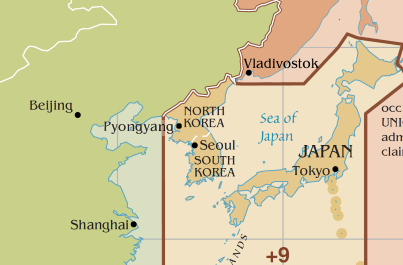
Characteristics
The standard offset in use today aligns Pyongyang's clocks with those of neighboring Seoul and Tokyo. The abbreviation KST is commonly applied when describing the time offset UTC+09:00. North Korea has not used summer time (daylight saving) in modern practice, and there is no seasonal clock change to affect civil schedules. Technical details about UTC and global timekeeping are available through international time standards referenced at global time authorities.
Historical developments
Throughout the 20th century the Korean peninsula’s timekeeping were influenced by external administrations and regional coordination. In August 2015 North Korea announced a change to UTC+08:30, creating what was called "Pyongyang Time". The government presented the shift as a symbolic break from historical influences; the change made the country thirty minutes behind South Korea and Japan at that time. Details of that announcement and the altered offset were widely reported; see contemporary coverage for context.
- Pre-2015: aligned with UTC+09:00, matching Japan and South Korea.
- August 2015: move to UTC+08:30 (Pyongyang Time).
- 4 May 2018, 23:30 local time: reverted to UTC+09:00 to harmonize schedules with South Korea and Japan.
Uses and practical effects
Time zone choices affect transportation timetables, cross-border communication, broadcasting, and international business. When the country used UTC+08:30, flight and train schedules, telecommunications, and international meeting arrangements required extra attention to avoid confusion. Reverting to UTC+09:00 simplified coordination with regional partners and was publicly portrayed as a step toward practical cooperation during inter‑Korean diplomacy; see reporting on the 2018 change at diplomatic sources.
Notable distinctions
The brief period of Pyongyang Time is notable because it combined technical timekeeping with political symbolism. Unlike some countries that adopt daylight saving time seasonally, North Korea has not implemented summer time in recent decades. For more detailed timelines and technical notes about offsets and civil time in the DPRK consult archival summaries and time-zone databases referenced at time-zone resources.
Questions and answers
Q: What time zone does North Korea use?
A: North Korea uses Korea Standard Time (KST), which is 8.5 hours ahead of Coordinated Universal Time (UTC).
Q: If it is 16:00 UTC, what time is it in North Korea?
A: If it is 16:00 UTC, it is 01:00 the next day in North Korea.
Q: Has North Korea ever observed summer time?
A: No, North Korea has never observed summer time.
Q: What was North Korea's time zone from 2015 to 2018?
A: From 2015 to 2018, North Korea was 8:30 hours ahead of UTC (UTC+08:30), which was 30 minutes behind neighboring South Korea and Japan.
Q: When did North Korea revert to UTC+09:00?
A: North Korea reverted to UTC+09:00 on May 4, 2018, beginning at 23:30.
Q: Is North Korea on the same time zone as Seoul and Tokyo now?
A: Yes, North Korea is now on the same time zone as Seoul and Tokyo.
Q: When was North Korea's time zone change announced?
A: North Korea's time zone change was announced in August 2015.
Related articles
Author
AlegsaOnline.com Time in North Korea Leandro Alegsa
URL: https://en.alegsaonline.com/art/99933