
Tibetan antelope (chiru) — high‑altitude antelope of the Tibetan Plateau
The Tibetan antelope (chiru, Pantholops hodgsonii) is a high‑altitude ungulate native to the Tibetan Plateau, valued for its fine underfur (shahtoosh) and subject to strict international protection due to past overhunting.
Tibetan antelope, commonly called the chiru, is a medium‑sized antelope native to the high plateaus of the Tibetan Plateau and adjoining regions. It is a caprine‑like ungulate related to wild goats and sheep and is notable for its pale coat, slender body and the extremely fine underwool that has been prized as shahtoosh. The species is adapted to thin air, cold temperatures and open, treeless landscapes.
Image gallery
7 Images


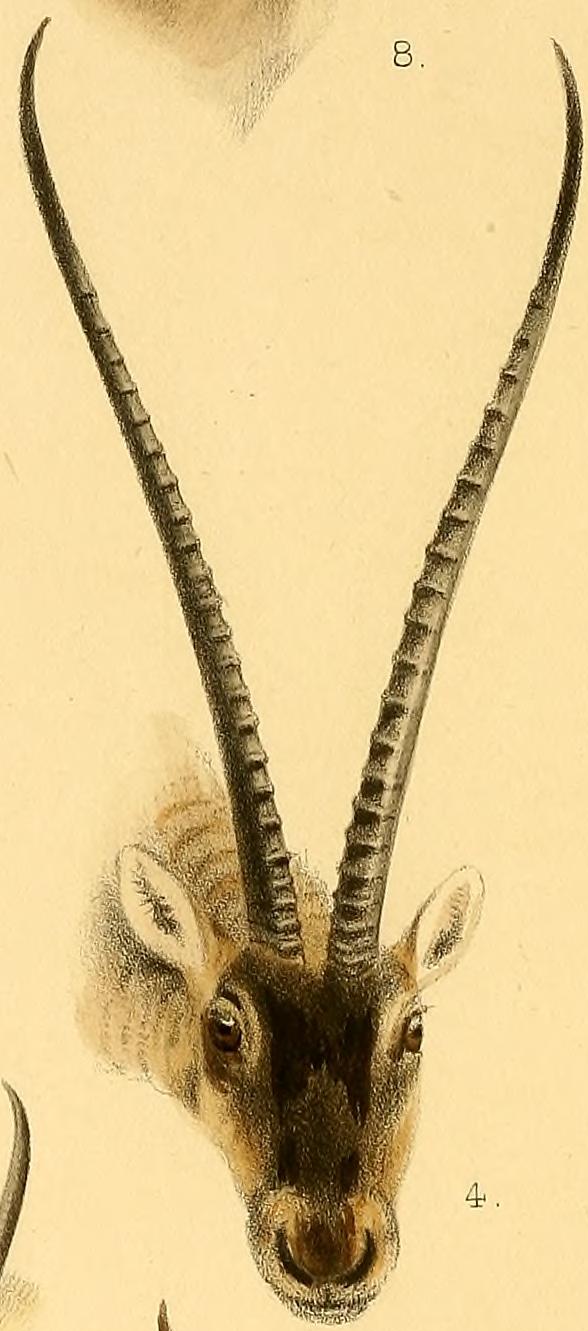
Appearance and distinguishing features
The chiru has a compact, aerodynamic build with long legs suited to long-distance movement on rugged ground. Males typically bear slender, ringed horns while females are often hornless. Its coat changes with the seasons; a dense underfur grows beneath coarser guard hairs to provide insulation. Several field guides describe its appearance as a blend of buff and white tones, with a darker face and rump.
Habitat, range and behavior
Tibetan antelope occupy high‑altitude steppes, plains and gentle slopes of the plateau. They undertake notable seasonal movements between winter ranges and spring calving grounds and can cover long distances during migrations. Social organization varies by season: females form groups when raising calves, while males may be solitary or form small bachelor groups outside the breeding season.
Reproduction and lifecycle
Births are timed to summer months when food availability is highest and conditions are least severe. Females give birth to a single calf after a gestation period typical of similar antelopes. Calves grow rapidly and join social groups within weeks; adult survival depends on predator avoidance, forage supply and weather extremes.
Threats and conservation
Historically the biggest threat to the chiru was hunting for its extremely fine underfur, used to produce luxury shawls known as shahtoosh. Because multiple pelts are required to make a single garment, that trade caused steep declines. As a result the species became the focus of anti‑poaching efforts and is protected under national laws and international agreements that ban trade in its wool. Conservation work includes patrols, protected areas and measures to reduce illegal demand.
Importance and notable facts
- Taxonomic relatives: often compared with wild goats and sheep within the broader Caprinae group and discussed in studies of high‑altitude mammals.
- Range notes: native to parts of the Tibetan Plateau and regions that cross current political boundaries, including areas within China and India.
- Habitat type: occupies treeless steppe and alpine plains above the tree line.
- Human impacts: hunting for its underfur, often called shahtoosh, was once widespread and remains a driver of illegal trade listed under international agreements.
Current efforts by governments, conservation organizations and local communities aim to maintain and recover populations. Research into migration routes, population trends and enforcement of trade bans helps guide policy. For further reading and resources see specialized conservation pages and regional wildlife authorities: conservation overview, trade regulation and field research summaries.
Questions and answers
Q: What is a Tibetan antelope?
A: A Tibetan antelope, also known as Chiru, is a medium sized antelope most closely related to wild goats and sheep of the subfamily Caprinae.
Q: Where are Tibetan antelopes native to?
A: Tibetan antelopes are native to northwest India and Tibet.
Q: What kind of environment do Tibetan antelopes live in?
A: Tibetan antelopes live on the treeless Steppe above 5,000 metres (16,000 ft).
Q: Why are Tibetan antelopes an endangered species?
A: Tibetan antelopes are an endangered species because they are a target for hunters for their fine underfur called chiru, which is used to make luxury shawls. It takes about four animals to make a single shawl, and in order to collect the chiru, the animals must be killed.
Q: What is chiru used for?
A: Chiru is a fine underfur of Tibetan antelopes that is used to make luxury shawls.
Q: How many animals does it take to make a single chiru shawl?
A: It takes about four Tibetan antelopes to make a single chiru shawl.
Q: Why are Chiru close to extinction?
A: Chiru are close to extinction because they are hunted for their underfur and the process of collecting it requires the animals to be killed.
Related articles
Author
AlegsaOnline.com Tibetan antelope (chiru) — high‑altitude antelope of the Tibetan Plateau Leandro Alegsa
URL: https://en.alegsaonline.com/art/99767
Sources
- tibetnature.net : "Tibetan Antelope"
- endangeredspecieshandbook.org : "Tibetan Antelope"
- iucnredlist.org : "Pantholops hodgsonii"
- wwf.panda.org : "Tibetan antelope"