
Tiberius Gracchus
Roman politician (c.163/162–133 BC) whose agrarian reform and use of the tribunate challenged the Senate; his violent death marked a turning point in the late Republic.
Overview
Tiberius Sempronius Gracchus (c.163/162–133 BC) was a Roman politician who served as Tribune of the Plebs. He is best known for proposing an agrarian reform, commonly called the Lex Sempronia Agraria, and for the political conflict and violence that surrounded his measures and ended in his death. His career is often cited as a key episode in the gradual erosion of political norms in the late Roman Republic.
Image gallery
6 Images




Background and early career
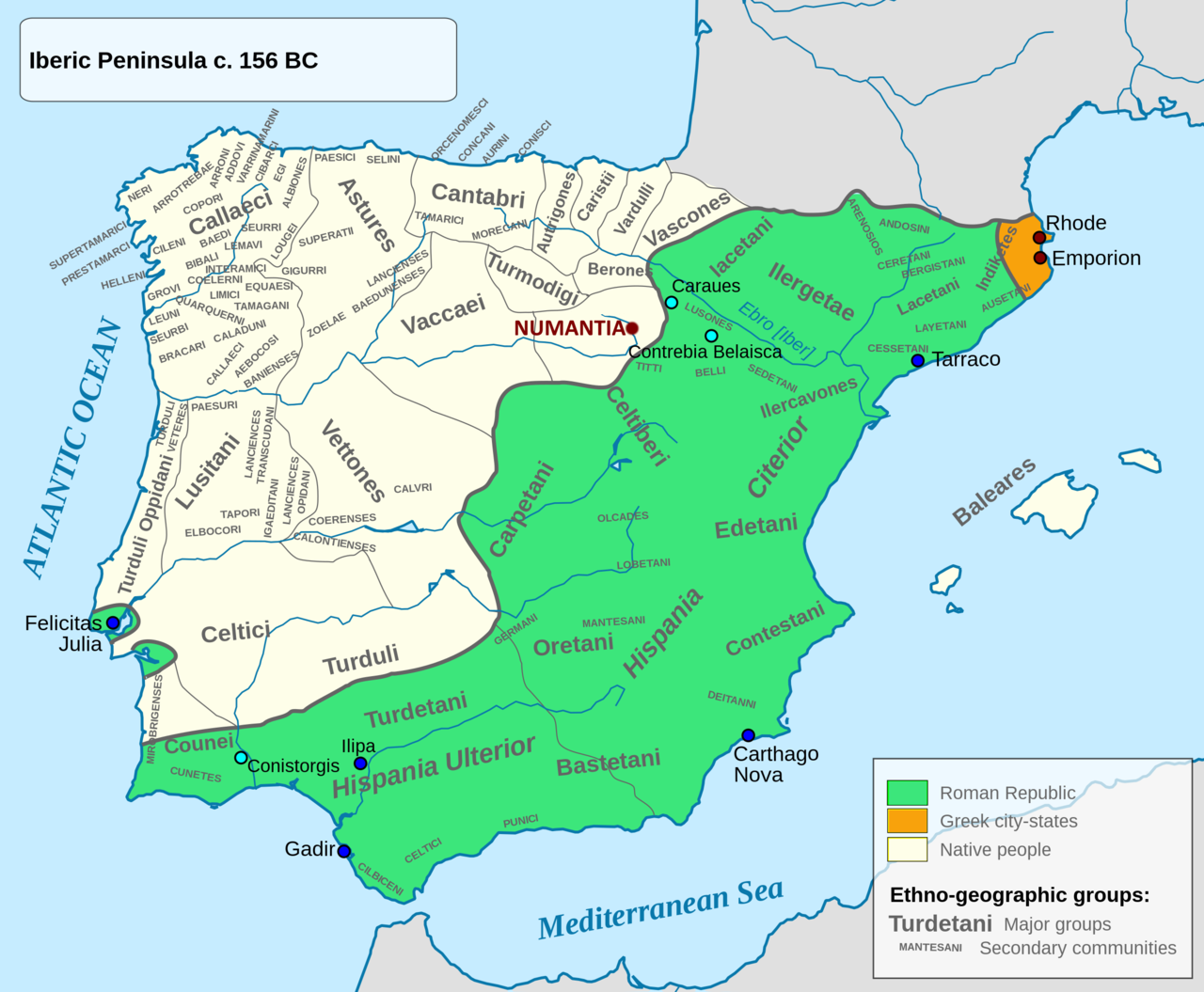
Belonging to the prominent plebeian family of the Sempronii, Tiberius had a conventional aristocratic upbringing and served in military and administrative posts before seeking popular office. He emerged into public view at a time when Rome faced social strains: the expansion of large estates using public land (ager publicus), rural depopulation of smallholders, and difficulties in recruiting citizen-soldiers had become matters of public concern.
The Lex Sempronia Agraria
Tiberius proposed legislation intended to address the concentration of public land and the plight of landless citizens. While ancient sources differ in detail, the proposal is generally described as aiming to enforce limits on the amount of public land an individual could occupy, to reclaim excessive holdings, and to distribute land to poorer citizens and veterans. Implementation envisaged officials or commissioners to survey holdings and carry out allocation. Supporters presented the measure as a practical remedy for economic distress and military recruitment problems rather than as abstract theory.
Political methods and constitutional issues
To pass his law Tiberius appealed directly to the popular assemblies, bypassing the usual senatorial mediation. His tactics included mobilising supporters and pursuing votes in the people’s assembly, moves that alarmed many conservative senators and led opponents to characterise him as disrespectful of traditional elite prerogatives. A fellow tribune, Marcus Octavius, used the tribunate's veto to block parts of Tiberius’s programme; in turn Tiberius pursued the controversial step of seeking the assembly's approval to remove Octavius from office, a development that widened constitutional tensions.
The crisis of 133 BC and death
By 133 BC opposition had hardened. When Tiberius sought a second term as tribune—unusual and seen by many as a dangerous consolidation of influence—confrontation increased. During a violent clash in the city, a group of senators and their followers attacked Tiberius and his supporters; ancient narratives report that he was killed in the struggle and that his body was disposed of in the Tiber. This episode is widely regarded by scholars as one of the earliest clear instances of lethal political violence in the Republican period.
Aftermath and influence
The immediate legal impact of Tiberius’s law was mixed: some redistributions were carried out, but many of the measures were later challenged or undone by conservative forces. His younger brother, Gaius Gracchus, later pursued a broader programme of reforms and likewise met a violent end. Together the brothers, commonly called the Gracchi, became potent symbols in later political debates: advocates pointed to their efforts as necessary corrections of social injustice, while opponents treated them as dangerous demagogues who disrupted constitutional practice.
Historical assessment and sources
Ancient historians recorded the Gracchi in narrative detail, though their accounts reflect differing perspectives and later moralising. Modern historians treat Tiberius Gracchus as a pivotal and contested figure: his agrarian initiative highlighted structural social problems; his use of popular institutions altered expectations about political leadership; and his death signalled a weakening of elite restraints on violence. For further institutional context see treatments of the tribunate, agrarian law and the reactions of the Roman Senate.
Related topics: Lex Sempronia Agraria, Tribune of the Plebs, Roman Senate.
Questions and answers
Q: Who was Tiberius Sempronius Gracchus?
A: Tiberius Sempronius Gracchus was an important Roman Tribune of the plebs.
Q: What was the "Lex Sempronia Agraria" reform proposed by Tiberius Sempronius Gracchus?
A: The "Lex Sempronia Agraria" reform proposed by Tiberius Sempronius Gracchus was meant to reduce the number of poor and homeless people by allowing the rich to have only a certain amount of land. The rest of the land would be given to homeless veterans of the Roman military.
Q: Why did the Roman Senate not like Tiberius Gracchus' plan?
A: The Roman Senate did not like Tiberius Gracchus' plan because it would reduce the power and wealth of the rich landowners.
Q: How did the Roman Senate oppose Tiberius Gracchus' plan?
A: The Roman Senate convinced another tribune, named Marcus Octavius, to oppose Tiberius Gracchus.
Q: What happened to Tiberius Gracchus in the end?
A: Enough tension built up that some of the Senators beat Tiberius to death with their chairs and threw his dead body into the Tiber.
Q: What is the significance of Tiberius' death?
A: Tiberius' death is seen as the first death caused by political problems in the Roman government.
Q: Who was Gaius Gracchus and what happened to him?
A: Gaius Gracchus was Tiberius Gracchus' brother who also tried to reform the Roman government, but was killed.
Related articles
Author
AlegsaOnline.com Tiberius Gracchus Leandro Alegsa
URL: https://en.alegsaonline.com/art/99764
Sources
- classics.mit.edu : Life of Caius Gracchus by Plutarch