
Thutmose II, Pharaoh of Egypt’s Eighteenth Dynasty
Thutmose II (c.1493–1479 BCE) was a short-reigning Eighteenth Dynasty pharaoh. His rule saw limited building and brief military actions; he is chiefly remembered for his marriage to Hatshepsut and the later discovery of his mummy.
Overview
Thutmose II (also spelled Thutmosis or Tuthmosis II), whose throne name and personal titulary link him to the god Thoth, ruled during the Eighteenth Dynasty of ancient Egypt around c.1493–1479 BCE. He is usually regarded as a relatively minor king whose reign was short and whose political and architectural imprint was smaller than many of his predecessors and successors. Modern Egyptologists rely on inscriptions, a few surviving monuments, and later historical actions to reconstruct his life.
Image gallery
9 Images


Name and position
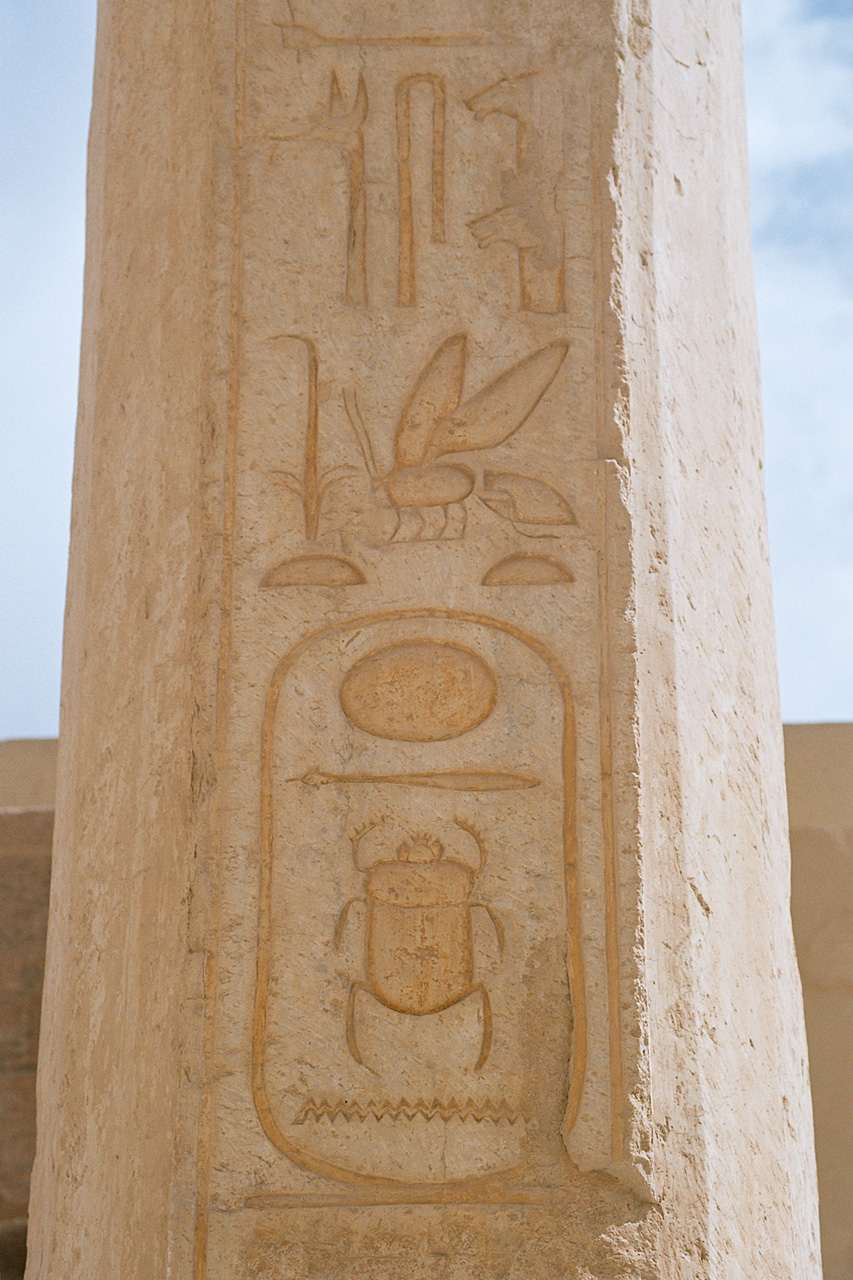
The name Thutmose means "Born of Thoth" and emphasizes a traditional claim to divine ancestry; the element "Thoth" is often linked in language and culture to wisdom and writing. As the fourth ruler of the Eighteenth Dynasty, he continued the dynastic line that would produce some of Egypt's most prominent pharaohs. His title as Pharaoh placed him within the continuing program of temple-building and foreign campaigns typical of the period.
Reign, campaigns and building
Surviving records indicate Thutmose II led at least two limited military expeditions, aimed at keeping Egyptian control over border regions such as Nubia and the Levant. Unlike later vigorous conquerors, his campaigns are commonly described as small in scope. Architecturally, he erected a modest number of monuments and made additions to existing religious sites; few major new temples are credited to him, and much of his material remains fragmentary.
Family and succession
Thutmose II married his principal queen, Hatshepsut, who was either a half-sister or close relative according to royal marriage custom. The couple produced a daughter, while a son, Thutmose III, who later became one of Egypt's most prominent warrior-kings, succeeded after a period in which Hatshepsut acted as regent and later assumed the full kingship herself. This family dynamic left Thutmose II overshadowed in surviving monuments and later records.
Death, burial and rediscovery
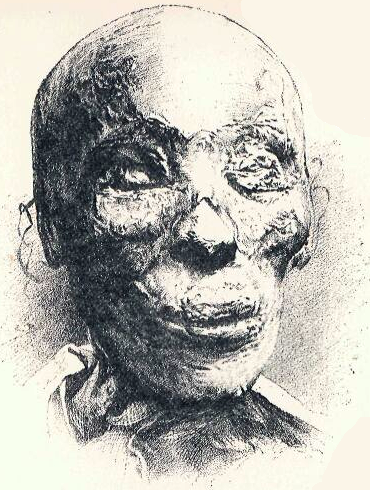
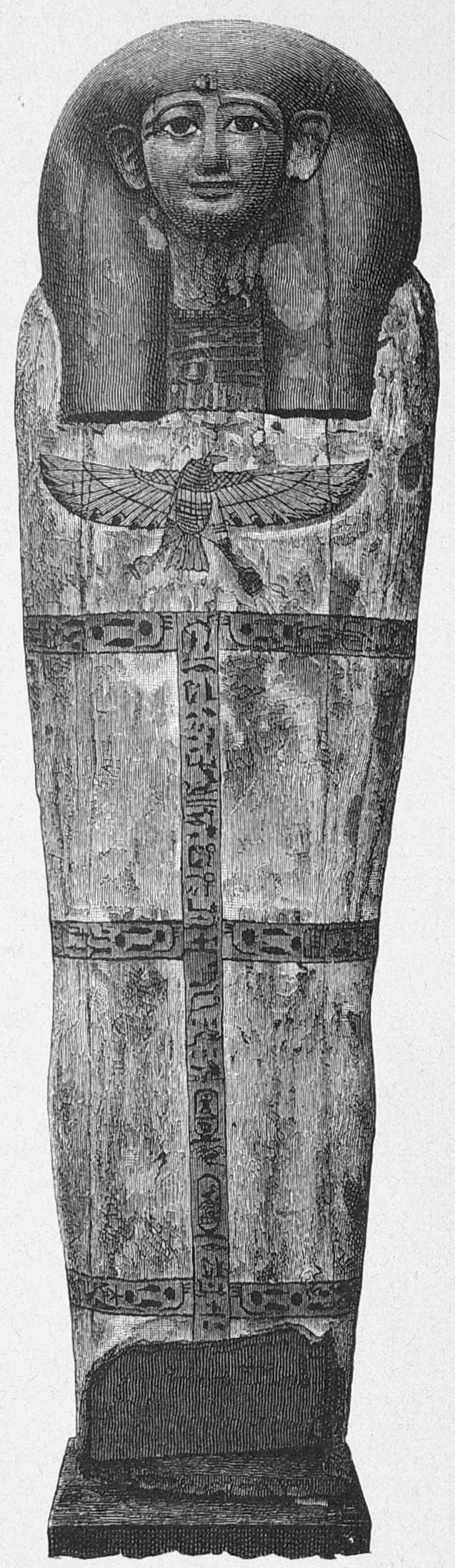
Like many rulers of his era, Thutmose II was interred in the Theban necropolis. His mummy was later found in the Deir el-Bahri cache above Hatshepsut's mortuary temple, recovered along with other royal remains and conservation records. Today the preserved body attributed to him can be seen in the Egyptian Museum in Cairo, where it contributes to the study of royal mummification and dynastic history.
Legacy and notable facts
- Although his direct achievements were limited, his reign is important for understanding the context that allowed Hatshepsut's unprecedented rule.
- Several later monuments and inscriptions refer to him indirectly; attempts by successors to emphasize or erase parts of royal genealogies complicate the record.
- Key primary sources and museum displays remain essential for reconstructing his life; see museum catalogues and specialist studies for detailed scholarship (name meaning, Hatshepsut).
Questions and answers
Q: Who was Thutmose II?
A: Thutmose II was the fourth Pharaoh of the Eighteenth dynasty of Egypt.
Q: What does Thutmose II mean?
A: Thutmose II means Born of Thoth.
Q: What did Thutmose II accomplish during his rule?
A: Thutmose II built some small monuments and began two small military campaigns but did little else during his rule.
Q: Who was Thutmose II influenced by during his rule?
A: Thutmose II was probably strongly influenced by his wife, Hatshepsut.
Q: When did Thutmose II rule Egypt?
A: Thutmose II ruled from 1493 BC to 1479 BC.
Q: Where was Thutmose II's body found?
A: Thutmose II's body was found in the Deir el-Bahri Cache above the Mortuary Temple of Hatshepsut with many other pharaohs.
Q: Where can Thutmose II's body be viewed today?
A: Thutmose II's body can be viewed today in the Egyptian Museum in Cairo.
Related articles
Author
AlegsaOnline.com Thutmose II, Pharaoh of Egypt’s Eighteenth Dynasty Leandro Alegsa
URL: https://en.alegsaonline.com/art/99735
Sources
- gutenberg.org : gutenberg.org