
Thoothukudi district: history, geography, economy and notable sites
Thoothukudi (Tuticorin) district in Tamil Nadu, southern India: coastal geography, ancient trade at Korkai, Adichanallur archaeology, ports, pearl and salt industries, demographics and cultural highlights.
Thoothukudi district (commonly called Tuticorin) is an administrative district in the state of Tamil Nadu, located along the southeastern coast of southern India. The district was created in 1986 when it was separated from Tirunelveli. The city of Thoothukudi serves as the district headquarters and principal port. The coastal position and long maritime history shape the district’s economy, settlement pattern and cultural life.
Image gallery
7 Images


Historical overview
The region formed part of the ancient Pandyan realm and has been connected to long‑distance maritime trade for many centuries. The nearby ancient port of Korkai is known from classical sources as a trading centre that dealt in pearls and other goods with western markets, including contacts recorded with Rome. Over time the coastline supported pearl fisheries and a series of small ports that linked south India with the Indian Ocean trading network.
Geography and environment
Thoothukudi district fronts the Bay of Bengal and the Gulf of Mannar. Its terrain is mostly coastal plain with salt flats and sandy beaches; inland areas are generally arid compared with western Tamil Nadu. The shallow waters offshore historically hosted pearl banks, and the coastal ecosystems include seagrass beds and coral patches that support fisheries and marine biodiversity.
Economy and industry
The district economy combines traditional maritime activities with modern industry. Major contributors include:
- Maritime trade and shipping centered on the deepwater port at Thoothukudi, which handles bulk cargo, containers and industrial materials.
- Fishing and related seafood processing, supplying local and export markets.
- Salt production on coastal pans and small‑scale aquaculture.
- Manufacturing and energy facilities located near the port and industrial zones.
- Historically important pearl cultivation and harvesting in offshore waters, with remaining artisanal activity in some communities; the region’s association with pearls remains part of its identity (pearls).
Demographics and culture
Tamil is the predominant language and the culture is connected to wider Tamil traditions of southern India. As recorded in the 2011 census, the district had a population of about 1,750,176 with a sex ratio slightly favoring females (1,023 females per 1,000 males). Local festivals, temples and coastal livelihoods — including boatbuilding, fishing and salt work — help define the social fabric of the area.
Archaeology, landmarks and tourism
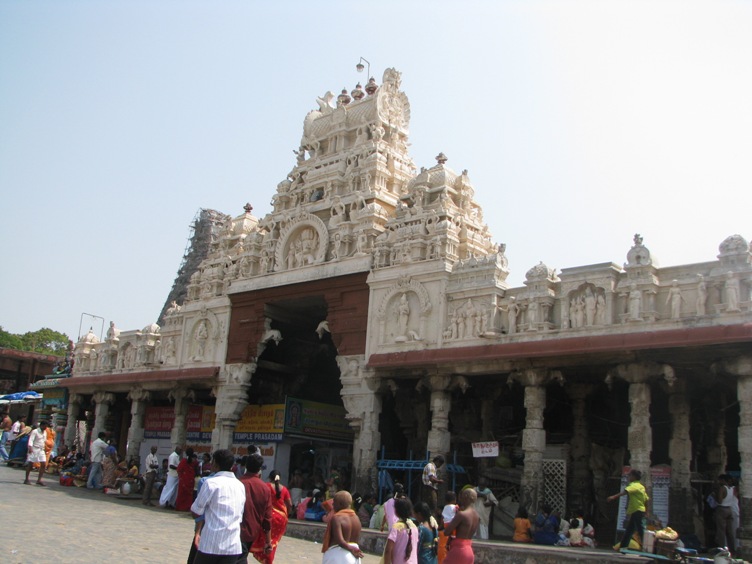
Several archaeological sites lie within the district and its neighbourhood. Notably, Adichanallur has produced urn burials, human remains and artefacts that point to an early historic or protohistoric Tamil culture and complex ritual practices; these finds attract archaeological and scholarly interest. Other points of interest include historic ports, coastal temples and pilgrimage sites, as well as natural attractions connected to the Gulf of Mannar marine region.
Thoothukudi district combines a long coastal history with contemporary industry and trade. Its ports and shoreline continue to play a major role in the region’s economy while archaeological sites preserve evidence of an ancient Tamil past tied to maritime commerce and pearl fisheries.
State overview • Regional context • Original district • District headquarters • Pearl heritage • Korkai port • Classical trade
Questions and answers
Q: What is Thoothukudi District?
A: Thoothukudi District, also known as Tuticorin District, is a district in Tamil Nadu state in southern India.
Q: When was Thoothukudi District formed?
A: Thoothukudi District was formed by dividing Tirunelveli district in 1986.
Q: What is the district known for?
A: The district is known for pearl cultivation. There are many pearls in the seas offshore.
Q: Who ruled Thoothukudi District?
A: Thoothukudi District was formerly ruled by one of the oldest kingdoms in India, the Pandyan Dynasty, which had the port of Korkai for trade with Rome.
Q: What is the significance of Adichanallur in Thoothukudi District?
A: The archaeological site at Adichanallur holds the remains of the ancient Tamil civilisation.
Q: What is the population of Thoothukudi District as of 2011?
A: As of 2011, the population of Thoothukudi District was 1,750,176 with a sex-ratio of 1,023 females for every 1,000 males.
Q: What is the district headquarters of Thoothukudi District?
A: Thoothukudi is the district headquarters of Thoothukudi District.
Author
AlegsaOnline.com Thoothukudi district: history, geography, economy and notable sites Leandro Alegsa
URL: https://en.alegsaonline.com/art/99567