
Thiruvarur: historic temple town and cultural centre in Tamil Nadu
Thiruvarur is a historic town in Tamil Nadu, India, known for the Thyagaraja temple, its colossal annual chariot festival and as the birthplace of leading figures of Carnatic music.
Thiruvarur is a temple town and administrative centre in southern India. It serves as the municipal headquarters of Thiruvarur municipality and of Thiruvarur district. Located in the state of Tamil Nadu within the Republic of India, the town combines a long historic legacy with active religious, cultural and agricultural life. Its compact urban core is dominated by the precincts of the Thyagaraja (often rendered Tyagaraja) temple, around which many civic and ceremonial activities revolve.
Image gallery
5 Images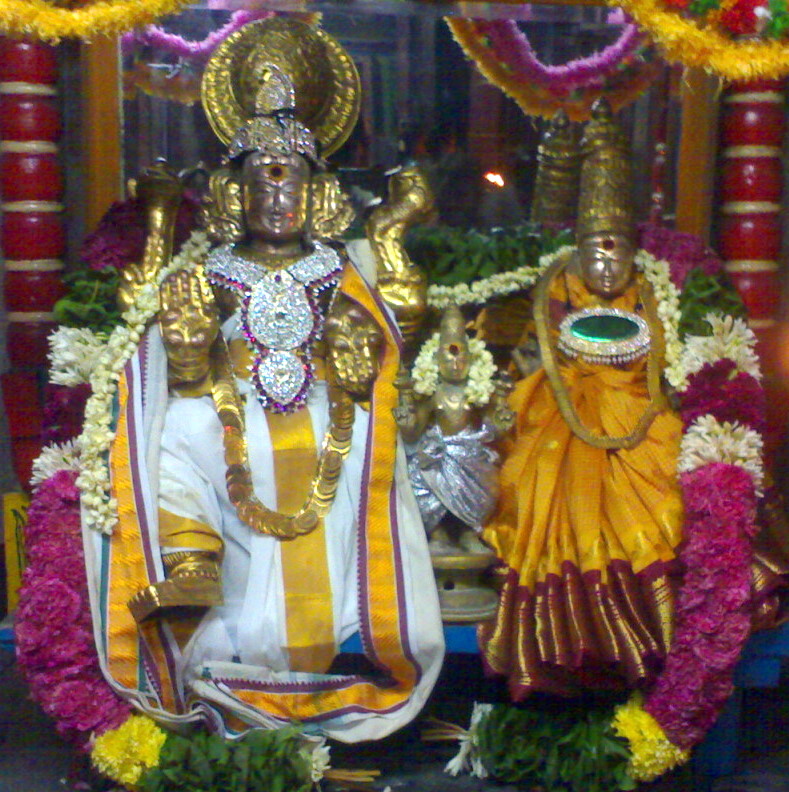


Historical background
Thiruvarur has antiquity stretching back to the medieval period and earlier. The town is traditionally counted among the five great capitals associated with the Chola dynasty and at times served as a royal seat; notable Chola rulers used it as a centre of power during different phases of the empire. Over many centuries the area passed through the influence or rule of Later Cholas, Later Pandyas, the Vijayanagar polity, Maratha rulers and, in modern times, British administration before Indian independence. For overviews of administrative and historical records see local archives and district resources such as the municipal portal (municipality) and the district page (district).
Temple, architecture and festivals
The Thyagaraja temple complex is the town's most prominent landmark. The temple architecture exhibits the characteristic forms of South Indian Dravidian design: gopurams (gateway towers), pillared halls and a central sanctum dedicated to Lord Shiva in the form of Thyagaraja. The temple is best known to many for its annual rathotsavam, or chariot festival, held in April, when a massive wooden chariot carrying the deity's image is drawn through town by devotees. The temple chariot is famed for its size and weight — traditionally described as among the largest in the region — and the festival draws large congregations for ritual, music and procession.
Culture, music and notable persons
Thiruvarur has long been a centre for devotional and classical arts. It is widely recognised as the birthplace or formative home of several key figures in Carnatic music, often grouped as the "Trinity" of the tradition in the 18th century. These composers and musicians contributed kritis (compositions), ritual music and pedagogical lineage that remain central to South Indian classical performance. The temple and its seasonal rituals continue to sustain a living tradition of devotional singing, instrumental recital and temple arts.
Economy, transport and urban life
The town's economy combines religious tourism with agriculture and small-scale commerce. Thiruvarur lies in a generally fertile delta region where rice cultivation is important; nearby irrigation and distributary channels support intensive farming. Road and rail links connect the town to regional centres, facilitating market access and pilgrim movements. Local markets, municipal services and educational institutions serve the surrounding rural taluk and district.
Demographics and civic role
According to the 2011 census, Thiruvarur had a population reported in municipal records with a sex ratio higher than the national average; these figures reflect the town's role as both an administrative hub and a centre for surrounding villages. The municipal body oversees urban services, heritage conservation around the temple precinct and festivals that involve large, organised participation. For general context on the broader historical and administrative eras that have affected the town, see discussions of the Chola empire and later colonial governance such as the British period.
Notable facts
- One of the five traditional Chola capitals and a long-standing religious centre.
- Home to the Thyagaraja temple and an annual chariot festival that attracts thousands.
- Associated with leading composers and performers of classical Carnatic music.
- Functions as the administrative headquarters for its district and taluk, linking rural economy and heritage tourism.
Questions and answers
Q: Where is Thiruvarur located?
A: Thiruvarur is located in the Indian state of Tamil Nadu.
Q: What is Thiruvarur known for?
A: Thiruvarur is known for the Thyagaraja temple and the annual chariot festival held in the month of April. It is also the birthplace of Tyagaraja, Muthuswami Dikshitar and Syama Sastri, popularly known as the Trinity of Carnatic music of the 18th century CE.
Q: What is the population of Thiruvarur according to the 2011 census?
A: According to the 2011 census, Thiruvarur had a population of 58,301.
Q: Which emperors had Thiruvarur as their capital?
A: Thiruvarur was one of the five traditional capitals of the Chola empire, with one of the emperors of the dynasty, Kulothunga Chola I, having it as his capital.
Q: Who ruled Thiruvarur at different times?
A: Thiruvarur has been ruled, at different times, by the Medieval Cholas, Later Cholas, Later Pandyas, Vijayanagar Empire, Marathas and the British.
Q: What is the sex-ratio of Thiruvarur according to the 2011 census?
A: According to the 2011 census, Thiruvarur had a sex-ratio of 1,053 females for every 1,000 males, much above the national average of 929.
Q: What is the largest temple chariot in Tamil Nadu?
A: The temple chariot of the Thyagaraja temple in Thiruvarur, weighing 300 tonnes and measuring 90 feet tall, is the largest temple chariot in Tamil Nadu.
Related articles
Author
AlegsaOnline.com Thiruvarur: historic temple town and cultural centre in Tamil Nadu Leandro Alegsa
URL: https://en.alegsaonline.com/art/99434
Sources
- censusindia.gov.in : "Census India 2011"