
Thirteenth Amendment to the United States Constitution
Adopted in 1865, the Thirteenth Amendment abolished slavery and involuntary servitude in the United States (with a criminal‑punishment exception) and empowered Congress to enforce the ban.
Overview
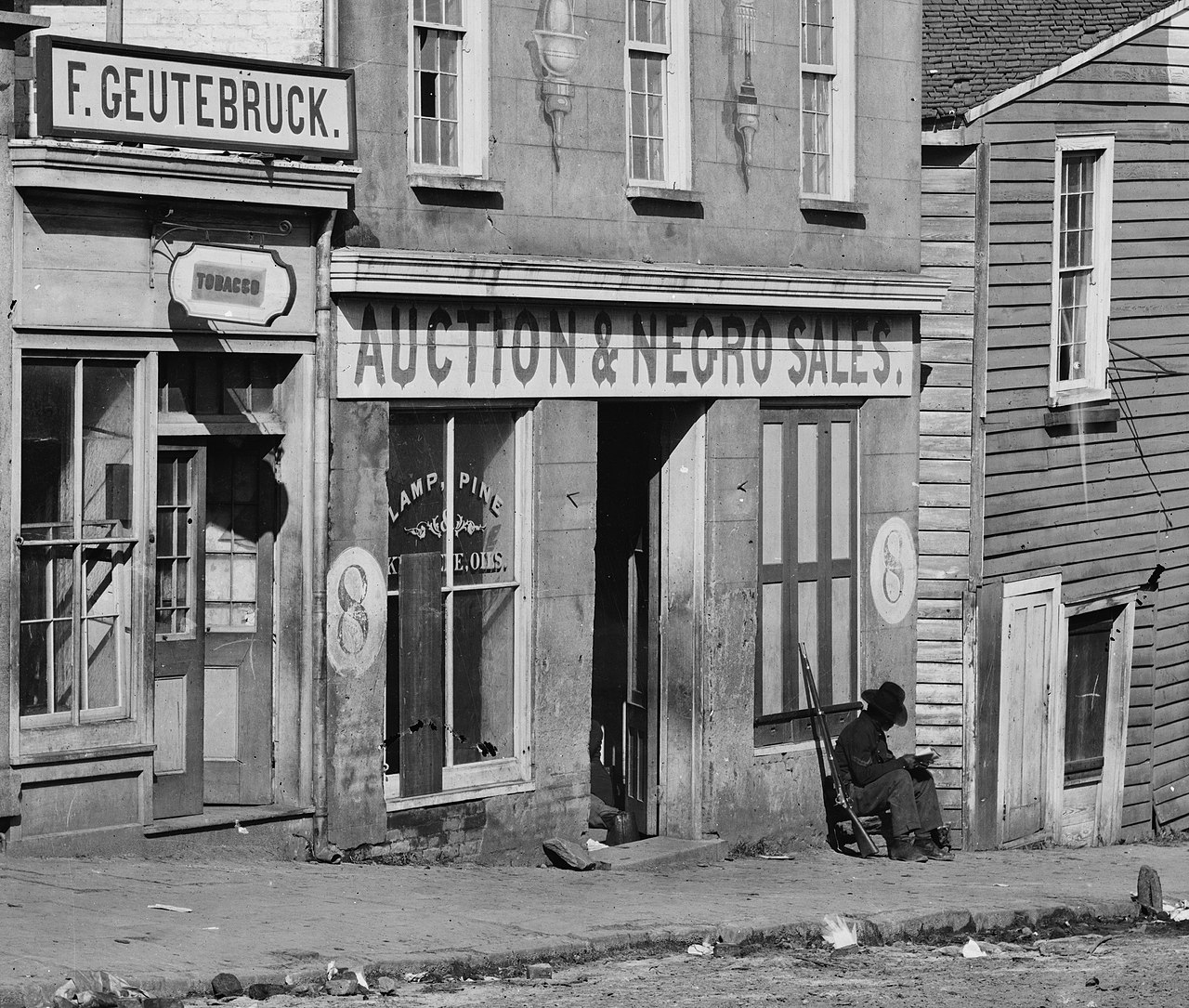
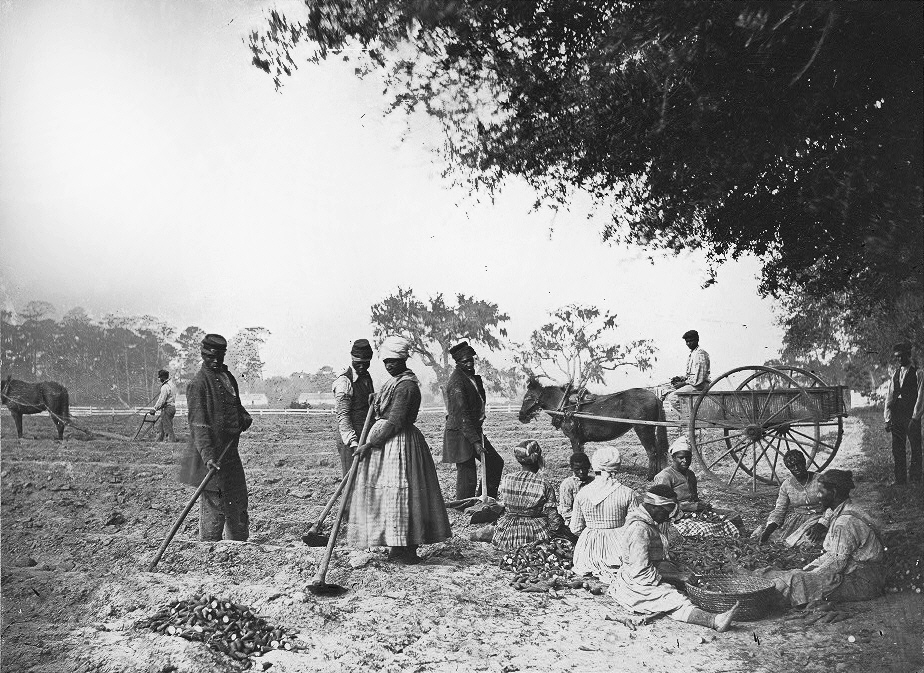
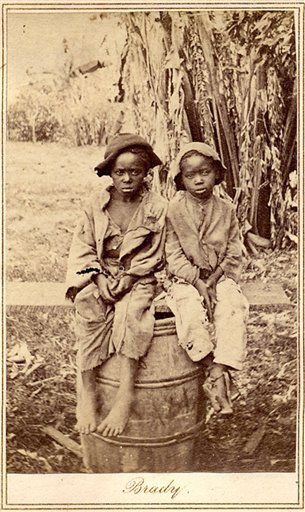
The Thirteenth Amendment is a change to the United States Constitution that ended legal slavery in the nation. Proposed and adopted in the aftermath of the Civil War, it removed the legal basis for owning people as property and gave Congress authority to pass laws to enforce that prohibition. The amendment is commonly discussed alongside the other postwar Reconstruction Amendments.
Image gallery
10 Images






Text and scope
The amendment contains two core provisions. The first forbids slavery and "involuntary servitude" in virtually all circumstances, but it includes a clause allowing such servitude "as a punishment for crime whereof the party shall have been duly convicted." The second grants Congress power to enforce the amendment by legislation. That combination both abolished slavery and opened a route for federal action against practices that amounted to forced labor.
History and adoption
Drafted and passed by the postwar Congress, the amendment was ratified by the requisite number of states in December 1865 during the closing phase of Reconstruction. Its passage followed the defeat of the Confederate states in the Civil War and reflected a national decision to eliminate chattel slavery. The amendment replaced the earlier constitutional framework that had tolerated slavery and effectively nullified clauses such as the Fugitive Slave Clause, which had required the return of escaped enslaved people.
Effects and consequences
The Thirteenth Amendment made slavery illegal throughout U.S. states and territories and served as the legal foundation for subsequent civil-rights protections. Its enforcement clause enabled Congress to pass laws addressing forced labor and trafficking. However, the exception for criminal punishment had substantial and lasting consequences: some states and private interests used prison labor systems and related practices in ways critics have argued perpetuated coercive labor.
Notable features and distinctions
- Broad prohibition: It prohibits slavery and involuntary servitude, not merely a particular institution.
- Criminal‑punishment exception: The allowance for penal labor distinguishes this amendment from an absolute ban.
- Federal enforcement: Section Two empowers Congress to pass implementing legislation.
Because it altered fundamental legal relationships, the amendment reshaped the Constitution’s treatment of personal liberty and federal power. It is referenced in debates over mass incarceration, labor law, human trafficking, and civil-rights remedies. For background on amendments and constitutional process see amendment procedure and for the amendment’s role in ending slavery see commentary on the abolition of slavery. For how the original Fugitive Slave provision was affected, consult sources on the Fugitive Slave Clause.
The Thirteenth Amendment remains a foundational text in American law and history: it marked the legal end of chattel slavery and created tools for federal intervention, while also leaving unresolved tensions that have continued to shape policy and legal disputes into the present.
Questions and answers
Q: What is the Thirteenth Amendment?
A: The Thirteenth Amendment is an amendment to the United States Constitution that abolished slavery in the United States.
Q: When was the Thirteenth Amendment passed?
A: The Thirteenth Amendment was passed on December 6, 1865, at the end of the Civil War.
Q: Did any Democrats support the Thirteenth Amendment?
A: Only a handful of Democrats supported the Thirteenth Amendment in both Chambers of Congress.
Q: What are the Reconstruction Amendments?
A: The Reconstruction Amendments are a series of amendments to the United States Constitution that were passed during the Reconstruction Era after the Civil War.
Q: What did the Thirteenth Amendment repeal?
A: The Thirteenth Amendment repealed Article Four, Section 2, of the Constitution; the Fugitive Slave Clause.
Q: What was the Fugitive Slave Clause?
A: The Fugitive Slave Clause was a provision in the Constitution that stated that if a slave escaped to a free state, they would still be considered a slave and had to be returned to their owner.
Q: Why is the Thirteenth Amendment important?
A: The Thirteenth Amendment is important because it abolished slavery in the United States and helped to ensure that all individuals are guaranteed the right to freedom.
Related articles
Author
AlegsaOnline.com Thirteenth Amendment to the United States Constitution Leandro Alegsa
URL: https://en.alegsaonline.com/art/99421
Sources
- ashbrook.org : "A Look Into the Constitutional Understanding of Slavery"
- law.cornell.edu : "13th Amendment | U.S. Constitution | LII / Legal Information Institute"