
Thirst (2009 film)
A 2009 South Korean horror-drama by Park Chan-wook about a Catholic priest transformed into a vampire who confronts desire, faith, and moral decay.
Thirst is a 2009 South Korean horror-drama written and directed by Park Chan-wook. Combining elements of supernatural horror, dark comedy and melodrama, the film follows a Catholic priest who becomes a vampire after a medical experiment goes wrong. Park, already known internationally for films such as Oldboy, approached the story as a study of desire and conscience, reportedly using the working title "The Bat" to emphasize its horror roots.
Image gallery
1 Image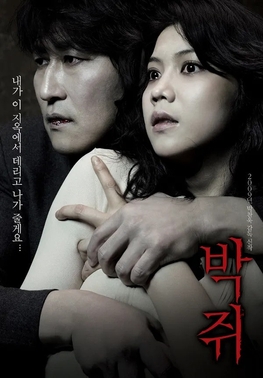
Plot overview
The protagonist, a devout priest, volunteers for an experimental vaccine trial that leaves him mysteriously transformed and dependent on blood. Isolated by his condition, he becomes entangled with a married woman whose marriage is marked by cruelty and secrecy. Their liaison draws him away from clerical restraint and into a spiral of addiction, jealousy and violence. The film explores how supernatural change amplifies human weakness and moral ambiguity rather than simply creating a monster.
Style, themes and tone
Park Chan-wook blends visceral imagery with formal control, balancing gruesome scenes with moments of absurdity and eroticism. Recurring themes include the conflict between spiritual vocation and bodily desire, the corrosive effects of secrecy and self-deception, and the moral costs of intimacy. The film is noted for its gothic sensuality, bleak humor and willingness to unsettle viewers rather than provide clear moral answers.
Production and release
Produced in South Korea and released in 2009, the film debuted at major international festivals and drew attention for its provocative subject matter and distinctive visual style. Park’s reputation as a director of psychologically intense, formally inventive genre films helped the movie gain international distribution and critical discussion.
Reception and legacy
Critics praised the film for its ambition, performances and singular vision, while some reactions were mixed because of its explicit violence and erotic content. It is often discussed alongside contemporary vampire cinema for using vampirism as metaphor for addiction and transgression rather than as simple horror iconography.
Further reading
- For production details and credits see the official film page.
Questions and answers
Q: When was the movie Thirst released?
A: Thirst was released in 2009.
Q: What is the genre of Thirst?
A: Thirst is a horror/drama movie.
Q: Who wrote and directed Thirst?
A: Thirst was written and directed by Park Chan-wook.
Q: What is the story of Thirst?
A: Thirst tells the story of a priest who is in love with his friend's wife turning into a vampire through a failed medical experiment.
Q: What was the original title of Thirst?
A: The original title of Thirst was The Bat.
Q: What was the reason behind choosing The Bat as the original title?
A: The director Park Chan-wook chose The Bat as the original title to convey a sense of horror.
Q: Who is the protagonist of Thirst?
A: The protagonist of Thirst is a priest who turns into a vampire.
Related articles
Author
AlegsaOnline.com Thirst (2009 film) Leandro Alegsa
URL: https://en.alegsaonline.com/art/99417
Sources
- bloody-disgusting.com : "Bloody Disgusting Horror - "Thirst (Kr)" Movie Info"
- haf.org.hk : haf.org.hk
- movie.naver.com : "박쥐"