
Thelema: a spiritual system centered on the concept of will
Thelema is a modern spiritual and ethical system emphasizing the discovery and enactment of one's 'True Will', with roots in Greek language, Renaissance writing, and the work of Aleister Crowley.
Overview
Thelema is a term derived from the ancient Greek noun θέλημα, meaning "will" or "intention". In its modern usage, Thelema denotes a spiritual, ethical and occult framework that places the notion of will at its center: individuals are enjoined to discover and follow their own True Will. Early uses of the Greek word appear in Christian literature to describe divine and human will, and occasionally the will attributed to hostile spiritual forces (early Christian writings).
Image gallery
8 Images




Historical development
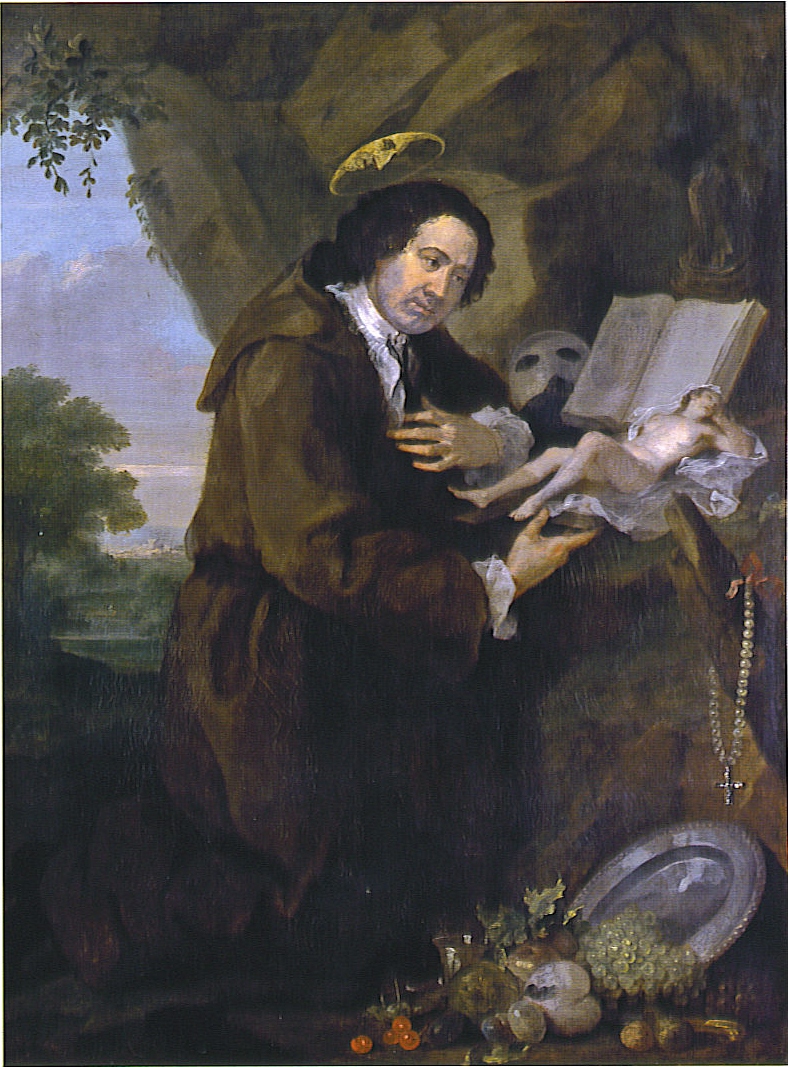
Although the Greek root is ancient, the phrase often associated with Thelema — "Do what thou wilt" — entered European cultural life through Renaissance literature. François Rabelais used a related maxim in Gargantua and Pantagruel, presenting an irreverent humanist vision of individual liberty and responsibility (Rabelais). In the 18th century some libertine circles adopted similar mottos in social and quasi-political contexts; one notable example is the activities connected with Sir Francis Dashwood and his circle at Medmenham (Dashwood and Medmenham), which combined satire, social license, and ritualized gatherings.
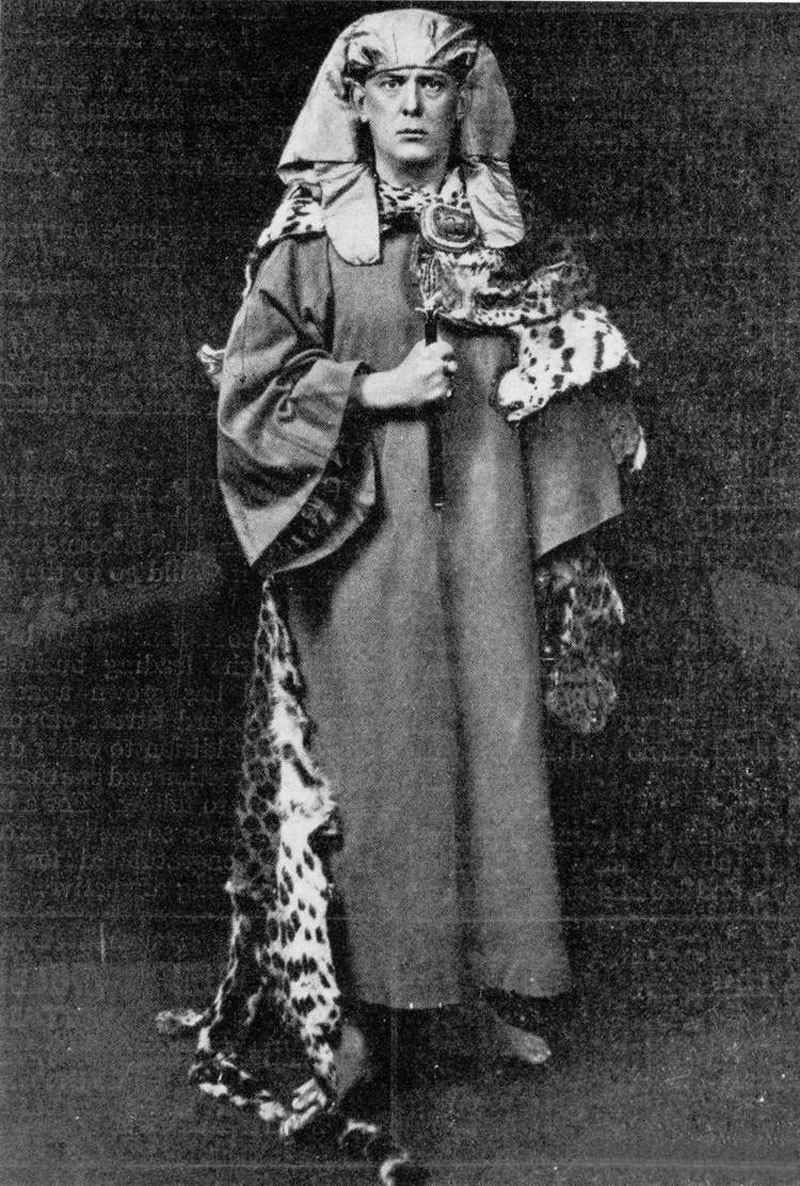
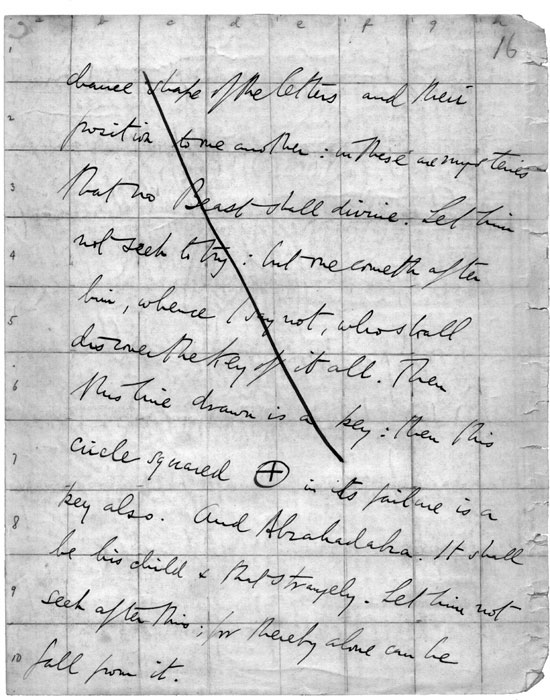
In the early 20th century the English occultist Aleister Crowley gave the word Thelema a new religious and systematic meaning after the reception of a short mystical text usually called The Book of the Law. Crowley presented this work as a revelation setting forth a new religious law and named the emerging current Thelema (Aleister Crowley; The Book of the Law).
Core beliefs and practices
At the heart of Thelema is the doctrine of the True Will: the idea that each person has a unique, divinely aligned purpose or essential nature which one ought to discover and enact. The central ethical formula often quoted is "Do what thou wilt shall be the whole of the Law," balanced in Crowley's formulation by "Love is the law, love under will." The emphasis is on responsibility to that deeper will rather than license for caprice.
Thelemic practice draws on a mixture of ceremonial ritual, meditation, yogic discipline, and esoteric techniques aimed at attaining self-knowledge and spiritual attainment. Ritual magic, symbolic invocation of deities and archetypes, and structured initiatory systems have been used by practitioners to clarify and express Will. Some groups and individuals also incorporate sexual and psychological practices where those are seen as pertinent to inner work, though such practices are neither universal nor mandatory.
Key texts and organizations
- Primary text: The Book of the Law (Liber AL vel Legis) — the central script attributed by Crowley to a channeled revelation.
- Commentaries: Crowley's own writings and subsequent commentaries expand the practical and philosophical framework of Thelema.
- Organizations: Various bodies have adopted Thelemic ideas; some formal orders trace lineage through Crowley's structures, while many independent practitioners work outside institutional frameworks.
Reception, distinctions, and notable facts
Thelema sits at the intersection of religion, philosophy, and occultism and has been interpreted widely: as a religious movement, a system of ethical psychology, or a tradition of ceremonial practice. It is important to distinguish Thelemic emphasis on discovering a True Will from simple hedonism; proponents stress discipline, self-knowledge, and alignment with a deeper purpose. Critics and the public have sometimes misunderstood or sensationalized Thelema because of its occult vocabulary and associations with controversial figures.
Scholars of religion and modern esotericism study Thelema as part of broader currents in Western occult revival, noting links to Renaissance humanism, ritual fraternities of the 18th century, and early 20th‑century magical societies. Contemporary interest in Thelema continues in academic, cultural, and spiritual contexts, with ongoing debate about how its texts and practices should be interpreted and integrated into modern life.
For further reading on etymology, historical precursors, primary sources, and contemporary movements, consult introductions to ancient Greek terms and surveys of Western esoteric traditions that treat Rabelais, Dashwood, Crowley and their respective roles in the development of Thelemic ideas (Greek term, Rabelais, Dashwood, Crowley, The Book of the Law, early Christian uses).
Questions and answers
Q: What is Thelema?
A: Thelema is the English spelling of the Greek noun θέλημα, which means "will". It was first written about by François Rabelais in his books of fiction and refers to a way of life based on the phrase "Do what thou wilt".
Q: How did Aleister Crowley revive Thelema?
A: Aleister Crowley revived Thelema in 1904 when he wrote The Book of the Law. This book contained both the word Thelema in Greek as well as the phrase "Do what thou wilt", from which Crowley took Thelema as the name of his own religion.
Q: Who are credited with perpetuating Thelema?
A: Shri Gurudev Mahendranath wrote that François Rabelais, Sir Francis Dashwood, and Aleister Crowley must share the honor of perpetuating Thelema.
Q: What does 'Thelematic Law' refer to?
A: 'Thelematic Law' refers to an idea first written about by François Rabelais in his famous books of fiction, Gargantua and Pantagruel. This idea was summed up in the phrase “Do what thou wilt” (“fay çe que vouldras” in old French).
Q: When did Sir Francis Dashwood practice this law?
A: Sir Francis Dashwood practiced this law during the mid 18th century at Medmenham.
Q: What do early Christian writings refer to when using 'the will'?
A: Early Christian writings use 'the will' to refer to God's will, human will, and even God's opponent -the Devil's- will.
Related articles
Author
AlegsaOnline.com Thelema: a spiritual system centered on the concept of will Leandro Alegsa
URL: https://en.alegsaonline.com/art/99193
Sources
- philipcoppens.com : Hell, no damnation
- hermetic.com : The Confessions of Aleister Crowley
- horusmaat.com : The Golden Topaz of Radiant Light
- horusmaat.com : Silver Star
- thelemicknights.org : Rabelais: The First Thelemite
- fet.egnu.org : Thelema
- thomasvoxfire.com : Essays for the New Aeon
- hermetic.com : Entering the Buddhadharma