
The Yellow Kid: Early American Comic-Strip Character and Cultural Icon
The Yellow Kid, created by Richard F. Outcault in the 1890s, was a widely read comic-strip figure whose imagery, language and merchandising helped shape American newspaper comics and popular culture.
Overview
The Yellow Kid was a widely recognized comic-strip character created by cartoonist Richard F. Outcault in the mid-1890s. First seen in the pages of Newspaper pages as part of the Hogan's Alley cartoons, the Kid became one of the earliest recurring figures to appear in colored newspaper supplements. The strip combined broad visual gags with social observation, and the Kid’s exaggerated appearance and idiosyncratic speech quickly made him a popular, if controversial, symbol of urban life during a period of intense newspaper competition.
Image gallery
6 Images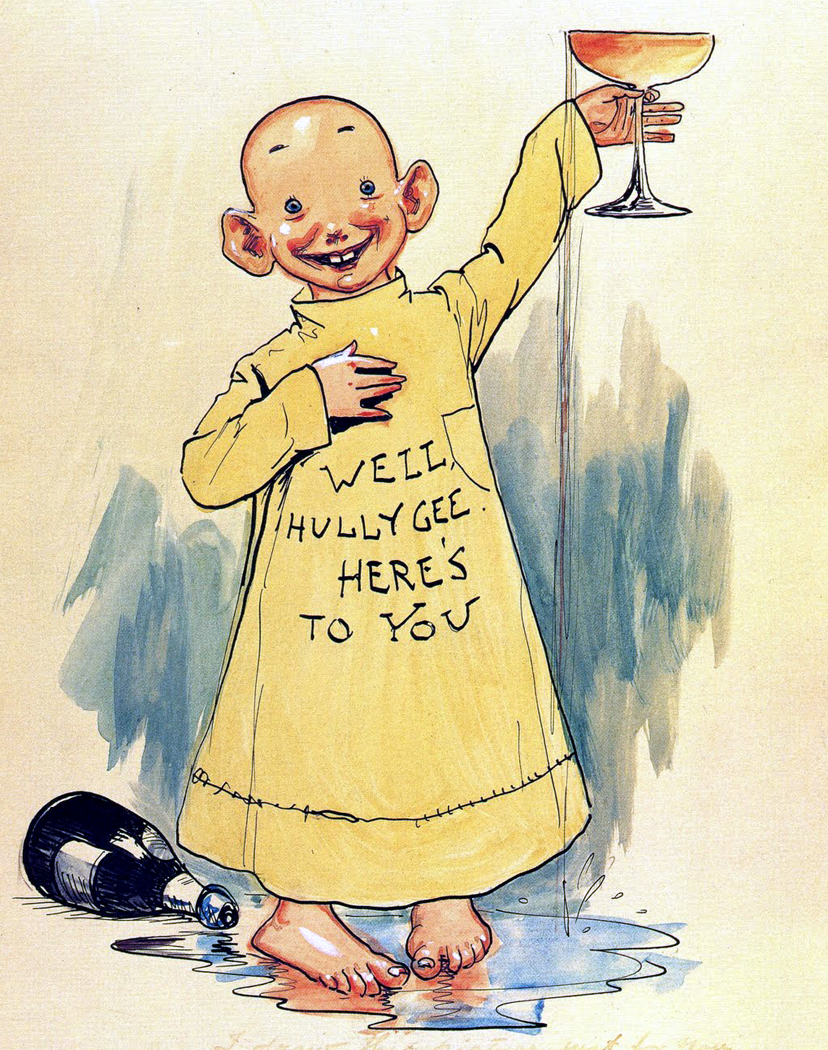


Appearance and stylistic features
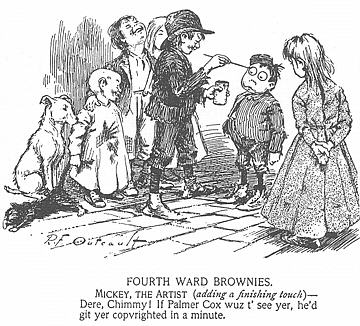
The character is usually described as a bald, gap-toothed boy wearing an oversized yellow nightshirt. Rather than relying consistently on conventional word balloons, Outcault often printed the Kid’s remarks directly on the garment, a comic device that both parodied outdoor advertising and created a unique visual identity. Hogan's Alley presented a crowded urban alley peopled with other eccentric children and adults, and the humor depended on sight gags, dialectal speech and contrasts between innocence and squalor.
Publication history and disputes
The Yellow Kid first attracted attention in the Sunday newspaper supplements that emerged in the 1890s. Outcault’s work appeared in rival papers during a period of fierce rivalry between publishers; when Outcault moved from one paper to another, both publications claimed versions of the character at different times. This situation illustrated early tensions over creative ownership and the commercial value of recurring comic figures in mass-circulation newspapers.
Cultural impact and legacy
The strip’s significance extends beyond simple entertainment. The Yellow Kid helped popularize the comic strip as a regular newspaper feature and demonstrated the commercial potential of illustrated characters. Merchandising—ranging from postcards and toys to advertising tie-ins—made the Kid one of the first widely marketed comic figures, a forerunner to the licensing that would become commonplace for later characters. Artists and editors studying sequential art cite Hogan's Alley as an influential step toward the modern comic strip format.
Notable associations and distinctions
- The Kid has been linked in public memory to the phrase "yellow journalism," though historians debate how direct that connection is; the term more broadly referred to sensationalist press tactics of the era rather than to the color of the character’s clothing.
- Outcault’s use of printed dialogue on costume surfaces and his dense, image-centered panels were innovations in layout that influenced later cartooning conventions.
- Hogan's Alley provided social commentary on urban poverty and immigrant neighborhoods while using humor and caricature typical of its time; modern readers and scholars often view these elements with attention to period attitudes and biases.
Further reading and sources
For contemporary reproductions and historical discussion see collections of period newspaper supplements and studies of early American cartoons. Relevant resources include archival newspaper collections and scholarship on the development of comic strips and popular press culture: press history overview, visual archives, biographical sketches and studies of journalism and mass media.

Questions and answers
Q: Who created and drew The Yellow Kid?
A: Richard F. Outcault created and drew The Yellow Kid.
Q: In which newspapers did The Yellow Kid appear?
A: The Yellow Kid appeared in the New York World and later in the New York Journal.
Q: What was Hogan's Alley?
A: Hogan's Alley was the comic strip in which The Yellow Kid appeared. It was a Sunday supplement comic strip in an American newspaper.
Q: What was the graphical layout of The Yellow Kid?
A: The graphical layout of The Yellow Kid had already been established in political and other, purely-for-entertainment cartoons.
Q: What was The Yellow Kid's appearance?
A: The Yellow Kid was a bald, snaggle-toothed boy who wore an over-sized yellow nightshirt and hung around in a slum alley.
Q: What was the slang printed on The Yellow Kid's shirt?
A: The slang printed on The Yellow Kid's shirt was a device meant to mock advertising billboards.
Q: What was Hogan's Alley filled with?
A: Hogan's Alley was filled with equally odd characters, mostly other children.
Related articles
Author
AlegsaOnline.com The Yellow Kid: Early American Comic-Strip Character and Cultural Icon Leandro Alegsa
URL: https://en.alegsaonline.com/art/99154
Sources
- xroads.virginia.edu : Xroads.virginia.edu
- backstoryradio.org : "The Adorable Origins of Yellow Journalism"