
The Terminal (2004 film)
2004 comedy-drama directed by Steven Spielberg, starring Tom Hanks and Catherine Zeta-Jones. A man becomes stranded in an airport terminal after his homeland is cut off, prompting a human story about borders and bureaucracy.
Overview
The Terminal is a 2004 American comedy-drama film directed by Steven Spielberg. It stars Tom Hanks as a foreign visitor who, through no fault of his own, is forced to live inside a major U.S. airport terminal, and Catherine Zeta-Jones in a prominent supporting role. The picture blends humor and pathos to examine everyday kindness, institutional indifference, and the absurdities of modern travel.
Image gallery
4 Images
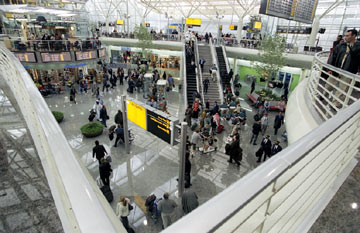


Plot and setting
The narrative follows a man who arrives at New York’s John F. Kennedy Airport only to find that diplomatic upheaval has rendered his travel documents void. He cannot legally enter the United States, yet he cannot return to his homeland because of political events that have closed its borders. With limited possessions and no official status, he takes up residence in the terminal and adapts to life among shops, long corridors, security staff, and fellow travelers.
Characters and themes
- Protagonist: a resourceful outsider whose daily routines and small acts of generosity drive much of the film’s emotional core.
- Airport staff: figures of authority and bureaucracy who alternate between compassion and rigid rule-following.
- Romantic and human connections: personal relationships form across cultural and institutional divides, highlighting empathy and resilience.
Major themes include immigration and citizenship, the impersonal nature of administrative systems, the creation of community in confined spaces, and the dignity of quiet resistance to unfair rules.
Origin and influences
The film uses a fictional country and situation to explore universal issues. It is often compared to real-life incidents in which people were stranded in transport hubs for extended periods; one widely cited parallel is the case of Mehran Karimi Nasseri, who lived in an airport for years. The movie, however, takes creative liberties and focuses on human drama rather than strict documentary fidelity. The fictional approach allows the filmmakers to address bureaucracy and cross-cultural encounters in an accessible, often comic manner.
Reception and legacy
Critics and audiences responded to the film’s warm performance by its lead and its mixture of whimsy and melancholy. Viewers praised the central performance and the film’s humane sensibility, while some critics noted a sentimental tone and episodic pacing. Over time it has remained notable as a mainstream movie that foregrounds immigration and the individual’s confrontation with systems of power.
Notable facts and distinctions
- The story invents the fictional homeland and legal circumstances to create a parable about statelessness and belonging.
- The airport setting functions almost as a character itself: a crossroads where lives briefly meet and where ordinary kindness can have outsized consequences.
- For further context on filmmaking and background, see resources associated with the director and lead actors: Director, Lead actor, Supporting actor, and discussions of related real-life cases such as Nasseri’s story.
Questions and answers
Q: What kind of movie is The Terminal?
A: The Terminal is an American comedy-drama movie.
Q: When was The Terminal released?
A: The Terminal was released in 2004.
Q: Who directed The Terminal?
A: Steven Spielberg directed The Terminal.
Q: Who were the main actors in The Terminal?
A: Tom Hanks and Catherine Zeta-Jones were the main actors in The Terminal.
Q: What is the plot of The Terminal?
A: The movie is about a man who cannot leave New York's John F. Kennedy Airport terminal because he is denied entry into the United States and also can not return to his native country because of a military coup.
Q: What is the main conflict in The Terminal?
A: The main conflict in The Terminal is that the main character cannot leave the airport terminal due to a lack of options.
Q: What genre is The Terminal?
A: The Terminal is a comedy-drama movie.
Related articles
Author
AlegsaOnline.com The Terminal (2004 film) Leandro Alegsa
URL: https://en.alegsaonline.com/art/98968
Sources
- boxofficemojo.com : The Terminal