
The Secret of NIMH
A 1982 animated feature directed by Don Bluth, adapted from Robert C. O'Brien's novel; noted for hand-drawn animation, mature themes, and a lasting cult reputation.
Overview
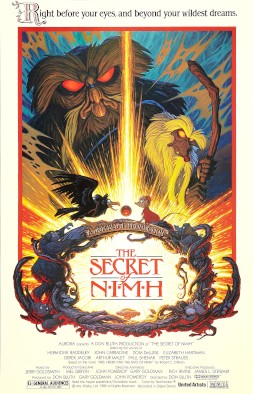
The Secret of NIMH is an American animated feature released in 1982. The film adapts Robert C. O'Brien's children's novel and tells the story of a widowed field mouse who seeks help to save her ill son and her home. The adaptation alters some names and condenses events for the screen: notably the protagonist's surname was changed to Brisby to avoid a phonetic association with a popular toy. For basic reference see film details and the director's page at directing credits.
Image gallery
2 Images
Production and adaptation
The movie was directed by Don Bluth, who had previously worked at a major animation studio and left to pursue independent projects; his career path and reasons for leaving are discussed on a number of retrospectives about Don Bluth. It was produced by his own team and released by a distributor often associated with independent film releases in that era production background, distribution notes. The film reached audiences in 1982 release year.
Source material and creative choices
The screenplay is based on Robert C. O'Brien's novel Mrs. Frisby and the Rats of NIMH, but several elements were tightened or changed to suit cinematic storytelling. The name change from Frisby to Brisby is frequently cited as a small but deliberate adaptation choice name change context. Bluth's departure from the studio system followed disagreements over creative direction while working on earlier animated films such as The Rescuers.
Style, themes, and animation
The Secret of NIMH is often noted for its hand-drawn visuals and relatively serious tone compared with many contemporary family animations. Themes include survival, the consequences of scientific experimentation, community cooperation, and parental devotion. The film's aesthetic and narrative approach helped establish the director's later work, including another well-known mouse-centered feature released a few years later An American Tail (1986) later release.
Reception and legacy
Contemporary critics and later viewers have praised the film for its craftsmanship and darker emotional register. It developed a devoted following and is often discussed in surveys of non-studio animation from the 1980s. A later sequel and other derivative projects revisited the story without the original director's participation; such follow-ups have a mixed reception among fans but contributed to the title's continued visibility.
Key elements and notable facts
- Adaptation of a popular children's novel with selective changes to plot and names.
- Directed by an animator who left a major studio to form an independent production team.
- Recognized for its hand-drawn art, practical effects, and a mood that balances wonder and menace.
- Serves as an influential title in the history of independent American animation and inspired discussion about how children's stories are adapted for film.
The film remains an important example of early 1980s animated filmmaking outside the dominant studio system. For further reading and archival material, consult the director's career summaries and retrospective essays available via the links cited above.
Questions and answers
Q: What is the name of the movie directed by Don Bluth?
A: The Secret of NIMH.
Q: What was the source material for this movie?
A: The movie was based on Robert C. O'Brien's children's book Mrs. Frisby and the Rats of NIMH.
Q: Why did Bluth change the main character's name in his adaptation?
A: He changed it to "Brisby" so that its audiences would not take its sound for the Frisbee toy.
Q: What animated Disney movie did Bluth work on before making The Secret of NIMH?
A: Before that he worked with the previous Disney animated movie which was also about mice called The Rescuers.
Q: When was An American Tail released?
A: An American Tail came out in 1986.
Q: Who released The Secret of NIMH?
A: It was released by United Artists in 1982.
Q: What disagreement between Bluth and Disney led to him creating this movie?
A:The disagreement was over The Fox and the Hound.
Related articles
Author
AlegsaOnline.com The Secret of NIMH Leandro Alegsa
URL: https://en.alegsaonline.com/art/98802