
The Piper at the Gates of Dawn
Debut album by Pink Floyd led by Syd Barrett. A landmark of 1960s British psychedelic rock, noted for whimsical lyrics, experimental instrumentals and wide influence on later rock and popular music.
Overview
The Piper at the Gates of Dawn is the first studio album by Pink Floyd, released in the late 1960s. It is widely regarded as a key record in British psychedelic rock, notable for its short, colourful songs, extended instrumental passages and a playful, often childlike lyrical voice supplied mainly by Syd Barrett. The record mixes concise pop structures with experimental studio effects and improvisation, and it remains one of the band's most celebrated early works.
Image gallery
3 Images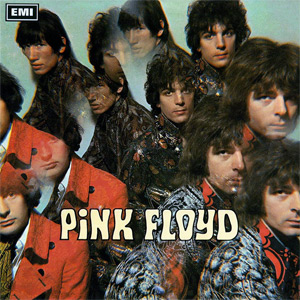


Musical character and notable tracks
The album combines concise songwriting with open-ended musical experiments. Some tracks are compact and melodic, while others unfold as free-form jams. Noted pieces include:
- "Astronomy Domine" — an opening track that evokes cosmic themes and space travel (space imagery).
- "Interstellar Overdrive" — a largely instrumental improvisation known for its dense guitar textures and extended psychedelic exploration.
- "The Gnome" and other Barrett-penned songs that use whimsical characters such as gnomes and fairytale figures, and small domestic images like bicycles (gnomes, bicycles).
Lyrics, themes and imagery
Syd Barrett's lyric style for the album favours vivid, eccentric vignettes rather than overt political or social commentary. The words often read like surreal nursery rhymes or short stories, mixing pastoral and fantastical elements. Critics and listeners have noticed recurring motifs — celestial travel, strange characters and playful or eerie childhood scenes — sometimes including scarecrow-like figures and other rustic images (scarecrows).
Recording, release and immediate impact
The album was recorded by a young band experimenting with studio techniques and the boundaries between composed and improvised music. Upon release it attracted attention from both the underground counterculture and mainstream critics, helping to define a distinctly British strand of psychedelia. While Barrett's leadership on this album was relatively short-lived, the record's sound left a strong imprint on the group's subsequent direction and on many contemporaries.
Legacy and reissues
Over the decades the album has been cited as influential by musicians and writers for its innovative textures and distinctive songwriting perspective. It has been reissued in special editions to mark anniversaries, and its better-known instrumental and vocal pieces continue to be anthologized and covered. For listeners exploring the early psychedelic era, the album remains a frequently recommended starting point for both Barrett's lyrical inventiveness and Pink Floyd's formative experimentation.
For further context and resources about the band and the album, see related entries and archival material linked to the band and genre (Pink Floyd, psychedelic rock). Additional reading can explore Syd Barrett's role and the music's enduring influence across later rock and popular music histories (Syd Barrett). Recordings that emphasize instrumental experimentation or free-form composition may be of interest to listeners drawn to tracks such as "Interstellar Overdrive".
Note: the album's lyrical vignettes include references and imagery that evoke quiet domestic objects and fanciful characters — bicycles, gnomes and other small-world details (bicycles, gnomes, scarecrows) — alongside the more expansive cosmic material of songs like "Astronomy Domine".
If you wish to explore primary sources, recordings and liner notes, consider consulting music archives and reissue documentation for authoritative session details and contemporary commentary (space-themed tracks, instrumental works).
Questions and answers
Q: What is The Piper at the Gates of Dawn?
A: The Piper at the Gates of Dawn is Pink Floyd's first album.
Q: Was The Piper at the Gates of Dawn influential?
A: Yes, many people think it is one of the most influential albums in history.
Q: Who was the leader of Pink Floyd during the making of The Piper at the Gates of Dawn?
A: Syd Barrett was the leader of Pink Floyd during the making of The Piper at the Gates of Dawn.
Q: Did Syd Barrett write most of the lyrics for the album?
A: Yes, Syd Barrett wrote most of the lyrics for the album.
Q: What are some of the songs about on The Piper at the Gates of Dawn?
A: The album has songs about space, scarecrows, gnomes, bicycles and fairytales.
Q: Are all of the songs on The Piper at the Gates of Dawn sung?
A: No, some parts of the album, like "Interstellar Overdrive", are instrumental and have no singing on them.
Q: Have special limited editions of The Piper at the Gates of Dawn been released?
A: Yes, special limited editions of Piper were released to mark its 30th anniversary in 1997, and its 40th anniversary in 2007.
Related articles
Author
AlegsaOnline.com The Piper at the Gates of Dawn Leandro Alegsa
URL: https://en.alegsaonline.com/art/98630