
The Magic Flute
The Magic Flute (Die Zauberflöte, K. 620) is a two-act singspiel by Mozart with a German libretto by Emanuel Schikaneder, blending fairy-tale, Masonic symbolism, comic and sublime music in the operatic repertoire.
Overview
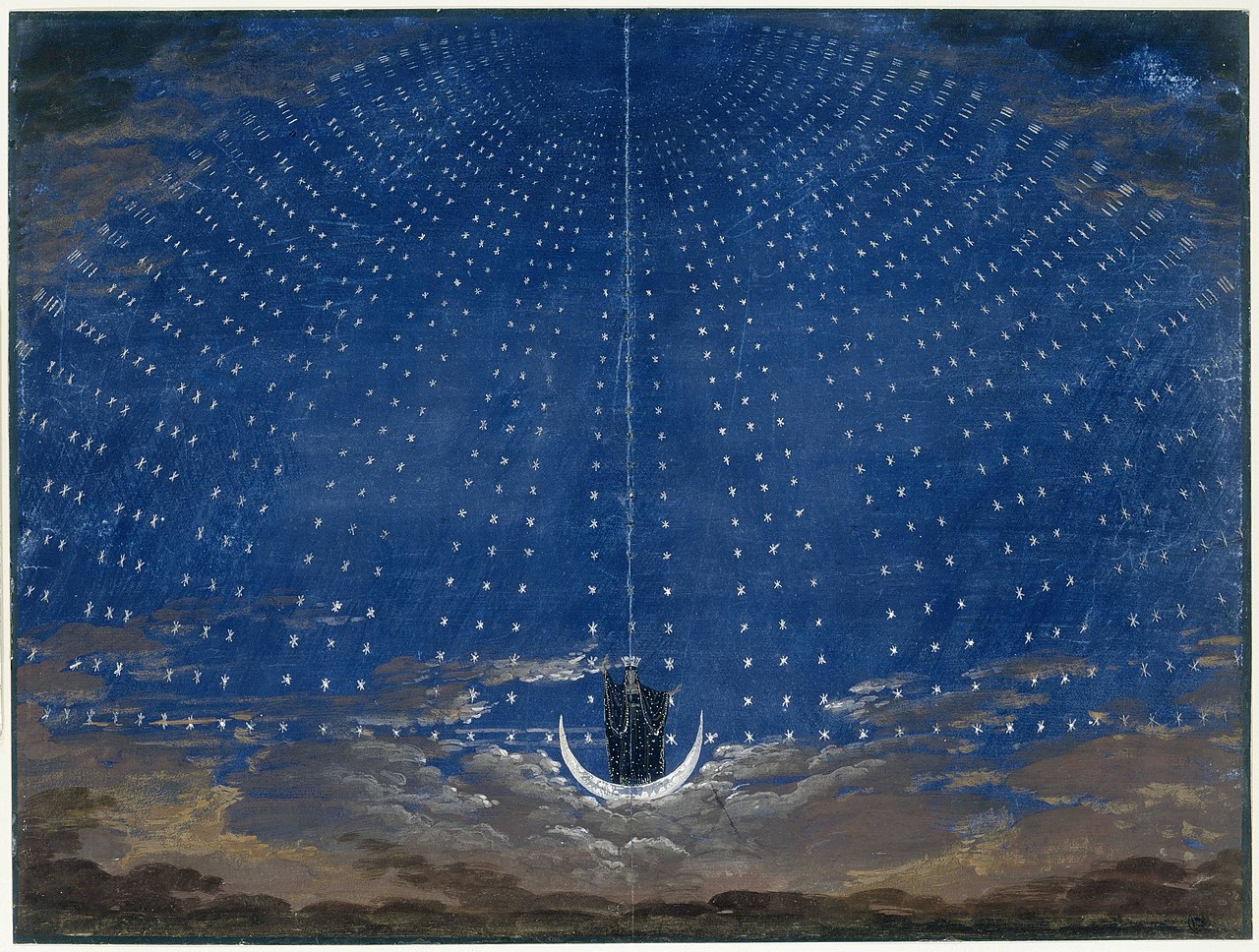
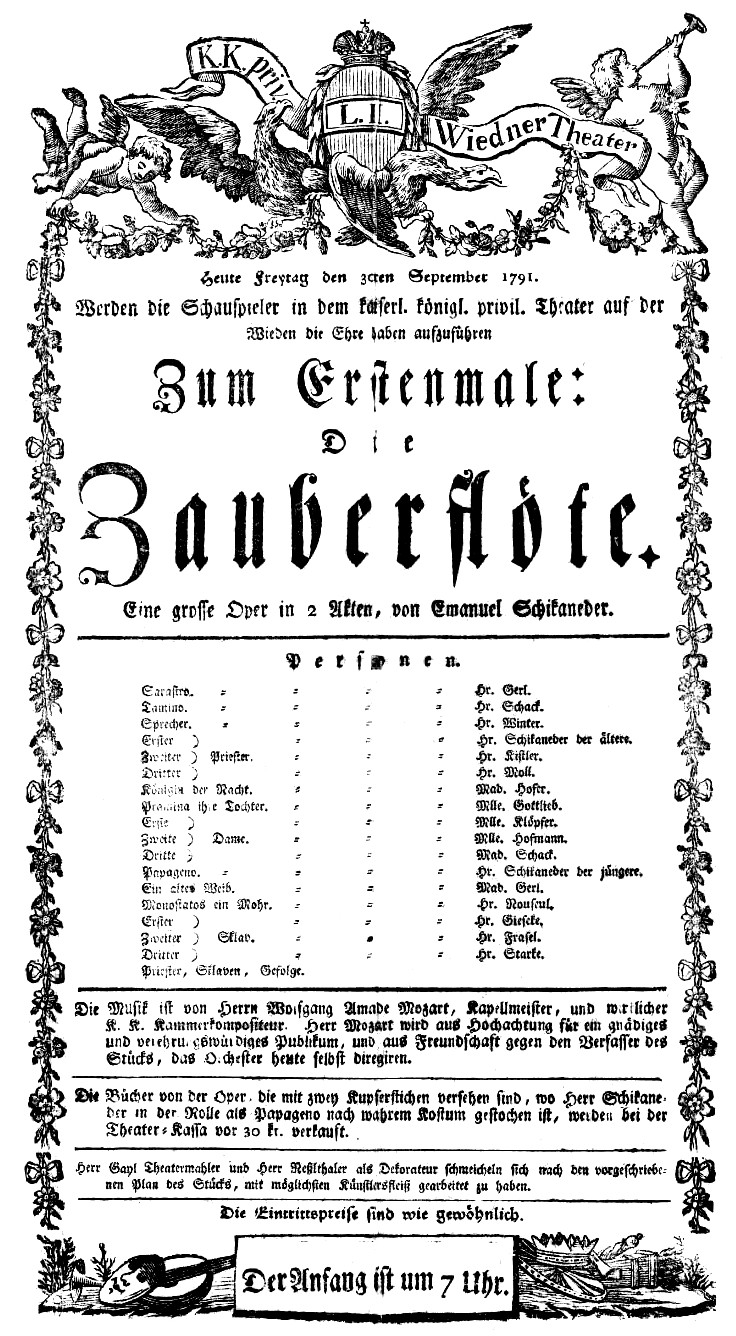
The Magic Flute (German: Die Zauberflöte, K. 620) is a two-act opera-singspiel composed by Wolfgang Amadeus Mozart with a German libretto by Emanuel Schikaneder. Premiered in Vienna on 30 September 1791, it mixes spoken dialogue, comic episodes and serious, ritual-like passages to tell a story that draws on popular fairy-tale motifs and philosophical ideas.
Image gallery
10 Images




Form and principal elements
The work is written in the singspiel tradition: music is interspersed with spoken text rather than continuous recitative. It is scored for a classical orchestra and features a wide variety of vocal writing, from simple folk-like tunes to virtuosic coloratura. Dramatic contrasts—light versus darkness, wisdom versus superstition—shape both libretto and score.
Characters and notable numbers
- Papageno: the birdcatcher, a popular comic-baritone role with light, catchy songs.
- Pamina: the heroine, central to the opera's emotional core.
- Tamino: a prince undergoing trials of initiation.
- The Queen of the Night: famous for the aria Der Hölle Rache, a demanding coloratura showcase.
Premiere and historical context
The premiere took place at the Freihaus-Theater auf der Wieden under Schikaneder's management. Written during the last year of Mozart's life, the piece reflects late-18th-century Viennese tastes and the influence of Enlightenment ideas. Scholars often note the presence of Masonic symbolism—such as initiation and the pursuit of light—though interpretations vary.
Legacy and importance
The Magic Flute remains one of the most frequently performed operas worldwide. Its combination of accessible tunes and sophisticated composition has secured popular appeal and scholarly interest alike. Productions range from traditional stagings to radically reimagined versions, demonstrating the work's adaptability and enduring cultural resonance.
Further notes
Beyond theatrical performance, selections from the score are widely used in concert programs and recordings. The opera's mixture of whimsy, moral dilemma and musical invention makes it a key work for understanding Mozart's late style and the transition between popular entertainment and high art in the classical era. For additional reading and resources, see general reference entries and musicological studies linked here: libretto and title, operatic form, composer, librettist, premiere city, Masonic context.
Questions and answers
Q: Who composed The Magic Flute?
A: The Magic Flute was composed by Wolfgang Amadeus Mozart.
Q: When did The Magic Flute premiere?
A: The Magic Flute premiered on September 30, 1791.
Q: What is the genre of The Magic Flute?
A: The Magic Flute is an opera.
Q: Who wrote the libretto for The Magic Flute?
A: The libretto for The Magic Flute was written by Emanuel Schikaneder.
Q: Where did The Magic Flute premiere?
A: The Magic Flute premiered at Schikaneder's theater, the Freihaus-Theater auf der Wieden in Vienna.
Q: What are some themes found in The Magic Flute's story?
A: Some traditional fairytale themes are found in the story of The Magic Flute.
Q: Does The Magic Flute have any Masonic elements in it?
A: Yes, Masonic elements are present in The Magic Flute's story.
Related articles
Author
AlegsaOnline.com The Magic Flute Leandro Alegsa
URL: https://en.alegsaonline.com/art/98395