
The Killing of a Sacred Deer — film overview and significance
A 2017 psychological thriller by Yorgos Lanthimos that mixes clinical style, Greek‑tragic themes and moral dilemma. Noted for its performances, stark tone and a Cannes Best Screenplay award.
Overview
The Killing of a Sacred Deer is a 2017 psychological thriller and horror film directed by Greek filmmaker Yorgos Lanthimos. The story follows a successful surgeon whose life is disrupted after a disturbing relationship with a mysterious teenage boy. The picture blends unsettling atmosphere with moral questions and an off‑kilter, deadpan style that has become associated with the director's work.
Image gallery
1 Image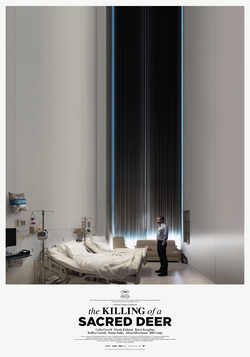
Plot and characters
The narrative centers on a surgeon and his family, and the slow escalation of an inexplicable crisis after he develops a connection to an enigmatic adolescent. As the boy's influence grows, members of the household experience strange, debilitating symptoms and the surgeon faces a harrowing ethical dilemma. The film deliberately adopts a distanced tone and spare dialogue; its narrative operates at the boundary between psychological realism and allegory.
Style, themes and influences
Lanthimos's filmmaking here emphasizes formal composition, clipped performances and a clinical emotional register. The movie draws on motifs of classical tragedy and ritual sacrifice—its title alludes to ancient myths about offerings and moral cost—and explores responsibility, retribution and parental duty. Critics often note the film's mixture of black humor and horror, and its tendency to unsettle by refusing emotional warmth.
Production, cast and reception
The film is an English‑language production that continued Lanthimos's international profile after earlier features. It features performances that were widely remarked upon by reviewers for their precision and restraint. Reaction on release was mixed to positive: many praised its ambition, visual control and screenplay, while some viewers were divided over its bleak tone and moral extremity.
Awards and legacy
Yorgos Lanthimos and co‑writer Efthymis Filippou received a Best Screenplay prize at the Cannes Film Festival for this work, recognition that highlighted the film's unusual approach to narrative and dialogue. The movie is frequently discussed alongside Lanthimos's other works for its formal rigor and engagement with mythic themes.
Further reading
For those studying contemporary cinema that intersects horror, moral philosophy and modern adaptations of tragic structures, this film is often cited as a provocative example of how genre can be used to stage ethical quandaries rather than straightforward thrills.
Questions and answers
Q: What is The Killing of a Sacred Deer?
A: The Killing of a Sacred Deer is a horror and psychological thriller movie released in 2017.
Q: Who directed The Killing of a Sacred Deer?
A: Yorgos Lanthimos directed The Killing of a Sacred Deer.
Q: What is the plot of The Killing of a Sacred Deer?
A: The movie tells the story of a surgeon who has a familial bond with an evil and sinister teenage boy leading to disastrous results.
Q: What awards did Lanthimos and Filippou win for The Killing of a Sacred Deer?
A: Lanthimos and Efthymis Filippou won a Best Screenplay award at the Cannes Film Festival.
Q: Is The Killing of a Sacred Deer a horror or a romance movie?
A: The Killing of a Sacred Deer is a horror and psychological thriller movie, not a romance.
Q: When was The Killing of a Sacred Deer released?
A: The Killing of a Sacred Deer was released in 2017.
Q: Who played the lead role in The Killing of a Sacred Deer?
A: The lead role in The Killing of a Sacred Deer was played by Colin Farrell.
Related articles
Author
AlegsaOnline.com The Killing of a Sacred Deer — film overview and significance Leandro Alegsa
URL: https://en.alegsaonline.com/art/98266
Sources
- metacritic.com : "The Killing of a Sacred Deer"
- rottentomatoes.com : "The Killing of a Sacred Deer"
- hollywoodreporter.com : "Movie Release Dates"