
Bear worship (Arctolatry): traditions, rituals and cultural significance
Overview of bear worship (arctolatry), its traits, historical origins, and examples among northern Eurasian and North American cultures, with notes on rituals, symbolism and scholarly views.
Overview
Bear worship, often called arctolatry, refers to religious attitudes and rituals that honor bears as powerful spiritual beings, ancestors, or deities. Such practices appear across northern Eurasia and parts of North America and are expressed through ceremonies, taboo rules, offerings, storytelling and material culture. For some groups the bear functions as a mediator between humans and the natural or supernatural world.
Image gallery
5 Images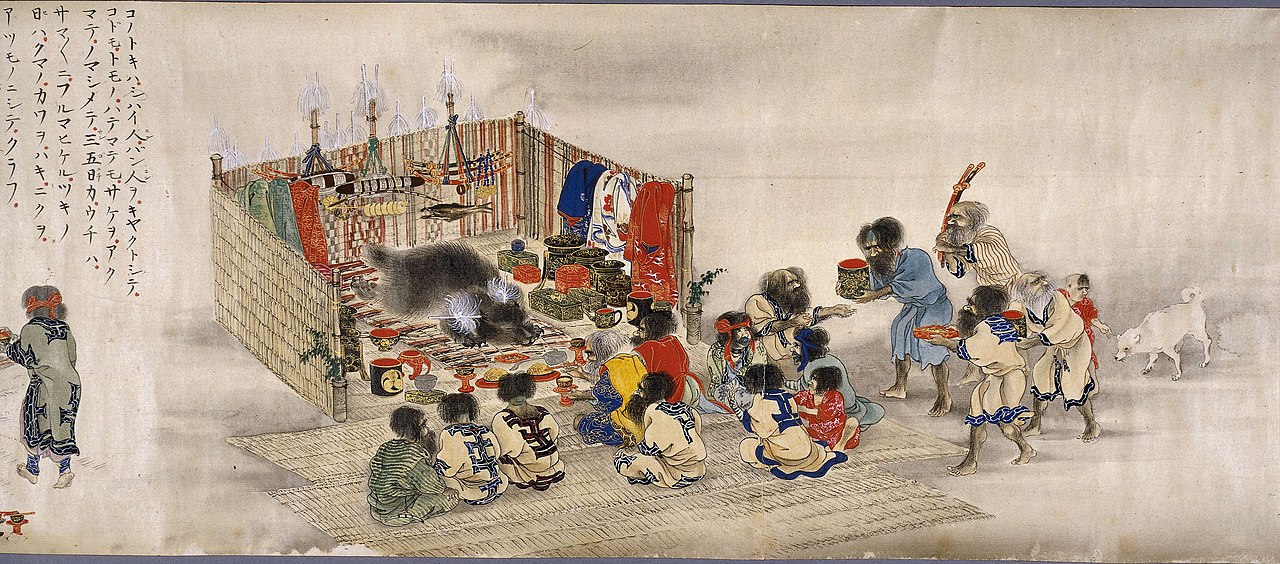


Characteristics and rituals
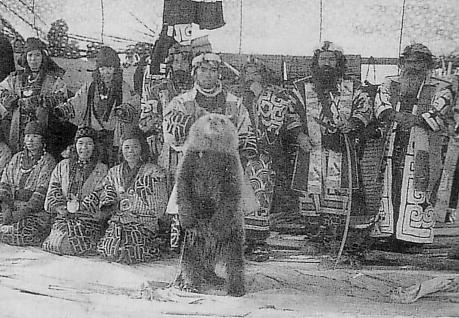
Common features include a mixture of reverence and restraint: hunts may be accompanied by ritualized apologies or feasts, the use of bear skulls and skins in ceremonies, and taboos governing the treatment of bear parts. Communities sometimes staged elaborate rites to return the bear’s spirit to the wild after a hunt. Symbolic language and songs often portray bears as kin, teachers, or incarnations of ancestors.
Regional examples
- Sámi ritual traditions historically integrated bear symbolism in seasonal ceremonies.
- Ainu communities of Hokkaido honoured the bear as a kamuy (spirit) and performed the iyomante sending ritual.
- Nivkh and other North Eurasian groups incorporated bears into shamanic practice and oral lore.
- Pre-Christian Finns used euphemisms for the bear and treated it with reverence to avoid misfortune.
- Indigenous North American tribes in some regions also held bears as central to clan identity or myth.
History and archaeological perspective
Evidence for bear-focused rituals ranges from ethnography and oral tradition to archaeological finds such as cave art, carved totems and modified bear remains. Some researchers suggest that bear veneration has deep prehistoric roots and may have been important to hunter-gatherer cosmologies, though the interpretation of material remains is cautious and debated.
Myth, deity analogues and iconography
Across Eurasia there are figures and place-names that recall bear attributes or names, including some Celtic and Germanic motifs where warrior or mother-figure deities bear simian or ursine associations. Totemic carvings, masks and festivals continue to express the bear’s symbolic link to strength, protection, and cyclical renewal.
Contemporary relevance and distinctions
Modern interest in bear traditions influences cultural revival, museum displays and tourism, but care is needed: living traditions are diverse and context-specific. Scholarly study distinguishes between worship (devotion to a deity), totemism (clan identification), and pragmatic ritual (hunting etiquette), though in practice these categories often overlap.
Further reading and resources: general summaries and ethnographies are available through cultural and academic portals; for specific communities see material collected by regional museums and specialist scholars.
More on rituals • Sámi sources • Ainu studies • Finnish traditions • Celtic parallels • Totem and iconography • Archaeological debates • Ethnographic collections • Prehistoric context • Comparative religion
Questions and answers
Q: What is bear worship?
A: Bear worship (Bear Cult or Arctolatry) is the religious practice of the worshiping bears.
Q: Which ethnic arctic religions include the worship of bears in their beliefs?
A: Many North American and North Eurasian ethnic arctic religions include the worship of bears in their beliefs, including Sami, Nivkhs, Ainu, and pre-Christian Finns.
Q: Are there any deities from Celtic Gaul and Britain similar to the bear?
A: Yes, there are a number of deities from Celtic Gaul and Britain similar to the bear.
Q: Are there any totems in northern cultures that carve bears?
A: Yes, the bear is featured on many totems throughout northern cultures that carve them.
Q: How far back could bear worship have been practiced?
A: Bear worship may have been practiced as far back as the Middle Palaeolithic time period amongst Neanderthal societies.
Q: What is included in the beliefs of many North American and North Eurasian ethnic arctic religions?
A: The worship of bears is included in the beliefs of many North American and North Eurasian ethnic arctic religions.
Q: Which cultural groups have practiced bear worship?
A: Many North American and North Eurasian ethnic arctic religions such as Sami, Nivkhs, Ainu, and pre-Christian Finns have practiced bear worship. Additionally, certain Celtic Gaul and Britain deities were similar to the bear.
Related articles
Author
AlegsaOnline.com Bear worship (Arctolatry): traditions, rituals and cultural significance Leandro Alegsa
URL: https://en.alegsaonline.com/art/9825