
The Four Horsemen of the Apocalypse (1921 film)
1921 American silent epic adapted from Vicente Blasco Ibáñez’s novel. Directed by Rex Ingram, adapted by June Mathis and starring Rudolph Valentino; a major hit with lasting cultural influence and preserved status.
Overview
The Four Horsemen of the Apocalypse is a 1921 American silent film adapted from the novel by Vicente Blasco Ibáñez. Set against the upheaval of World War I, the picture interweaves private drama and public catastrophe, and is best known for its allegorical sequence that invokes the Four Horsemen as a visual motif. The production condensed a sprawling novel into a cinematic narrative that emphasized passion, loss and the moral consequences of war.
Image gallery
7 Images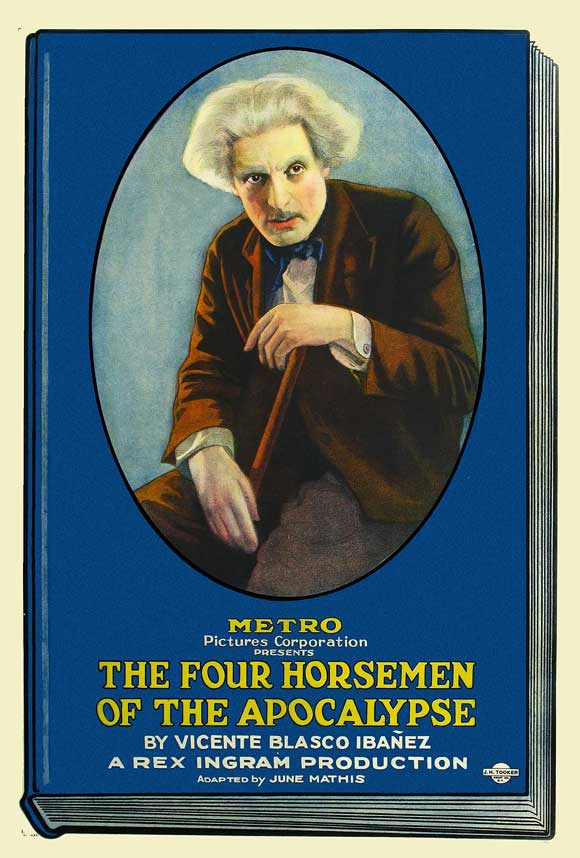




Production and adaptation
The adaptation was overseen by screenwriter and studio executive June Mathis, who championed the project and played a central role in shaping its dramatic focus and in casting decisions. Direction was handled by Rex Ingram, a filmmaker noted for his attention to composition and atmosphere. Production combined studio work with staged exterior sequences intended to convey continental Europe and the rise of conflict, translating literary scenes into evocative visual episodes.
Plot (concise)
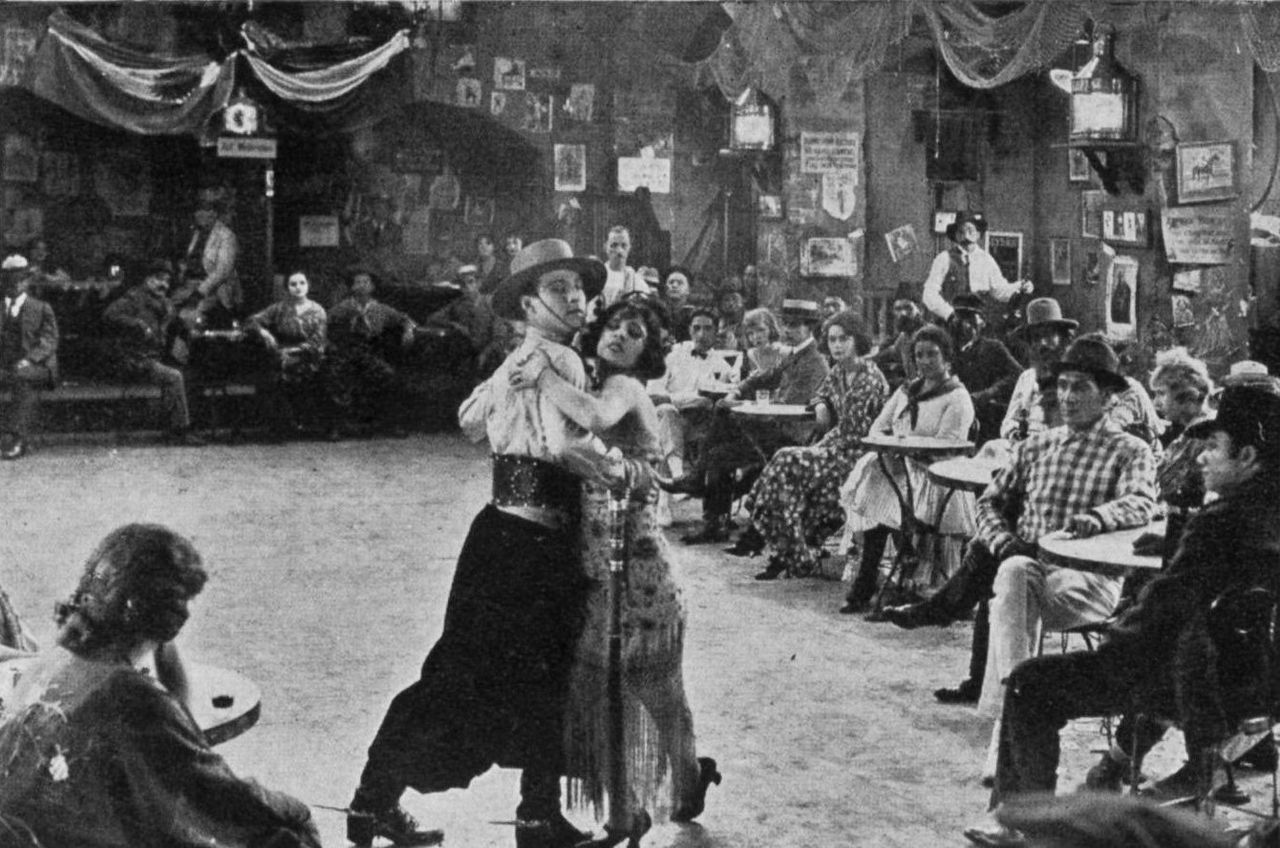
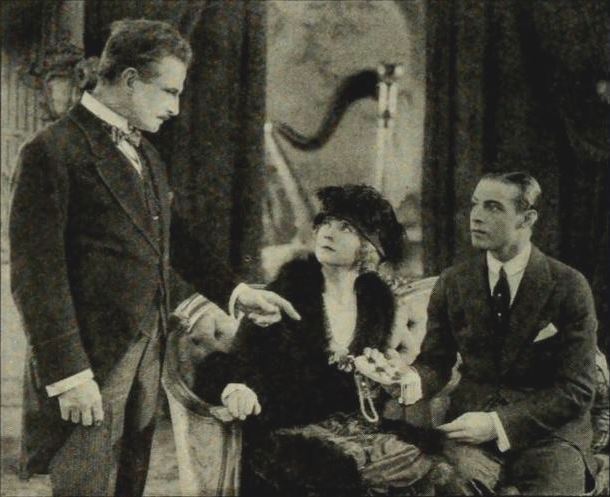
The narrative follows members of an extended family with ties to both Argentina and Europe. Romantic entanglements and rivalries develop as national tensions escalate into war. The story traces how the conflict alters relationships and fortunes, culminating in stark, symbolic passages that underline the film’s apocalyptic imagery. The tango scene and relationship of the central male character to fashion and popular culture became especially memorable to contemporary audiences.
Style, imagery and themes
The film uses expressive composition, costuming and a memorable symbolic sequence to communicate themes of fate, destruction and human vulnerability. Its stylistic hallmarks include dramatic close-ups, choreographed crowd scenes and tableaux that echo the novel’s sweeping tone. The apocalyptic sequence employs the horsemen as a moral and visual counterpoint to the intimate drama of the protagonists.
Cast, performance and popular impact
The cast is headed by Rudolph Valentino, whose screen presence helped establish him as an international star. The movie influenced contemporary fashion and tastes; for example, audiences sought out clothing inspired by the film, notably so-called gaucho pants, and the tango scene contributed to the film’s popular appeal. Critics of the period highlighted the melodramatic narrative and the star-making quality of the lead performance.
Reception and cultural legacy
At release the picture was a major commercial and social phenomenon, shaping how Hollywood adapted literary sources and promoted stars. Film historians regard it as an early exemplar of the large-scale silent epic that blended personal melodrama with topical themes. Its success illustrated how cinema could transform a European novel into a mass-market spectacle and influence fashion, dance trends and celebrity culture.
Preservation and availability
Because of its historical and cultural significance the film has been a subject of preservation interest. Institutions concerned with film heritage have worked to maintain surviving elements; the Library of Congress and other archives include the title among early American films considered important to preserve. In many places the film’s original commercial copyright has lapsed and it is commonly listed as being in the public domain, and digitized copies are available through community repositories such as the Internet Archive.
Notable facts and scholarly interest
- The movie is a prominent example of a Hollywood film adaptation that brought a European bestseller to American audiences.
- Its combination of spectacle, symbolic imagery and star-centered romance influenced subsequent silent-era and early sound productions.
- Scholars study the film for its role in shaping early celebrity culture, its visual strategies for representing war, and the part played by industry figures—particularly women like June Mathis—in studio-era creative decision making.
Further reading and viewings include histories of early Hollywood, studies of World War I cinema, and restored prints and public-domain transfers available from film archives and online repositories. For those researching adaptation, stardom and preservation, the film remains a useful case study of how commercial cinema engaged with contemporary events and literary sources.
Questions and answers
Q: What is The Four Horsemen of the Apocalypse?
A: The Four Horsemen of the Apocalypse is a 1921 American silent movie set during World War I.
Q: Who wrote the story that the movie is based on?
A: The story that the movie is based on was written by Vicente Blasco Ibáñez.
Q: Who turned the story into a movie?
A: The story was turned into a movie by June Mathis.
Q: Who played the movie's main character, Julio Desnoyers?
A: The movie's main character, Julio Desnoyers, was played by Rudolph Valentino.
Q: Why is The Four Horsemen of the Apocalypse considered an important film?
A: The Four Horsemen of the Apocalypse is considered an important film because of its popularity and cultural significance. It is also being preserved by the Library of Congress's National Film Registry.
Q: Is The Four Horsemen of the Apocalypse still under copyright?
A: No, The Four Horsemen of the Apocalypse is in the public domain because it is over 94 years old.
Q: Where can The Four Horsemen of the Apocalypse be downloaded for free?
A: The Four Horsemen of the Apocalypse can be downloaded for free on the Internet Archive.
Related articles
Author
AlegsaOnline.com The Four Horsemen of the Apocalypse (1921 film) Leandro Alegsa
URL: https://en.alegsaonline.com/art/98006
Sources
- archive.org : The Four Horsemen on the Apocalypse