
The Final Cut (album)
The Final Cut (1983) is Pink Floyd's twelfth studio album, a largely Roger Waters–written, politically charged concept record. It is the band's last studio release with Waters and features little involvement from other members.
Overview
The Final Cut is the twelfth studio album by Pink Floyd, released in 1983. Presented as a cohesive, narrative-driven record, it continues themes of grief, political disillusionment and the emotional costs of war. Recording sessions took place during the latter half of 1982 at various recording locations across the United Kingdom, and the finished work is often described as both an album and a long, lyrical suite.
Image gallery
3 Images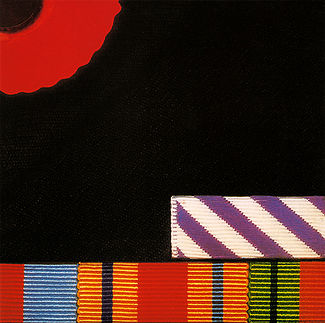

Authorship and personnel
The album is notable for being dominated by Roger Waters, who is credited as the sole songwriter on every track. Waters was by this time the band's principal lyricist and conceptual leader; many listeners and critics regard The Final Cut as effectively his personal statement, assembled with contributions from the other members of the group. It is also the final Pink Floyd studio album to feature the band's lineup that included Waters before his departure.
Personnel on the recordings differ from earlier Pink Floyd records. Keyboardist Rick Wright, dismissed during the sessions for The Wall, does not participate on this album. Guitarist and vocalist David Gilmour performs on several tracks but sings lead on only one; most vocal duties fall to Waters. These circumstances, together with strained relations between Waters and Gilmour, contributed to the work's reputation as a de facto solo project.
Music, themes and structure
Musically, The Final Cut blends rock instrumentation with orchestral touches and concise song forms rather than extended improvisations. The album forgoes many of the long instrumental passages associated with the band’s earlier work and focuses on lyric-driven pieces that move from one mood to another, often stitched together to create a continuous listening experience. Lyrical themes examine post-war British society, the psychological aftermath of conflict, and criticism of political leadership.
Reception and legacy
Upon release the album provoked mixed reactions: some reviewers praised the emotional intensity and topical ambition, while others found the project too singular in voice or too direct in its messaging. Over time it has been reappraised by listeners interested in Waters’ songwriting and in the record’s role as a capstone to a particular era of the band. The Final Cut remains distinct in Pink Floyd’s catalog because of its personal focus, its sparse contributions from other members and the circumstances surrounding its creation.
Notable facts and live history
- The Final Cut is the only Pink Floyd studio album on which every song is credited solely to Waters.
- Rick Wright does not appear on the album; this absence followed events during The Wall sessions.
- Although several songs were later performed by Waters during his solo tours, none were presented live by Pink Floyd as a group.
- The album is often described on packaging and in commentary as a requiem for the optimism that followed the Second World War, a theme emphasized by Waters and sometimes noted on the sleeve as a subtitle or dedication.
- The circumstances of its making and Waters’ prominent role led some listeners to view the record as the end of an era for Pink Floyd and as a turning point before his eventual departure from the band.
For more detailed information on the musicians, individual songs and subsequent performances, see further resources on the band and its members: the band's bassist, Roger Waters, and David Gilmour each have extensive solo and group histories that contextualize this album.
Questions and answers
Q: What is The Final Cut?
A: The Final Cut is the twelfth studio album by Pink Floyd.
Q: When was it recorded?
A: It was recorded at various studios in the UK from July to December 1982.
Q: Who wrote all of the songs on the album?
A: All of the songs on The Final Cut were written solely by Roger Waters, the band's bassist and primary songwriter.
Q: Did Rick Wright participate in any way on this album?
A: No, Rick Wright had been fired by Waters during the recording of The Wall, so he does not appear at all on The Final Cut.
Q: How much involvement did David Gilmour have with this album?
A: David Gilmour only sings lead vocals on one of the twelve songs; all other tracks are sung entirely by Roger Waters.
Q: Is it considered a true Pink Floyd album?
A: Some people consider it more as a Roger Waters solo album than a true Pink Floyd release due to his dominance over its production and because of tension between him and other members of the band during recording.
Q: Have any of its songs ever been performed live by Pink Floyd?
A: No, none of its songs have ever been performed live by Pink Floyd, though some have been performed live by Waters during solo tours.
Related articles
Author
AlegsaOnline.com The Final Cut (album) Leandro Alegsa
URL: https://en.alegsaonline.com/art/97976