
The Expression of the Emotions in Man and Animals
Charles Darwin's 1872 study of how emotions are shown by facial expressions and actions in humans and other animals, arguing for evolutionary origins, universality, and inherited signalling.
Overview
The Expression of the Emotions in Man and Animals is a short, influential work by Charles Darwin first published in 1872. It examines how feelings such as surprise, fear, anger and shame are communicated by faces, posture and physiological changes. Darwin argued that many emotional displays are not arbitrary cultural inventions but have evolutionary roots: they are inherited, automatic, and related to similar behaviour in other mammals.
Image gallery
5 Images



Content and methods
The book analyzes specific gestures and bodily responses and links them to survival, social signalling and the nervous system. Darwin collected examples from a wide range of peoples and cultures to support his claim that certain expressions are universal. He drew attention to familiar phenomena such as the quick raising of the eyebrows at surprise, the involuntary lifting of the eyebrows, and the tendency to blush in awkward social situations, often accompanied by mental disorganization or confusion. He emphasized that blushes and other reactions are difficult to suppress because they follow from physiological processes.
Key ideas and principles
Darwin proposed several general principles to explain expression: some reactions are "serviceable associated habits" that once helped an organism meet needs; others are in opposition or "antithesis" and arise from contrasting states of mind; and some reflect the direct action of the nervous system. Central to his account is the claim that many displays are inherited and therefore comparable across related species. He argued that the same basic emotional repertoire appears in humans and other mammals, supporting the idea of common ancestry.
- Universality: similar emotional displays found across human populations.
- Continuity with animals: links between human and mammal expressions.
- Inherited mechanisms: expressions are often automatic and difficult to control, reflecting deeper, sometimes unconscious processes.
Publication history and editions
Darwin originally intended this material to appear as a chapter in The Descent of Man, but he issued it as a separate volume in 1872. The book followed his earlier work On the Origin of Species and formed part of his broader effort to show how natural selection shaped not only anatomy but behaviour and emotional life. Translations into German, Dutch and French appeared within a few years, and a lightly revised second edition was released in 1890.
Evidence and innovations
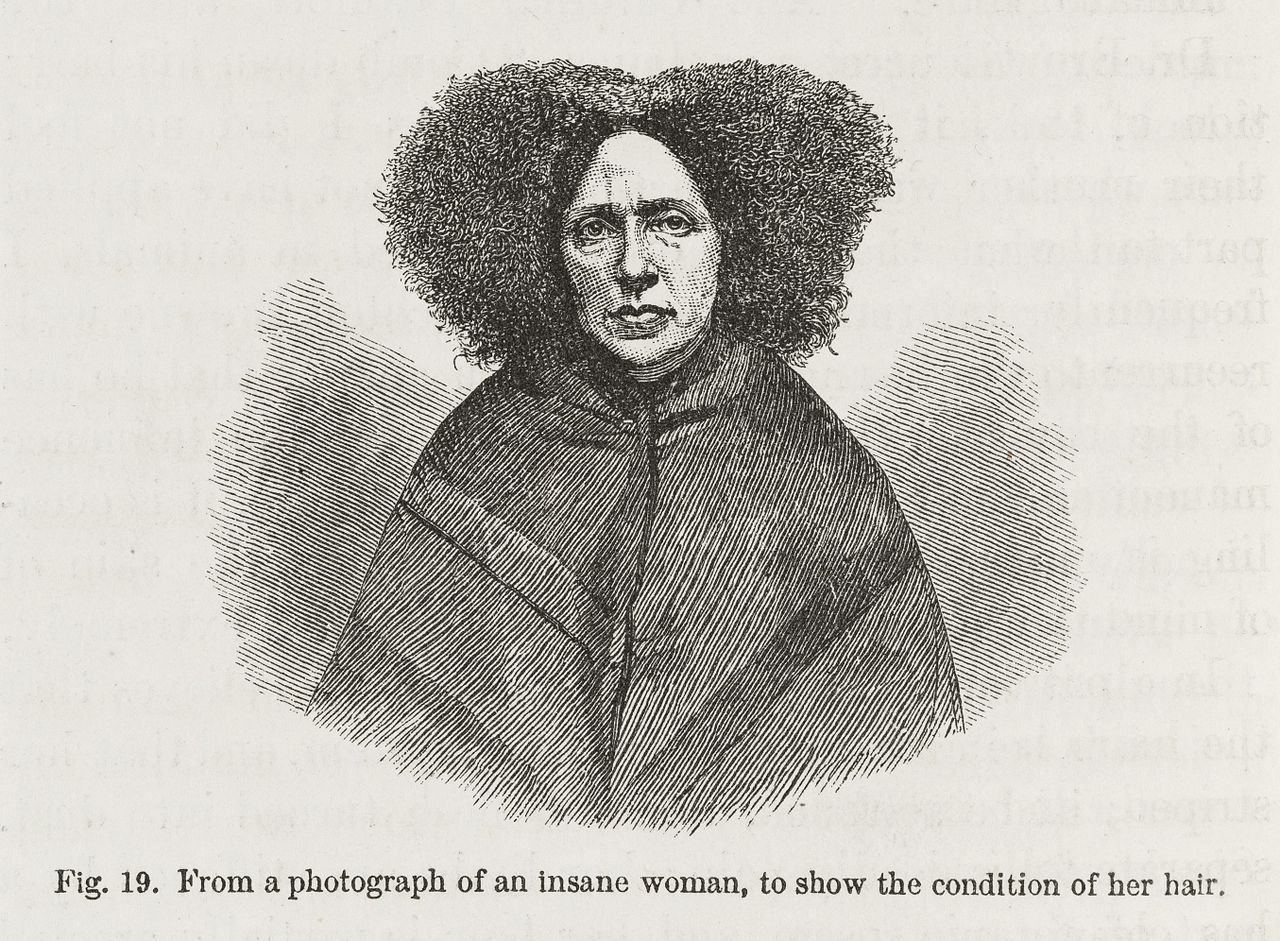
One notable methodological innovation was Darwin's use of images to illustrate emotional expression: he employed drawings and one of the earliest systematic uses of photography to present evidence of facial and bodily signals. Contemporary accounts stress that the photographic illustrations helped readers compare expressions across individuals and cultures, and Darwin referenced such visual material repeatedly in the text (photographs).
Reception and influence
The book has had a lasting impact on psychology, anthropology, ethology and the study of communication. Later researchers extended Darwin's empirical programme: cross-cultural studies tested universality claims, and twentieth-century psychologists developed systematic coding of facial actions. The field now commonly links Darwin's insights with genetics and brain science to explore how emotional expression is inherited and organized, a continuity that modern work sometimes describes under labels such as behavioural genetics and affective neuroscience. Darwin's suggestion that expressions are difficult to suppress and often spontaneous finds echoes in modern studies showing that many signals are automatic and physiologically grounded (inherited).
Notable examples and enduring points
Darwin's attention to everyday, observable signs—such as eyebrow movement, sudden pallor or blushing (blushing)—made the topic accessible and testable. He treated such signs as meaningful biological phenomena rather than mere social conventions. He also discussed how moral and social contexts shape expression while maintaining an evolutionary account of their origins. Readers and scholars continue to regard the work as a concise statement that complements Darwin's broader evolutionary writings and as a pioneering attempt to treat emotions as part of natural history.
For further reading and historical context, consult editions and commentaries on Darwin's emotional theory and modern reviews that trace how his observations were evaluated and tested in later scientific traditions Darwin, Origin, and commentary sources Descent, as well as methodological discussions about photographic evidence photography and debates about involuntary expression confusion and social signalling eyebrows. Additional resources examine the neurobiological and genetic dimensions of expression inheritance and the psychological literature on automatic responses and the unconscious.
Although short, the book remains a classic introduction to the idea that emotions have evolved functions and visible forms; it bridges natural history, observational method, and early comparative psychology, and it continues to inform how scientists and the public think about facial expression and emotional communication.
Questions and answers
Q: What is the title of Charles Darwin's third major work of evolutionary theory?
A: The Expression of the Emotions in Man and Animals.
Q: When was the book published?
A: The book was published separately in 1872.
Q: What is the book about?
A: The book is about the way emotional life is shown by the faces and actions of man and other mammals.
Q: How does Darwin set out his ideas?
A: Darwin sets out ideas that our systems of emotions are inherited, and have evolved in a similar way to the more familiar structural aspects of man and animals. He explores the origins of such human characteristics as the lifting of the eyebrows in moments of surprise and mental confusion which typically accompanies blushing.
Q: What type of evidence does Darwin use to support his theories?
A: Darwin uses photographs as main way to show scientific evidence, as well as looking at how many different peoples in different parts of world have similar facial and emotional reactions.
Q: What are some basic points made by Darwin in this work?
A: Some basic points made by Darwin include a single origin for entire human species, universal human expressions, links between way humans show emotion and other mammals, emotional displays being inherited, automatic, difficult to control with conscious mind but operated by unconscious mind, modern research showing it's difficult to avoid giving signs emotions.
Q: In what languages has The Expression been translated into?
A:The Expression has been translated into German (1872), Dutch (1873) French (1874). A second edition with minor alterations was also published in 1890.
Tags
Related articles
Author
AlegsaOnline.com The Expression of the Emotions in Man and Animals Leandro Alegsa
URL: https://en.alegsaonline.com/art/97938
Sources
- books.google.com : Darwin's Camera : Art and Photography in the Theory of Evolution