
Arthur Miller’s The Crucible: Salem Witch Trials as Allegory of McCarthyism
Examination of Arthur Miller’s The Crucible: a dramatic retelling of the 1692 Salem witch trials used as an allegory for McCarthy-era persecution, exploring hysteria, false accusation, authority, and moral choice
The Crucible is a stage play written by Arthur Miller and first produced in the early 1950s. It dramatizes events from the Salem Witch Trials of 1692, turning historical incidents and figures into a focused dramatic narrative about accusation, punishment, and moral choice. The work is generally classified as a play rather than a historical document; Miller compressed and adapted facts to serve dramatic purposes.
Image gallery
1 Image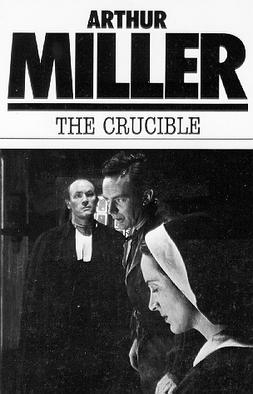
Context of composition
Miller composed the piece during a period of intense political repression in the United States known as McCarthyism. At that time, widespread anxiety about communism led to investigations, loyalty examinations, and public accusations that damaged many people’s careers and lives. Miller used the Salem story to reflect on how fear and institutional pressure can produce unjust outcomes.
Main themes
- Fear and hysteria — how communal panic can spread and override reason, a dynamic Miller associated with both 1692 Salem and 1950s America (fear).
- False accusation and reputation — characters are often judged on rumor or coerced testimony rather than clear evidence.
- Moral choice and integrity — the play examines whether individuals will protect their names and consciences when pressured to confess to crimes they did not commit.
- Authority and justice — it questions the motives and procedures of institutions that mete out punishment, echoing historical witch hunts and modern equivalents.
The title uses the word "crucible" in its metaphorical sense: a severe test or trial that reveals characters' true natures. Miller intended the play as an allegory for his own era, showing parallels between the mechanisms of the Salem prosecutions and those used against suspected communists in mid-20th-century America.
Reception and legacy
Since its first productions the play has remained a mainstay of theatrical repertoires and school curricula. It is frequently revived and studied for its exploration of social pressure, ethics, and the consequences of unchecked accusation. As both a historical drama and a political allegory, The Crucible continues to prompt discussion about how societies respond to perceived threats and the human cost of mass persecution.
Questions and answers
Q: What is "The Crucible"?
A: "The Crucible" is a play written by Arthur Miller in the 1950s about the Salem Witch Trials.
Q: When did Arthur Miller write "The Crucible"?
A: Arthur Miller wrote "The Crucible" during the time of McCarthyism in America.
Q: What was happening in America during the time when "The Crucible" was written?
A: Many people were afraid that communism would stop the American way of life, and some people falsely accused their enemies and even their friends of being communists.
Q: What themes does "The Crucible" explore?
A: "The Crucible" explores the ideas of fear and false accusation, which affected Arthur Miller during the time of McCarthyism.
Q: What is a crucible?
A: A crucible is a severe test or trial, which is exactly what happens in the play "The Crucible".
Q: Why did Arthur Miller name the book "The Crucible"?
A: Arthur Miller named the book "The Crucible" after the Salem Witch Trials because the events that took place during the time the play was written were very similar to the witch hunts.
Q: What was Miller's intention with "The Crucible"?
A: Miller intended "The Crucible" as an allegory to McCarthyism, to critique the false accusations and fear-mongering that was prevalent during that time.
Related articles
Author
AlegsaOnline.com Arthur Miller’s The Crucible: Salem Witch Trials as Allegory of McCarthyism Leandro Alegsa
URL: https://en.alegsaonline.com/art/97823