
The Coca-Cola Company
American multinational beverage company based in Atlanta, maker of Coca-Cola and many other drinks; publicly traded as KO and listed on the Dow Jones Industrial Average.
Overview
The Coca‑Cola Company is a multinational beverage corporation headquartered in Atlanta, Georgia. Best known for its flagship product Coca‑Cola, the company sells a wide portfolio of soft drinks, juices, water, sports drinks and other nonalcoholic beverages around the world. It is publicly traded under the ticker symbol KO and is included in major U.S. market indices such as the Dow Jones Industrial Average.
Image gallery
8 Images




Brands and products
The company operates through a large portfolio of brands. Product categories include carbonated soft drinks, water, juices, ready-to-drink teas and coffees, and sports and energy drinks. Notable brands commonly associated with the company include:
- Coca‑Cola and its sugar‑reduced variants
- Diet and zero‑calorie formulations
- Other global brands such as Sprite and Fanta
- Juice and dairy‑adjacent names, bottled water and ready‑to‑drink beverages
History and development
The drink that became Coca‑Cola was created in the late 19th century and the business expanded through franchise bottling and national marketing during the 20th century. Early owners and managers transformed a regional tonic into an international brand through advertising, distribution agreements and product innovation. Over time the company diversified its portfolio and entered new beverage categories to respond to shifting consumer tastes.
Business model and distribution
Rather than controlling every step of production and sale, the company largely produces beverage concentrates and syrups and sells them to independent and company‑owned bottlers, which handle manufacturing, packaging and distribution in local markets. This concentrate‑plus‑bottler model has been central to its global reach and local adaptability.
Marketing, cultural impact and ownership
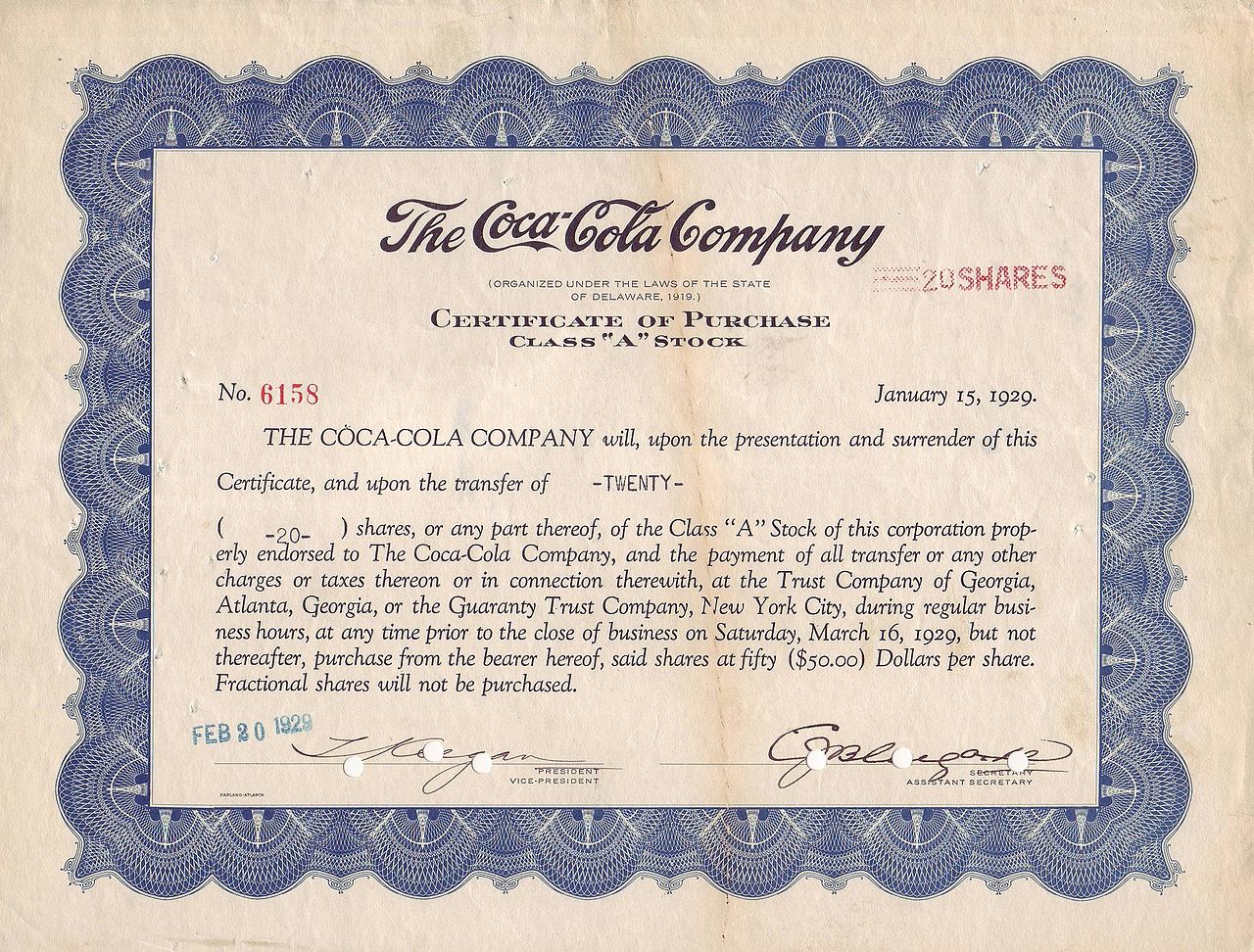
The Coca‑Cola Company is known for prominent global marketing campaigns and cultural associations tied to holidays, sport sponsorships and iconic imagery. Its shares are widely held by institutional and individual investors; among prominent shareholders and long‑term investors is Berkshire Hathaway, which has held a sizable stake as part of its investment portfolio.
Contemporary issues
In recent decades the company has navigated public debates over nutrition, sugar content, health effects of sweetened beverages, and environmental concerns such as packaging and water use. In response it has pursued product reformulation, smaller portion sizes, expanded low‑ and no‑calorie offerings, recycling initiatives and other sustainability programs while continuing to adapt marketing and product strategies to local markets.
Questions and answers
Q: Where is The Coca-Cola Company headquartered?
A: The Coca-Cola Company is headquartered in Atlanta, Georgia.
Q: Is The Coca-Cola Company a publicly-traded company?
A: Yes, The Coca-Cola Company is a publicly-traded company.
Q: What is the stock symbol for The Coca-Cola Company?
A: The stock symbol for The Coca-Cola Company is KO.
Q: Is The Coca-Cola Company on the Dow Jones Industrial Average?
A: Yes, The Coca-Cola Company is on the Dow Jones Industrial Average.
Q: Does Berkshire Hathaway hold a large portion of The Coca-Cola Company's stock?
A: Yes, Berkshire Hathaway holds a large portion of The Coca-Cola Company's stock.
Q: What industry is The Coca-Cola Company involved in?
A: The Coca-Cola Company is involved in the beverage industry.
Q: Where can I find financial information on The Coca-Cola Company?
A: Financial information on The Coca-Cola Company can be found on its website or through financial news outlets.
Related articles
Author
AlegsaOnline.com The Coca-Cola Company Leandro Alegsa
URL: https://en.alegsaonline.com/art/97782
Sources
- pdf.secdatabase.com : "Coca-Cola Company, Form 8-K, Current Report, Filing Date Feb 12, 2013"
- pdf.secdatabase.com : "Coca-Cola Company, Form 10-K, Annual Report, Filing Date Feb 23, 2012"