
The Birds of America — John James Audubon's landmark bird portfolio
A landmark early 19th-century illustrated survey of North American birds by John James Audubon, noted for its life-size hand-coloured plates, large double‑elephant folio format and lasting influence.
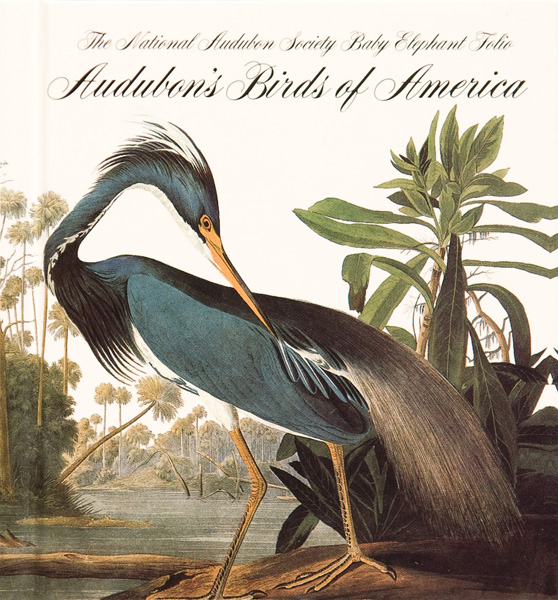
The Birds of America is the celebrated portfolio of life‑size bird illustrations produced by John James Audubon, a figure best known as a painter and naturalist. Conceived as a visually dramatic record of the continent's avifauna, the work combined field observation, specimen preparation and studio painting. Audubon's own biographical accounts describe long periods of travel, collecting and study that underpinned the plates.
Issued in parts by subscription between 1827 and 1838, the series was printed in Britain, with early work produced in Edinburgh and later stages completed in London. The complete project comprises 435 engraved plates portraying the birds of North America, many shown at actual size to convey scale and posture. The plates are most commonly associated with the United States but depict species found across the broader North American region, including coastal and migratory forms linked to the United States and neighbouring territories.
Image gallery
10 Images



Format, technique and collaborators
The Birds of America is famous for its very large format, commonly called the double elephant folio. Individual sheets measured roughly 39 by 26 inches and were produced from engraved metal plates; the prints were then finished by hand with watercolour and other tints. Copperplate engraving and aquatint techniques were used to translate Audubon's watercolours into reproducible impressions, and skilled hand‑colourists completed each sheet. Much of the engraving work for the British edition was carried out by specialists, including the Havell family, who helped transfer Audubon's compositions into printed form and supervised colour work. The combination of large scale, fine engraving and hand‑colouring gives the plates their distinctive appearance and technical value. See discussions of period engraving and printing for more on these methods.
Subjects, notable plates and extinction
Because the plates were life size, Audubon sometimes grouped small species together on a single sheet while depicting large birds singly. The portfolio includes portraits of familiar species and rare or now‑vanished birds. Several plates show species that later became extinct; among those commonly noted are:
- Carolina Parakeet
- Passenger Pigeon
- Labrador Duck
- Great Auk
- Esquimaux (Eskimo) Curlew
- Pinnated Grouse (Prairie Chicken)
The reasons for these losses are discussed in historical and conservation literature and include hunting, habitat destruction and changes in land use. Audubon's plates therefore serve both as artistic achievements and historical records of species distributions in the early 19th century.
Reception, influence and modern legacy
Contemporaries admired the work for its scale and dramatic compositions; it helped popularize ornithology and influenced later bird illustrators. The Birds of America occupies a prominent place in the history of natural history publishing and in cultural memory. Original sets and individual plates are prized by museums, libraries and private collectors worldwide and continue to attract scholarly attention for their scientific, artistic and historical dimensions. High‑profile sales and exhibitions have kept public interest alive, and facsimiles and modern reproductions have made the images more widely accessible.
At the same time, modern readers and historians examine Audubon's methods and context critically. His practice of collecting specimens by shooting was typical of the period but is viewed differently today; scholars also consider the colonial and social contexts of natural history during his lifetime. Interpretations of the work now span art history, ornithology and conservation science, and the plates are used to illustrate changes in species abundance and distribution over time.
For studies of Audubon's techniques, the history of bird illustration and the printing process consult resources on historical bird illustrations, the double‑elephant folio format and the practice of hand‑colouring in the 19th century. Collecting guides and institutional catalogues describe surviving sets and their provenance; collectors and institutions refer to the large sheets as double elephant folio plates in cataloguing and conservation work. The Birds of America remains a touchstone for discussions about art, science and the conservation of birdlife.
Researchers and readers seeking more context will find archival material, critical studies and reproductions in many libraries and museums, which preserve both original plates and documentary records related to the work's production and reception. Further resources on the subject and related bibliographies are available through specialist archives and natural history collections.
For information about Audubon's life and wider oeuvre, see biographies and online resources linked to the artist's name and career (biographical resources, Audubon overview). Technical discussions of engraving, plate production and colour work are available via resources on engraving and printing processes. Background on the geographical and ecological scope of the work can be found in natural history summaries covering the birds of North America and the history of ornithology in the United States. For collecting and exhibition practice consult references to Edinburgh and London publishing history and specialist notes on presentation and conservation of large folio sheets (folio terminology, illustration studies).
Questions and answers
Q: Who is the author of The Birds of America?
A: The author of The Birds of America is John James Audubon.
Q: What does the book include?
A: The book includes illustrations of a wide variety of birds of the United States.
Q: When was The Birds of America first published?
A: The Birds of America was first published between 1827 and 1838.
Q: In which cities was The Birds of America published?
A: The Birds of America was published in Edinburgh and London.
Q: What is the format of the illustrations in The Birds of America?
A: The illustrations in The Birds of America are hand-coloured, life-size prints made from engraved plates, measuring around 39 by 26 inches (99 by 66 cm).
Q: Are there any extinct birds featured in The Birds of America?
A: Yes, The Birds of America includes images of six birds that are now extinct: Carolina Parakeet, Passenger Pigeon, Labrador Duck, Great Auk, Esquimaux Curlew, and Pinnated Grouse.
Q: Why is The Birds of America significant?
A: The Birds of America is significant because it features illustrations of a wide variety of birds of the United States, including some that are now extinct. It is also notable for its hand-coloured, life-size prints made from engraved plates.
Related articles
Author
AlegsaOnline.com The Birds of America — John James Audubon's landmark bird portfolio Leandro Alegsa
URL: https://en.alegsaonline.com/art/97621
Sources
- web4.audubon.org : Birds of America By John James Audubon - Extinct Birds