
The Atlantic: history, scope, and influence of an American magazine
The Atlantic, founded in Boston in 1857 as The Atlantic Monthly, is a long‑running American magazine and multimedia publisher known for literature, essays, political analysis and cultural criticism.
Overview
The Atlantic is an American magazine and media publisher with origins in mid‑19th‑century literary life. Founded in 1857 in Boston as The Atlantic Monthly, it was created to offer serious fiction, poetry and essays alongside spirited commentary on the pressing social and political questions of the day. From its earliest pages the magazine engaged national debates, most notably discussions around the abolition of slavery, and set out to combine literary excellence with civic purpose.
Image gallery
4 Images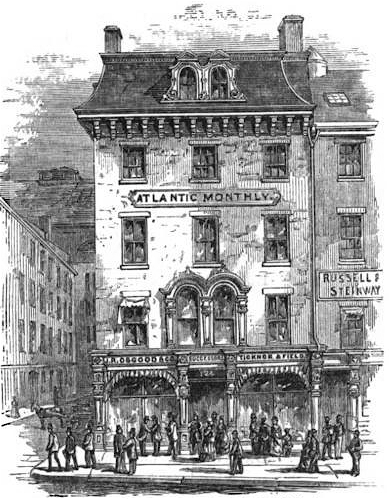


Founding and early history
The magazine was launched by Francis H. Underwood and a circle of writers and intellectuals who wanted a forum for ideas and letters. Early contributors and supporters included figures such as Ralph Waldo Emerson, Oliver Wendell Holmes Sr., Henry Wadsworth Longfellow, Harriet Beecher Stowe and John Greenleaf Whittier, while James Russell Lowell was its first editor. In its formative decades The Atlantic published original fiction and poetry alongside trenchant essays on education, reform and national policy, helping establish its reputation as a leading intellectual periodical.
Editorial scope and format
Although it began as a monthly literary magazine, The Atlantic has broadened into a multi‑platform publisher. Its traditional strengths are long‑form reporting, interpretive essays, criticism and narrative journalism, and it continues to run literary work and cultural commentary. Over time the magazine adapted to changing technologies and audiences by developing a substantial online presence, producing audio programs and hosting live events in addition to its print issues.
Typical sections and characteristics
Contemporary issues and the magazine's website commonly cover a mix of subjects. Regular areas of emphasis include:
- Politics and public policy analysis
- International affairs and diplomacy
- Science, technology and business reporting
- Culture, books, and arts criticism
- Personal essays, fiction and poetry
One persistent editorial hallmark is an emphasis on context and narrative: many pieces are longer, aiming to explain causes and consequences rather than only report events.
Impact and influence
The Atlantic has played a role in shaping American public discourse by publishing influential essays and by providing a platform for prominent writers, intellectuals and journalists. In the 19th century it was associated with reform movements and with introducing important literary voices; in later eras it became known for investigative reporting and in‑depth commentary that reached policymakers, academics and cultural leaders. Its back catalog is often cited in studies of journalism, literature and political history.
Distinctive aspects and recent developments
Two traits have distinguished The Atlantic across its long history: a fusion of literature with public‑interest journalism, and a preference for lengthy, interpretive pieces over brief breaking‑news items. Like many legacy publications, it has undergone changes in editorial leadership, business models and formats as publishing shifted to digital platforms, but it continues to emphasize ideas, narrative reporting and cultural criticism. The magazine now operates as a multimedia organization producing print issues, a robust website, podcasts, newsletters and occasional live programs.
Where to learn more
Readers seeking deeper historical detail can consult institutional archives, anthologies of magazine writing and scholarly accounts of American periodicals. The magazine's own retrospective essays and public archives held by libraries and research centers provide accessible starting points for exploring its founders, editorial evolution and role in American cultural life.
Questions and answers
Q: What is The Atlantic?
A: The Atlantic is an American magazine and publisher.
Q: When was The Atlantic created?
A: The Atlantic was created in 1857.
Q: What was the original name of The Atlantic?
A: The original name of The Atlantic was The Atlantic Monthly.
Q: What was the focus of The Atlantic Monthly?
A: The Atlantic Monthly was a literary and cultural commentary magazine that published famous writers' opinions on important issues in politics, such as the abolition of slavery and education.
Q: Who were some of the creators of The Atlantic Monthly?
A: The creators of The Atlantic Monthly included Francis H. Underwood and famous writers Ralph Waldo Emerson, Oliver Wendell Holmes Sr., Henry Wadsworth Longfellow, Harriet Beecher Stowe, and John Greenleaf Whittier.
Q: Who was the first editor of The Atlantic?
A: James Russell Lowell was the first editor of The Atlantic.
Q: What was The Atlantic known for publishing?
A: The Atlantic was known for publishing literary works by leading writers.
Related articles
Author
AlegsaOnline.com The Atlantic: history, scope, and influence of an American magazine Leandro Alegsa
URL: https://en.alegsaonline.com/art/97536
Sources
- abcas3.auditedmedia.com : "eCirc for Consumer Magazines"
- theatlantic.com : "Historical Facts About The Atlantic"
- britannica.com : "The Atlantic | History, Ownership, & Facts"
- theatlantic.com : "Against Donald Trump"
- theatlantic.com : "Impeach Donald Trump"
- foxnews.com : The Atlantic calls for impeachment as mainstream media continues to lead charge against Trump
- businessinsider.com : "'Impeach': The Atlantic's March cover makes the case for Trump's impeachment"