
The Art of War: Sun Tzu’s Classic on Strategy and Leadership
An overview of The Art of War, its structure, historical background, core principles, influence on military and civilian fields, and resources for further reading and translations.
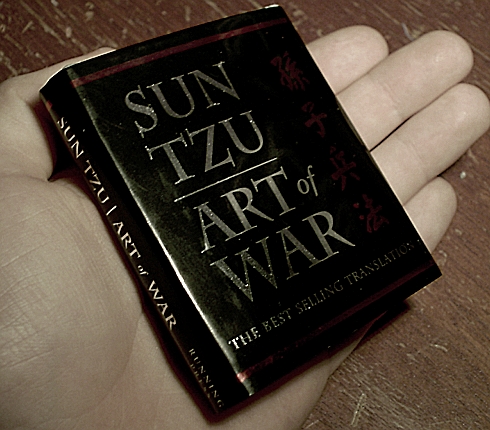
The Art of War is a concise ancient Chinese manual on strategy and command traditionally attributed to the military leader and thinker Sun Tzu. Known in Chinese as 孫子兵法 and rendered in pinyin as Sūnzĭ bīngfǎ, the work distills principles intended to help commanders plan, adapt, and win with minimum cost. Written in terse aphorisms and short paragraphs, its advice ranges from battlefield tactics to leadership, intelligence, and the psychology of opponents.
Image gallery
7 Images



Structure and main themes
The text is divided into thirteen chapters, each treating a specific aspect of warfare. Together they form a compact handbook that balances practical considerations with strategic philosophy. Topics include the calculation of strength, the use of spies, the importance of terrain, and ways to exploit timing and deception.
- Initial calculations — assessing conditions and making plans.
- Waging war — costs, logistics and economic effects.
- Strategic attack — priorities in defeating an opponent.
- Tactical dispositions — positioning and preparedness.
- Energy — managing forces and momentum.
- Weaknesses and strengths — exploiting opportunities.
- Maneuvering — movement and formation choices.
- Variation in tactics — adapting to changing conditions.
- Army on the march — logistics, scouting and camp discipline.
- Terrain — classification and strategic implications.
- Nine situations — different operational environments.
- Attack by fire — use of environment as a tool.
- Use of spies — intelligence and secrecy.
Core principles
Key ideas include the primacy of planning, the value of flexibility, the use of deception to mislead an opponent, and the avoidance of costly direct confrontation when alternatives exist. Emphasis on morale, information, and timing reflects a view of conflict as both material and psychological. The text repeatedly advises commanders to adapt their plans to changing circumstances rather than to follow rigid recipes.
Historical background and transmission
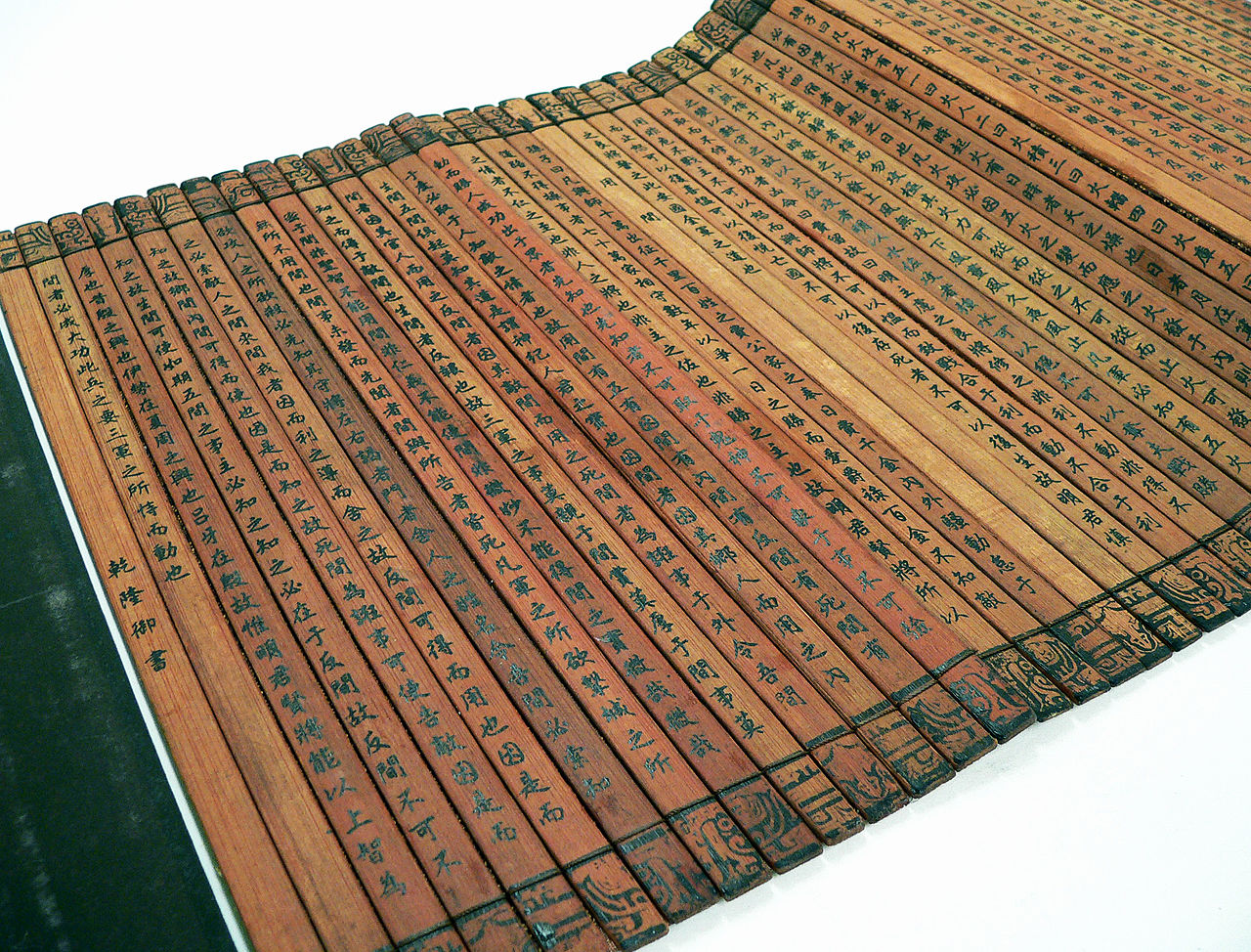
Scholars traditionally date the work to the late Spring and Autumn or early Warring States periods of ancient China (roughly the 5th century BCE), though aspects of its composition and later editing are debated. Early copies were written on bamboo slips and later copied and transmitted throughout East Asia. A manuscript tradition preserved examples in China, Korea and Japan; one of the earliest surviving copies outside China dates to Japan in the eighth century. European interest grew after Jesuit translators rendered the work into French in the 18th century, and later into English and other languages.
Uses, influence and distinctions
While originally a manual for military commanders, The Art of War has been applied to diplomacy, business strategy, legal negotiation, sports coaching and personal leadership. Its influence stems from its concise style, which encourages interpretation and adaptation across contexts. It is distinct from technical treatises that focus on weaponry or drill; instead it privileges strategy, information, and the minimization of conflict cost. Modern militaries, academic programs and corporate strategists continue to study its maxims.
Further reading and resources
- Summary of military themes
- Tactical and strategic concepts
- Textual traditions
- About Sun Tzu (traditional attribution)
- Historical role of commanders
- Strategy and philosophy
- Philosophical background
- Warfare in ancient China
- Bamboo slip manuscripts
- Bookbinding and transmission
- Reception by statesmen
- Use by military leaders
- Translation history
- Introduction to Japanese readings
- Influence in Korea
- Early Japanese manuscript
- 18th‑century French translation (Amiot)
- Notable English translations
- Russian reception
- Cultural transmission notes
- Modern educational use
The Art of War remains valued for its pithy, often aphoristic advice, which can be read both as a military manual and as a broader guide to conflict, competition, and leadership. Readers are encouraged to consult multiple translations and commentaries to appreciate its brevity and the range of possible interpretations.
Questions and answers
Q: What is The Art of War?
A: The Art of War is an ancient Chinese military text written by Sun Tzu, a high-ranking military general, strategist and Taoist philosopher. It contains 13 chapters that each cover one aspect of warfare.
Q: When was The Art of War written?
A: The Art of War was written over 2,500 years ago.
Q: How was the book originally written?
A: The book was originally written on bamboo slats that were sewn together.
Q: Who read the book in its early days?
A: In its early days, the book was read by politicians, scholars and military leaders.
Q: Where did translations first appear outside China?
A: Translations of the book were first read in Japan and Korea.
Q: When did it first get translated into English?
A: The first translation into English was published by Lionel Giles in 1910.
Q: When did it get translated into Russian for the first time?
A: The Art of War was first translated into Russian in 1950.
Related articles
Author
AlegsaOnline.com The Art of War: Sun Tzu’s Classic on Strategy and Leadership Leandro Alegsa
URL: https://en.alegsaonline.com/art/97531
Sources
- ancientmilitary.com : "Sun Tzu and The Art of War"
- history.com : "The Art of War"
- time.com : "Sun Tzu's Art of War: How Ancient Strategy Can Lead to Modern Success"
- ancient.eu : "Sun-Tzu"