
The 300 Spartans (1962 film)
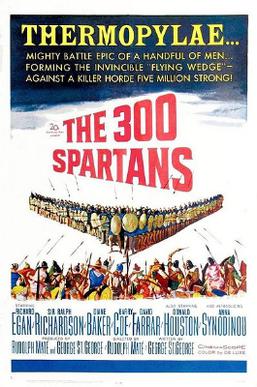
A 1962 Cinemascope historical epic about the Battle of Thermopylae, starring Richard Egan, Ralph Richardson and David Farrar. Covers production, historical basis, themes, and legacy.
The 300 Spartans is a 1962 Cinemascope historical epic that dramatizes the stand of Spartan-led Greek forces at the pass of Thermopylae. The film centers on King Leonidas I and the small Spartan contingent whose resistance against a much larger Persian army became a symbol of sacrifice and collective courage. While shaped for popular audiences, the picture draws on the broad outlines of the ancient story and presents it as a moral and military drama.
Image gallery
4 Images

Cast and production
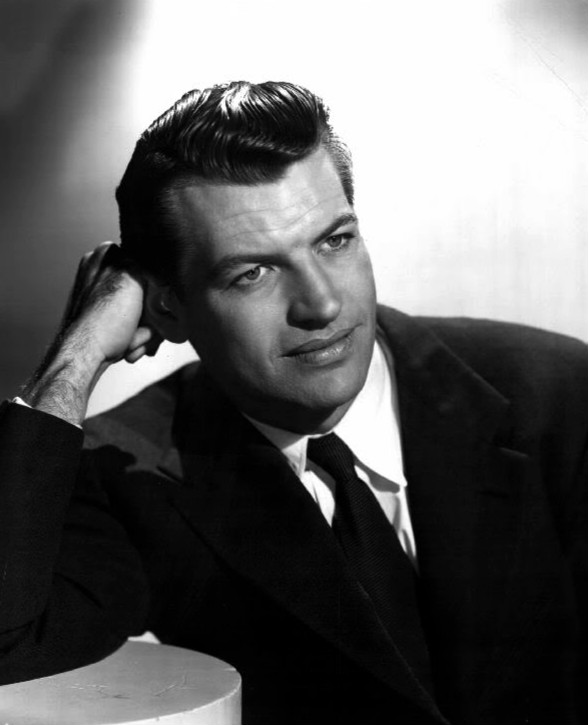
The principal cast includes Richard Egan as King Leonidas, Ralph Richardson as the Athenian leader Themistocles, and David Farrar as the Persian monarch Xerxes. Diane Baker and Barry Coe appear in a romantic subplot that the screenplay uses to add civilian stakes to the battlefield action. The film was shot on location in Greece, largely in the Peloponnese village of Perachora; production notes record that the modern shoreline and landscape at the actual pass had changed substantially, which made shooting at the historical site impractical.
Historical basis and dramatization
The movie is based on the historical engagement fought in 480 BCE, when a coalition of Greek city-states, led in the narrative by Spartan forces, delayed a much larger Persian invading army. Filmmakers condensed and altered events and characters for dramatic clarity: the historically complex alliances, varying troop numbers and political motives are simplified. The film emphasizes themes of duty, honor and collective resistance rather than attempting a rigorous documentary reconstruction.
Production details and staging
To realize the scale of the opposing forces, the production employed thousands of extras; contemporary accounts mention that up to 5,000 members of the Royal Hellenic Army participated on loan to portray both Greek and Persian contingents. The widescreen Cinemascope format and large-scale set pieces aim to convey the epic sweep of the confrontation, while costume and set design are rooted in mid-20th-century cinematic conventions for antiquity rather than strict archaeological accuracy.
Themes, interpretation and reception
On its release, critics and commentators often read the film through contemporary political concerns. Some reviewers saw parallels between the Spartans' refusal to yield and 20th-century narratives of resistance, including interpretations linking the story to Cold War-era anxieties and rhetoric. Audiences responded to the film as an action-driven moral fable about self-sacrifice and leadership, though modern viewers and historians note its clear departures from detailed historical scholarship.
Legacy and notable facts
- The film helped popularize the Thermopylae episode for mid-20th-century audiences and contributed to recurring cinematic depictions of the clash between small defenders and vast invaders.
- Because the actual coastal geography at Thermopylae had shifted, the production filmed at Perachora; sources mention the sea had receded roughly three miles from the ancient pass, making authentic staging difficult.
- Its blend of personal drama, heroic tableau and large-scale extras is characteristic of historical epics of the era and influenced later retellings of the same event in different styles and media.
For readers seeking more context on the real battle, its participants and the larger Greco-Persian wars, studies of classical history provide a fuller, more nuanced account than any single film can convey.
Questions and answers
Q: What is the 300 Spartans movie about?
A: The movie is about a force of Greek warriors led by 300 Spartans fighting against an enormous Persian army and refusing to flee or surrender.
Q: Who stars in the 300 Spartans movie?
A: Richard Egan plays the Spartan king Leonidas I, Ralph Richardson plays Themistocles of Athens, David Farrar plays Persian king Xerxes, and Diane Baker and Barry Coe play the romantic leads.
Q: Where was the 300 Spartans movie shot?
A: The movie was shot in the village of Perachora in the Peloponnese.
Q: What was the commentary on the Cold War that critics saw in the 300 Spartans movie?
A: The commentary on the Cold War was not specified in the given text.
Q: Why was it impossible to shoot the 300 Spartans movie at Thermopylae?
A: It was impossible to shoot at Thermopylae because the sea had receded about 3 miles farther away from the narrow pass.
Q: Who portrayed the Spartans and Persians in the 300 Spartans movie?
A: Some 5,000 members of the Royal Hellenic Army were loaned by the King of Greece to portray both the Spartans and the Persians.
Q: When was the 300 Spartans movie released?
A: The 300 Spartans movie was released in 1962.
Related articles
Author
AlegsaOnline.com The 300 Spartans (1962 film) Leandro Alegsa
URL: https://en.alegsaonline.com/art/97448