
Thalassaemia: causes, types, diagnosis, treatment and prevention
An accessible overview of thalassaemia — a hereditary blood disorder affecting haemoglobin — covering causes, classification, clinical features, diagnosis, treatment options and public-health measures.
Thalassaemia (also spelled thalassemia) is an inherited blood disorder that reduces the production of functional haemoglobin, the oxygen-carrying protein in red blood cells. The condition ranges from a mild, often undetected carrier state to a severe, life-limiting anemia that requires lifelong medical care. For background on genetic conditions, see genetic disorder.
Image gallery
8 Images




Causes and biological mechanism
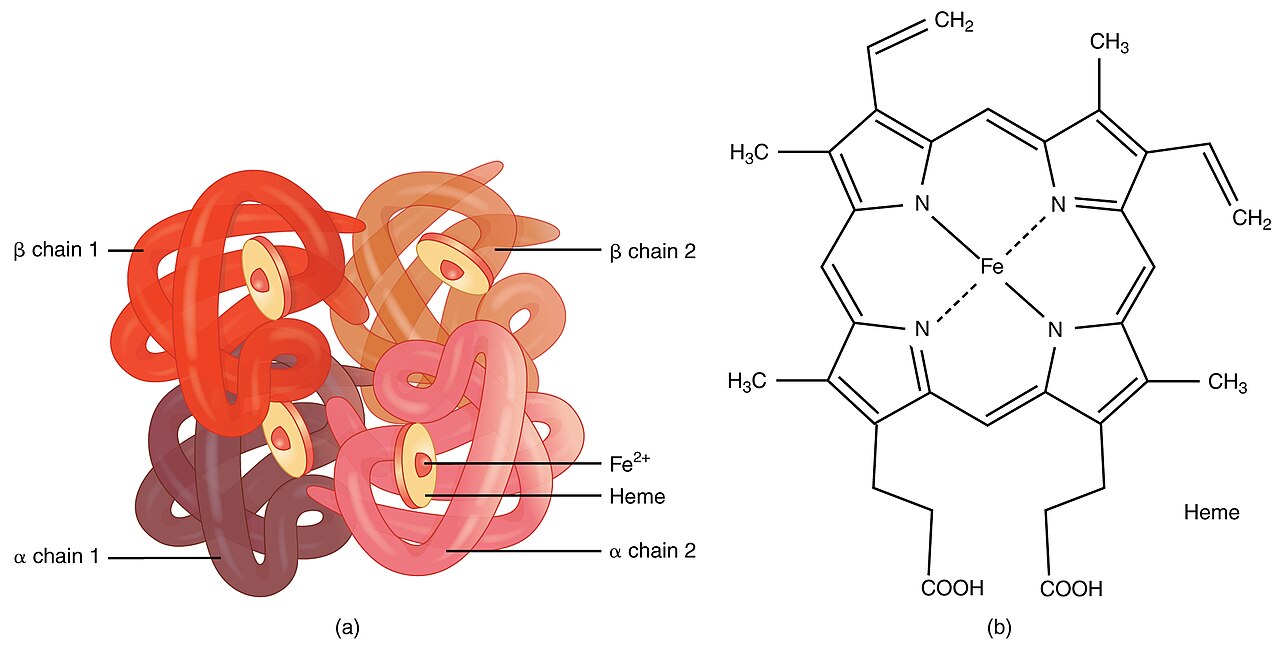
Thalassaemia arises from mutations in the genes that direct haemoglobin synthesis. Different mutations affect different parts of the haemoglobin molecule and the balance of its chains; broadly speaking, clinicians distinguish between alpha and beta thalassaemias depending on which globin chain is involved. Mutant and missing gene copies reduce haemoglobin production, which in turn lowers the number and quality of circulating red blood cells and causes anemia. The role of mutated genes is discussed further at mutant genes.
Types and inheritance
Individuals may carry one abnormal gene (a carrier or heterozygote) or two abnormal copies. Carrier status often causes little or no symptoms but can pass the trait to offspring. More severe forms occur when a person inherits two problematic copies. Different specific mutations occur at distinct positions in the genome; for summaries of such variation see genetic position. Carriers and affected people are described in genetic terms at heterozygous documents.
Clinical features and complications
Symptoms depend on severity. Mild cases produce modest fatigue and mild anemia, while severe forms cause profound anemia, growth delay in children, jaundice and enlarged spleen. Recurrent infections (including chest infections) and complications such as bone deformities and cardiovascular problems can occur. Iron overload is a common secondary complication caused by repeated blood transfusions or increased intestinal iron absorption. Thalassaemia also has historical importance because the carrier state confers some protection against malaria, which helps explain its distribution in parts of the world where malaria was or is endemic; see malaria relationship.
Diagnosis
- Routine blood counts and blood smear to detect small, pale red cells and low haemoglobin.
- Haemoglobin electrophoresis or high-performance liquid chromatography to identify abnormal haemoglobin types.
- DNA testing to identify specific mutations when needed, and prenatal tests in at-risk couples.
- Specialised clinical assessments to monitor iron load and organ function.
Treatment and management
Management is tailored to severity. Regular transfusions and iron chelation therapy are mainstays for severe disease; supportive care includes folic acid and infection prevention. A definitive cure is possible for some patients through bone marrow or stem cell transplantation from a compatible donor, though this requires an HLA-matched transplant and carries significant risks. For details on transplant options see bone marrow transplant and the requirement for a compatible HLA-matched donor. Experimental approaches such as gene therapy are under development.
Distribution, prevention and public health
Thalassaemia is most common in parts of the Mediterranean, the Middle East, South and Southeast Asia, and parts of Africa. Its geographic pattern reflects the interplay between genetics and historical malaria exposure; the disorder likely originated and became common in some populations for that reason. See regional context at Mediterranean origin. Public-health measures include carrier screening, genetic counselling, prenatal diagnosis, and newborn testing to reduce the burden of severe disease.
Comparison and notable facts
Thalassaemia is one of several inherited haemoglobin disorders and has features in common with sickle-cell disease, another hereditary condition affecting haemoglobin; for comparison see sickle-cell disease. The basic pathological process—reduced haemoglobin and red cell abnormalities—leads to anemia and related complications; more on red-cell damage is available at red blood cell destruction. Complications such as pneumonia may arise in affected individuals; see infection risks. For practical advice on family planning and carrier testing consult resources linked at anemia and management and genetic counselling services referenced at genetic disorder.
Questions and answers
Q: What is thalassaemia?
A: Thalassaemia is a genetic disorder of the blood which originated in the Mediterranean region. This disease is caused by the weakening and destruction of red blood cells due to mutant genes that affect how the body makes haemoglobin.
Q: What are some complications associated with thalassaemia?
A: Complications associated with thalassaemia can include pneumonia, iron overload, bone deformities and cardiovascular illness.
Q: How does thalassemia give protection against malaria?
A: Carriers of thalassemia have a selective survival advantage for carriers (known as heterozygous advantage) which helps keep the mutation in populations way above its mutation rate. This gives them protection against malaria, which is or was common in regions where this trait is common.
Q: Are there different versions of thalassaemia?
A: Yes, there are a number of different versions of thalassaemia each one caused by a mutation in a different position in the genome. It resembles another genetic disorder affecting haemoglobin, sickle-cell disease.
Q: Is it possible to cure patients with thalassaemia?
A: Yes, it is possible to cure patients with thalassaemia through bone marrow transplants from compatible donors who have an HLA-matched compatible donor.
Related articles
Author
AlegsaOnline.com Thalassaemia: causes, types, diagnosis, treatment and prevention Leandro Alegsa
URL: https://en.alegsaonline.com/art/97356
Sources
- accessmedicine.com : accessmedicine.com/content.aspx?aID=6123722
- mayoclinic.com : mayoclinic.com/health/thalassemia/DS00905/DSECTION=complications
- bloodjournal.hematologylibrary.org : HLA-matched sibling bone marrow transplantation for β-thalassemia major