
Textile arts: materials, techniques, history and cultural importance
An overview of textile arts — fibers, methods, historic trade and industrial change, cultural meaning, and contemporary uses in craft, design, and technology.
The term textile arts covers creative and functional practices that turn animal, plant or synthetic matter into fabrics, coverings and objects. Historically this field bridges fine arts and practical crafts, using a wide variety of raw materials and spinning, binding or interlacing fibres to produce cloth and other goods. The resulting textiles have served everyday needs and ceremonial roles since the dawn of settled societies and early civilization.
Image gallery
10 Images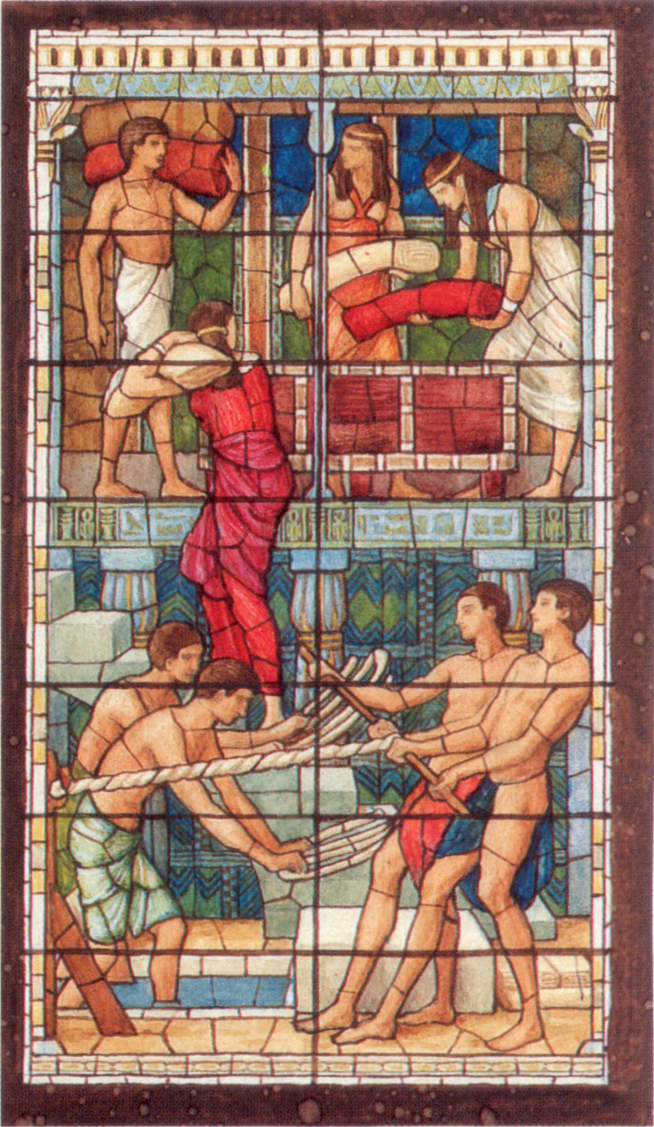

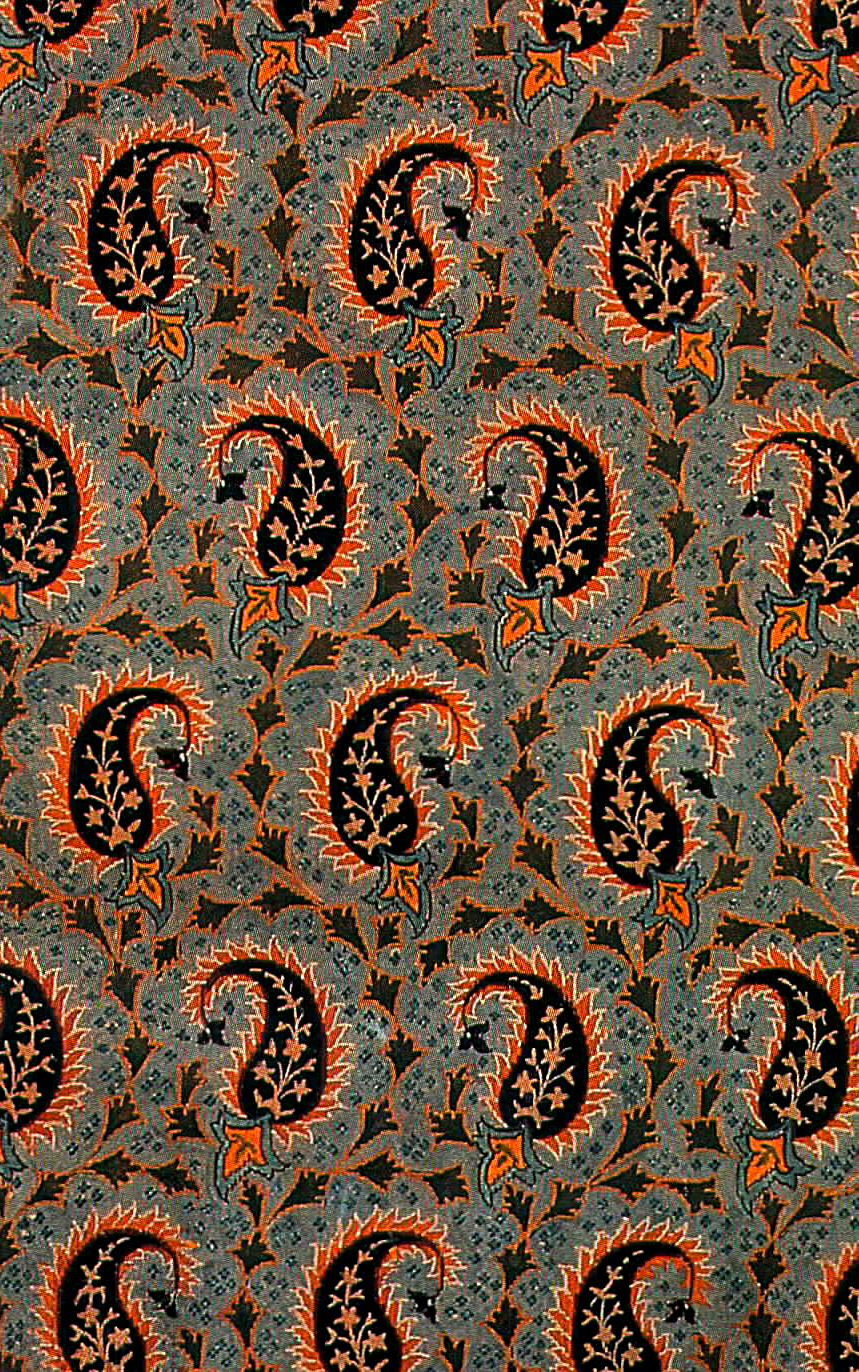



Characteristics and common techniques
Textile work is defined by its methods and the physical properties of fibers: strength, length, elasticity and surface. Common techniques include weaving, knitting, crocheting, felting, braiding, netting, and surface decoration such as embroidery and printing. Dyers and finishers alter color and texture. Typical fiber sources are plant-based (cotton, flax), animal (wool, silk), and man-made (nylon, polyester); each demands specific handling and tools. Simple looms, spindles and needles coexist with industrial machines to form a spectrum of practice.
Brief history and trade
The development of textiles is closely tied to exchange networks and technological change. Colorants and luxury materials were drivers of trade: ancient Mediterranean economies prized Tyrian purple produced from sea snails (Tyrian purple), while long-distance routes like the Silk Road distributed Chinese goods and ideas. Chinese sericulture produced prized silk that reached markets in India, North Africa and Europe. Across many eras, regulators imposed sumptuary laws limiting who could wear certain fabrics and colors as markers of status.
Industrialization and social effects
The Industrial Revolution transformed production. Inventions such as the cotton gin, the spinning jenny and the power loom mechanized tasks once done by hand, greatly increasing output and lowering costs. These shifts provoked social resistance in some quarters, notably the Luddite movement, which protested the displacement of skilled artisans.
Uses, cultural roles and modern developments
Textiles serve many domains: clothing, shelter, ritual objects, flags, tapestries and domestic furnishings. Beyond aesthetic and practical uses, textiles now include technical fabrics for aerospace, medical devices and environmental engineering, as well as textile art that explores identity and memory. Contemporary designers blend traditional craftsmanship with digital fabrication and sustainable materials to address fashion's environmental impacts.
Notable distinctions and preservation
- Fine textiles vs. utilitarian textiles: distinctions often rest on technique, material rarity and intended use.
- Conservation of historic textiles requires knowledge of fibers, dyes and mounting methods to prevent deterioration.
- Regional styles and motifs encode social information—dress can signal status, profession or community affiliation.
Studying textile arts reveals intersections of technology, economy and culture. Museums and makers both preserve old methods and innovate new forms, ensuring textiles remain a living, evolving field of human creativity.
Further reading and resources: overview of textile arts, craft practices, historical materials, fiber identification guides at fiber resources, museum collections of textiles, antiquities and early civilization studies, trade histories at trade networks, and dye histories like Tyrian purple. Learn about the Silk Road, Chinese sericulture and silk exchange to India, North Africa and Europe, social clothing rules (sumptuary law), the Industrial Revolution and key inventions like the cotton gin, spinning jenny and power loom, as well as labor responses such as the Luddite protests.
Questions and answers
Q: What are textile arts?
A: Textile arts are arts and crafts that use plant, animal, or synthetic fibers to construct practical or decorative objects.
Q: How long have textiles been used?
A: Textiles have been used since the beginning of civilization.
Q: What was the importance of Tyrian purple dye?
A: Tyrian purple dye was important in the ancient Mediterranean.
Q: What is the history of textile arts also the history of?
A: The history of textile arts is also the history of international trade.
Q: What did the Silk Road bring to other countries?
A: The Silk Road brought Chinese silk to India, North Africa, and Europe.
Q: Why were laws controlling who could buy and wear fine textiles implemented?
A: Laws controlled who could buy and wear fine textiles because they were a symbol of social class and status in many countries.
Q: What started a revolution in textile technology?
A: The Industrial Revolution started a revolution in textile technology, including the development of the cotton gin, the spinning jenny, and the power loom to mechanize production.
Related articles
Author
AlegsaOnline.com Textile arts: materials, techniques, history and cultural importance Leandro Alegsa
URL: https://en.alegsaonline.com/art/97318