
Tempera: traditional egg-based paint and its uses
Tempera, often called egg tempera, is a fast-drying paint made by mixing pigments with a water-soluble binder (commonly egg). Used for panel painting, icons, and manuscripts, distinct from student 'tempera' poster paints.
Overview
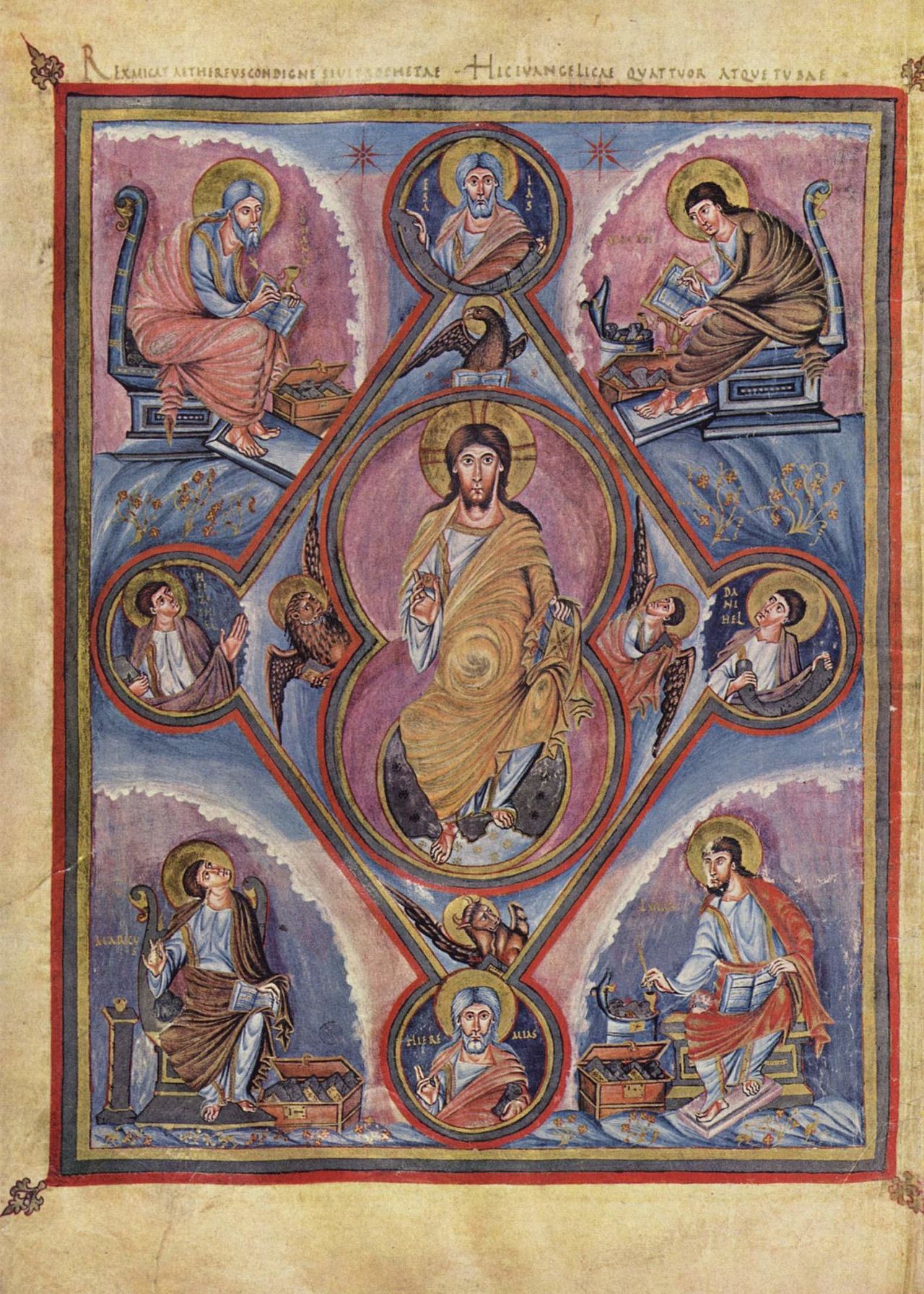
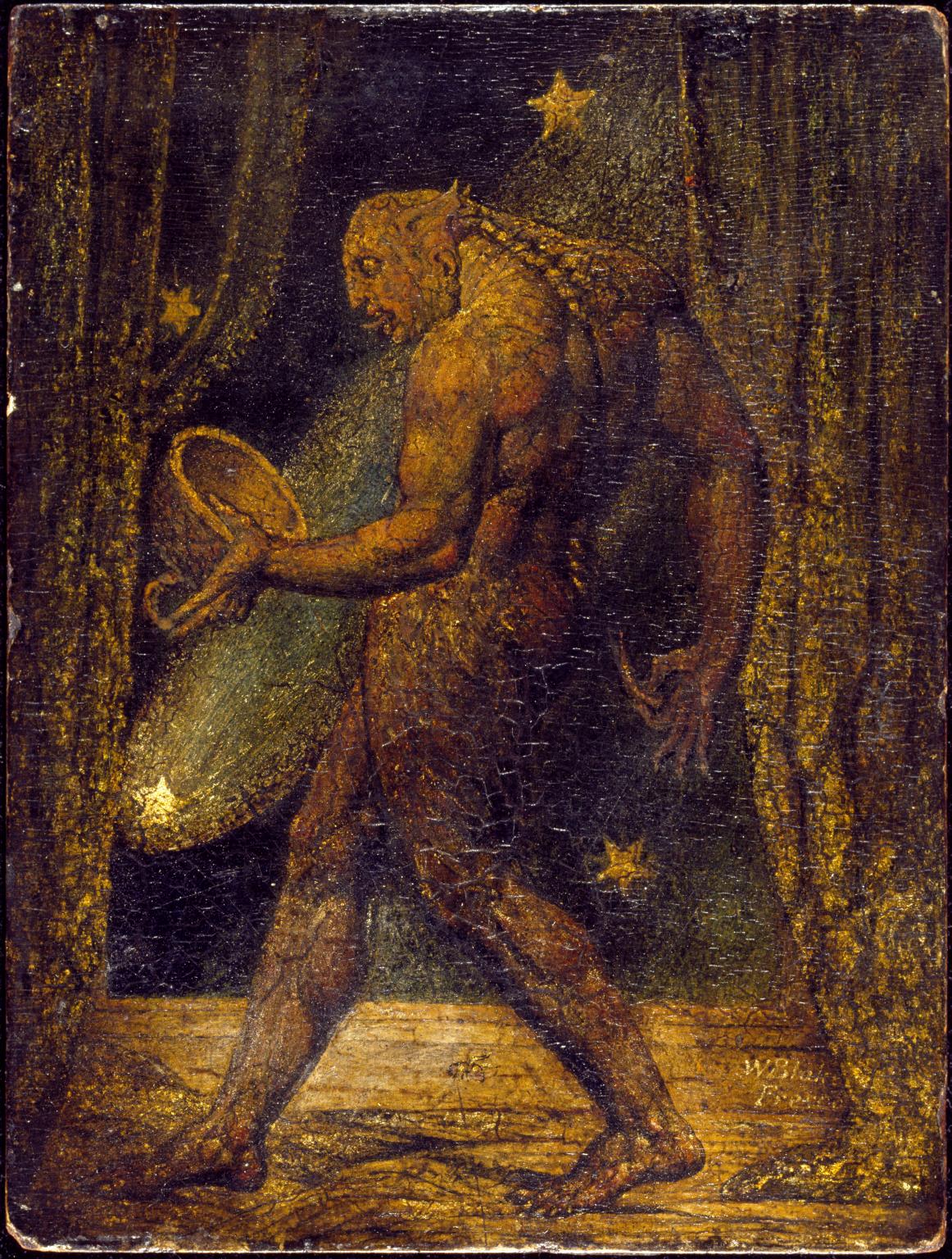
Tempera, frequently referred to as egg tempera, is a painting medium in which finely ground pigment is mixed with a water-soluble binder—most classically the yolk of an egg. The resulting paint dries quickly to a hard, matte film. Tempera has been a principal medium for panel painting and for decorating illuminated manuscripts in many historical traditions and remains the preferred medium for some religious icons within the Orthodox practice.
Image gallery
10 Images





Composition and technique
Traditional tempera is prepared by grinding pigments to a fine powder, then blending them with egg yolk and a little water. Artists may add tiny amounts of other substances to adjust flow or drying. Because it dries so rapidly, tempera is applied in thin, semi-opaque or transparent layers and built up by hatching or cross-hatching rather than by the wet blending used with oil paint. Tempera is best used on rigid, properly prepared supports—most commonly wooden panels coated with a smooth gesso ground.
History and development
Tempera has ancient roots and was widely used across Europe, the Mediterranean and Near East for centuries. It was the dominant technique for panel painting and manuscript illumination until oil-based paints gained prominence for large-scale easel painting. Even after oil became widespread, tempera continued in religious and devotional art and experienced periodic revivals among modern artists interested in its distinctive surface qualities.
Characteristics and practical considerations
- Appearance: matte, luminous, and capable of very fine detail.
- Working properties: fast drying, requires quick, deliberate strokes and layering.
- Durability: long-lasting when kept on a stable, rigid support and protected from extreme humidity.
- Limitations: not well suited to flexible canvases unless special grounds and supports are used.
Uses, examples, and modern context
Historically used for devotional panels and manuscript pages, tempera remains valued for icon painting and by some contemporary painters who appreciate its clarity and fine control. In schools and hobby contexts, many products labeled "tempera" are actually opaque water-based poster paints or gouache-style formulations, which differ in binder and handling from traditional egg tempera. For technical and conservation information, readers can consult specialist sources and museum literature on artist's paint technology and the practices of the Byzantine world.
Distinctions and notable facts
While the term "tempera" is used loosely in commercial and educational settings, the historic technique—pigment bound in egg—remains distinct in materials and appearance. Some artists combine tempera with oil in hybrid approaches, but pure egg tempera continues to be prized for detail, surface clarity, and its historical associations.
Questions and answers
Q: What is tempera?
A: Tempera is a type of artist's paint that was used for panel painting and illuminated manuscripts in the Byzantine world and the Middle Ages in Europe.
Q: What was tempera replaced by?
A: Tempera was replaced by oil painting as the most popular medium for large paintings.
Q: What is tempera still used for?
A: Tempera is still used for Orthodox icons.
Q: Do modern painters use tempera?
A: Yes, some modern painters use tempera.
Q: What is ordinary poster paint sometimes called?
A: Ordinary poster paint is sometimes called tempera by some manufacturers.
Q: Is poster paint really tempera?
A: No, poster paint is not really tempera. It is a different type of paint called gouache.
Q: What was tempera's main use in the Middle Ages in Europe?
A: Tempera's main use in the Middle Ages in Europe was for panel painting and illuminated manuscripts.
Related articles
Author
AlegsaOnline.com Tempera: traditional egg-based paint and its uses Leandro Alegsa
URL: https://en.alegsaonline.com/art/96903