
Tarapacá Region (I Region) — northern Chilean region centered on Iquique
Tarapacá is a sparsely populated, arid region in northern Chile. Known for its port city Iquique, desert landscapes, mining legacy and borderland history, it was established in its current form in 2007.
Overview
The Tarapacá Region, formally the I Region of Chile, occupies a strip of the country’s far north and is dominated by desert and coastal landscapes. Its largest city and administrative centre is Iquique, a historic port with commercial and tourist functions. The modern region was created by a law passed in 2007 and began functioning as a separate administrative unit later that year; this reorganization divided the older, larger Tarapacá territory to form the present-day region.
Image gallery
5 Images


Geography and environment
Tarapacá lies between the Pacific coast and the high Andes, featuring a stark transition from coastal plains to the Pampa and then to elevated plateaus. Much of the territory is part of the Atacama Desert, one of the driest places on Earth, but the region also includes salt flats and Andean wetlands at higher altitudes. The coastal zone supports the ports, fishing activities and beach tourism, while inland areas contain sparse settlements, desert scrub and remnants of historic industrial sites.
History and identity
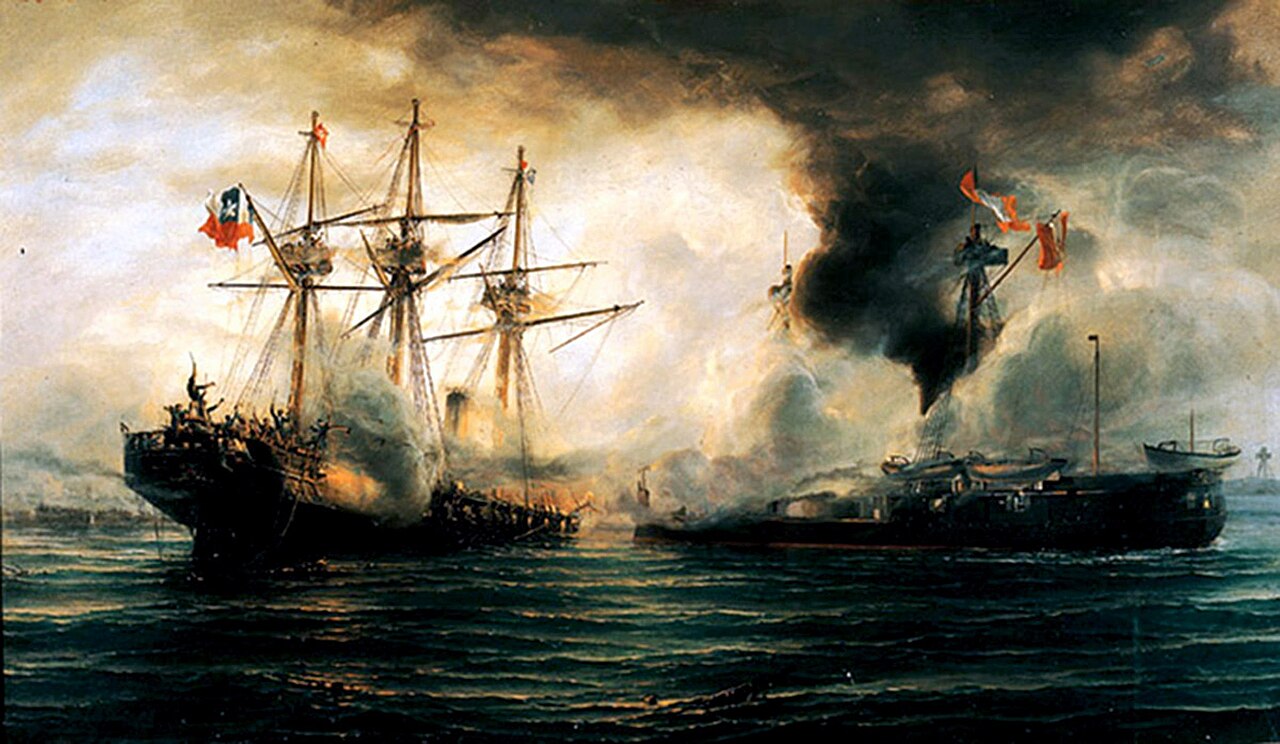
The area that is now Tarapacá has a long pre‑Hispanic and colonial history with indigenous Aymara and other Andean cultures, later influenced by Spanish rule and the 19th‑century nitrate economy. Control of the region changed during conflicts in the late 19th century, after which it became part of Chile. Twentieth‑century changes in the mining industry led to the decline of some saltpeter towns; several of these abandoned works are preserved as industrial heritage.
Economy, culture and uses
Contemporary Tarapacá combines port commerce, fishing, services, tourism and mining. Iquique hosts a free economic zone and serves as the commercial hub for northern Chile. Visitors come for coastal recreation, paragliding from coastal cliffs, and to visit historic nitrate works and desert landscapes. Indigenous culture remains an important element in local identity and festivals.
Administration and notable places
Administratively the region is divided into provinces and municipalities; its seat of government is in the port city referenced earlier. For governance and statistical purposes the region is one of Chile’s first‑order administrative divisions. Key places include the city of Iquique and towns in the inland plateau; sources of further official information include regional government pages and national records on administrative divisions (regional name reference, country overview, administrative division).
- Capital: Iquique (administrative centre)
- Major port: Iquique port facilities
- Notable heritage: preserved saltpeter towns and desert sites
For practical travel, economic or historical research about the region consult official regional publications and travel resources that focus on northern Chile and the Atacama corridor.
Questions and answers
Q: How many administrative divisions does Chile have?
A: Chile has 15 first order administrative divisions.
Q: When was the Tarapacá Region created?
A: The Tarapacá Region was created in 2007.
Q: What was the former Tarapacá Region subdivided under?
A: The former Tarapacá Region was subdivided under Law 20.175.
Q: When did the Tarapacá Region become operational?
A: The Tarapacá Region became operational on 8 October 2007.
Q: What is the capital of the Tarapacá Region?
A: The capital of the Tarapacá Region is the port city of Iquique.
Q: What is the Tarapacá Region?
A: The Tarapacá Region is one of Chile's 15 first order administrative divisions.
Q: How is the Tarapacá Region different from its former self?
A: The Tarapacá Region is different from its former self because it has been subdivided under Law 20.175.
Related articles
Author
AlegsaOnline.com Tarapacá Region (I Region) — northern Chilean region centered on Iquique Leandro Alegsa
URL: https://en.alegsaonline.com/art/96362