
Talca Province (Maule Region, Chile)
Talca Province is a central Chilean province in the Maule Region whose capital is the city of Talca; known for agriculture, education, and seismic history.
Overview: Talca Province occupies a central position within the Chilean region of Maule. Administratively part of the larger Maule Region, it is one of several provincial subdivisions and has as its principal city Talca, a regional hub for government, education and commerce. The province is often referenced in Spanish as Provincia de Talca.
Image gallery
5 Images

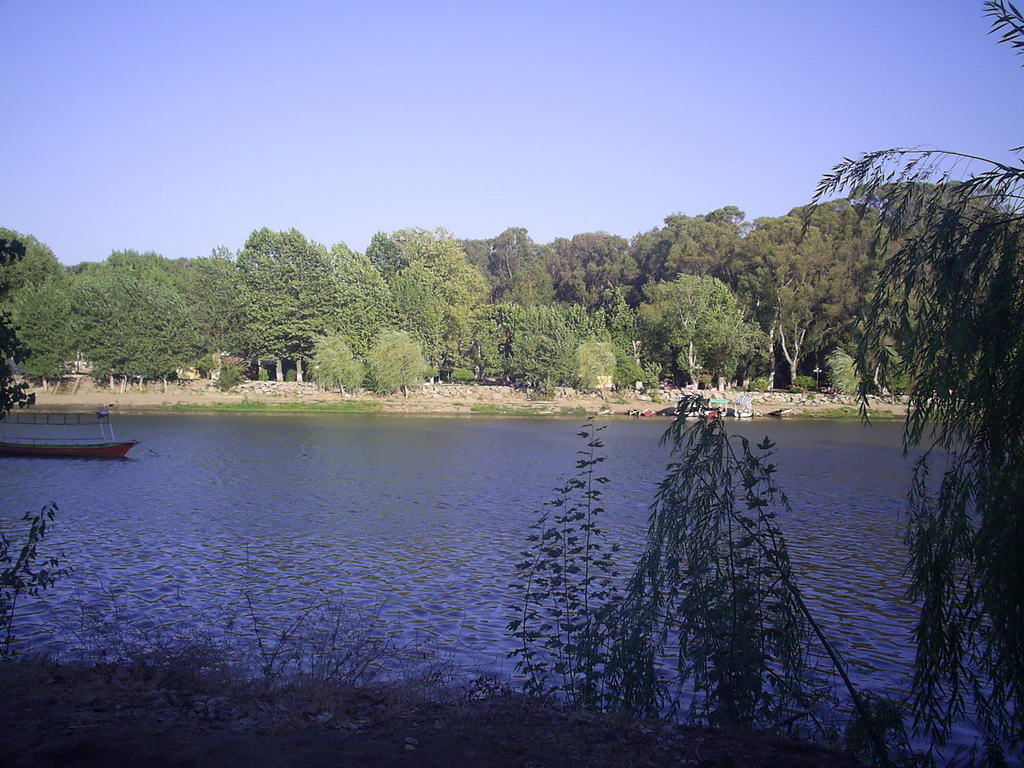
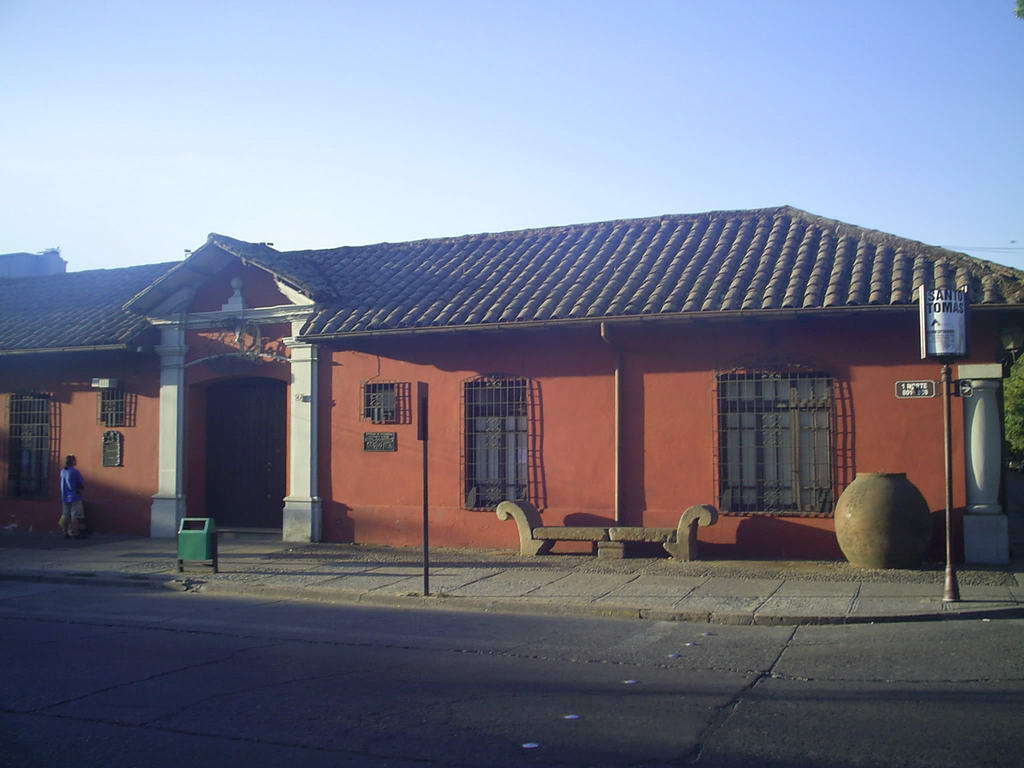

Geography and climate
Stretching from the inland valleys toward the Andean foothills, the province includes agricultural plains, river valleys and rising terrain to the east. Its climate is typically Mediterranean in the lowlands—dry summers and wet winters—while higher elevations experience cooler temperatures and more precipitation. The layout of roads and railways connects the province to other central Chile corridors.
Administration and population
Talca Province is one of the administrative provinces that make up the provinces of the region often identified as VII. The provincial capital, Talca, is the largest urban center and serves as the focal point for municipal services, higher education institutions and regional health care. The province is organized into multiple communes that handle local governance and municipal services.
Economy, culture and uses
The province's economy is strongly tied to agriculture: vineyards, orchards, cereals and livestock occupy much of the arable land. A mix of food processing, light industry and commercial activity in Talca city supports the rural economy. Cultural life reflects central Chilean traditions—folklore, agricultural fairs and local cuisine—while universities and technical centers in Talca contribute to research and workforce training.
History and notable facts
Human presence in the area predates the Spanish colonial period, and the province developed through colonial settlement, agricultural expansion and infrastructure linking the interior to the coast. Talca and its surroundings have also been affected by significant seismic events in modern times, shaping building practices and emergency planning. Visitors come for regional wineries, rural landscapes and cultural festivals that showcase the province's heritage.
- Administrative center: Talca.
- Region association: Maule (VII).
- Spanish name: Provincia de Talca.
- Context: one of several provinces in central Chile.
Questions and answers
Q: What is Talca Province?
A: Talca Province is one of four provinces of the central Chilean region of Maule (VII).
Q: What is the capital and largest city of Talca Province?
A: The capital and largest city of Talca Province is Talca.
Q: What region is Talca Province located in?
A: Talca Province is located in the central Chilean region of Maule (VII).
Q: How many provinces are there in the central Chilean region of Maule (VII)?
A: There are four provinces in the central Chilean region of Maule (VII).
Q: What is the official language of Talca Province?
A: The official language of Talca Province is Spanish.
Q: What is the significance of Talca Province in Chile?
A: Talca Province is one of several important regions in Chile known for its agriculture and wine production.
Q: What other regions in Chile are known for their agriculture and wine production?
A: Other regions in Chile known for their agriculture and wine production include Colchagua, Maule, and Curico.
Related articles
Author
AlegsaOnline.com Talca Province (Maule Region, Chile) Leandro Alegsa
URL: https://en.alegsaonline.com/art/96105
Sources
- gobernaciontalca.gov.cl : "Conozca al Gobernador"
- inemaule.cl : "Región de Maule"