
Battle of Worcester (1651) — final engagement of the English Civil Wars
The Battle of Worcester (3 September 1651) was the decisive defeat of Charles II's mainly Scottish Royalist force by Oliver Cromwell's New Model Army, ending large‑scale fighting in the English Civil Wars.
Overview
The Battle of Worcester, fought on 3 September 1651, marked the last major pitched battle of the series of conflicts commonly grouped as the English Civil War. Oliver Cromwell led the disciplined Parliamentarian army against a Royalist force largely composed of Scottish troops and supporters of King Charles II. The action took place around the cathedral city of Worcester in England, and it decided the immediate fate of the Stuart monarch and the prospects for further organized resistance.
Image gallery
7 Images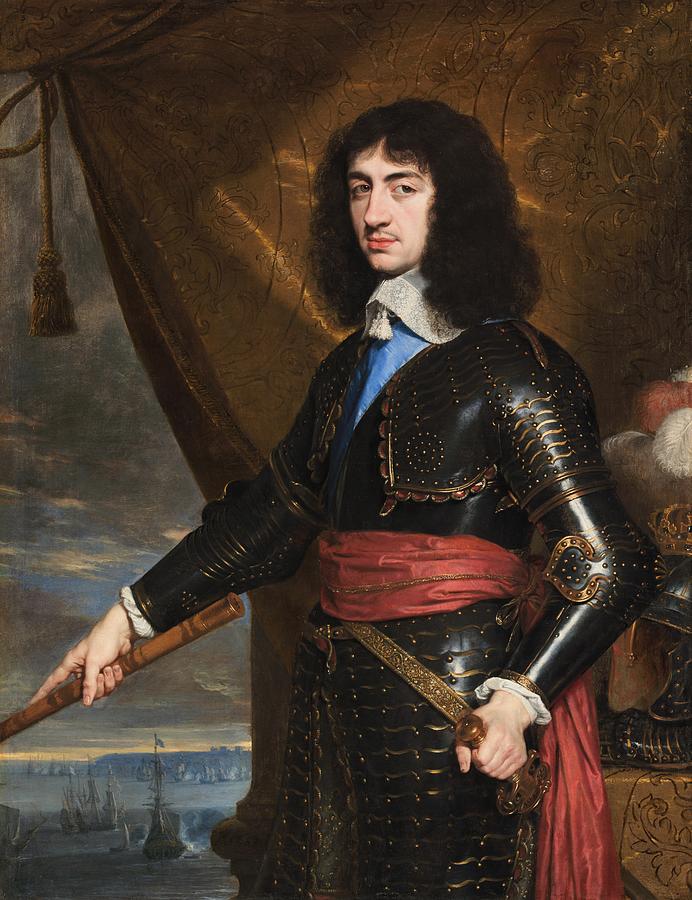


Forces, terrain, and preparations
Cromwell's New Model Army advanced with a numerical advantage and high cohesion; contemporary accounts and later histories commonly note that Royalist numbers were substantially smaller and less well coordinated. Worcester sits where several rivers and ridges give natural defensive ground; Royalist commanders used the urban approaches and waterways to anchor their lines but were stretched thin defending a long front. The New Model Army combined infantry, cavalry and artillery in concerted attacks to exploit weak points.
Course of the battle
The fight opened with probing attacks and cavalry engagements that forced Royalist detachments back from forward positions. Parliamentarian troops conducted coordinated assaults on Worcester's outworks and made several flanking moves to roll up defenses. After sustained pressure, Royalist resistance collapsed in the late afternoon and evening; many fighters were captured or routed. Charles II escaped the field and undertook the now-famous flight into hiding that culminated in his eventual escape to the continent.
Aftermath and significance
The outcome effectively ended large‑scale Royalist attempts to restore the king by force. Cromwell's victory consolidated Parliamentary control of the British Isles for the decade that followed and led to the imprisonment or dispersal of many Royalist units. Several thousand combatants were taken prisoner; some were detained locally and others were sent abroad. The defeat delayed any restoration of the monarchy until 1660.
Notable facts and distinctions
- The New Model Army's organization and discipline were decisive factors in the victory.
- The battle is often treated as the closing action of the civil wars, distinguishing it from earlier engagements in the 1640s.
- Charles II's subsequent escape and concealment became a widely recounted episode in popular memory.
For further reading on the broader conflict and key personalities, see materials linked under the entries for the English Civil War, Oliver Cromwell, the Parliamentarians, the role of the Scottish forces, King Charles II, the city of Worcester, and the political geography of England.
Questions and answers
Q: What was the Battle of Worcester?
A: The Battle of Worcester was the last battle of the English Civil War fought in September 1651.
Q: Who won the Battle of Worcester?
A: The Parliamentarians led by Oliver Cromwell won the Battle of Worcester.
Q: Who were the forces opposing each other at Battle of Worcester?
A: The Royalist forces, which were mostly Scottish, were led by King Charles II, whereas the Parliamentarians were led by Oliver Cromwell.
Q: How many Royalist forces took part in the Battle of Worcester?
A: Around 16,000 Royalist forces took part in the Battle of Worcester.
Q: How many soldiers did the New Model Army have during the Battle of Worcester?
A: The New Model Army of Cromwell was around 28,000 strong during the Battle of Worcester.
Q: What was the outcome of the Battle of Worcester?
A: The battle ended in favor of the Parliamentarians, which was a turning point in the English Civil War, and King Charles II had to flee the country to avoid being captured by Cromwell's army.
Q: Who led the Parliamentarians during the Battle of Worcester?
A: The Parliamentarians were led by Oliver Cromwell during the Battle of Worcester.
Related articles
Author
AlegsaOnline.com Battle of Worcester (1651) — final engagement of the English Civil Wars Leandro Alegsa
URL: https://en.alegsaonline.com/art/9588