
Battle of Valcour Island (Lake Champlain, October 1776)
Tactical naval action on Lake Champlain in 1776 where an improvised American fleet under Benedict Arnold delayed a superior British force, shaping the course of the Revolutionary War in the north.
Overview
The Battle of Valcour Island was a naval engagement fought on October 11, 1776, on Lake Champlain. The action, often called the Battle of Valcour Bay, took place in the narrow strait between the New York mainland and Valcour Island. It is regarded as one of the earliest significant naval fights in the American Revolutionary War. Although the contest ended with heavy American losses, the encounter imposed a strategic delay on the British advance into the interior.
Image gallery
10 Images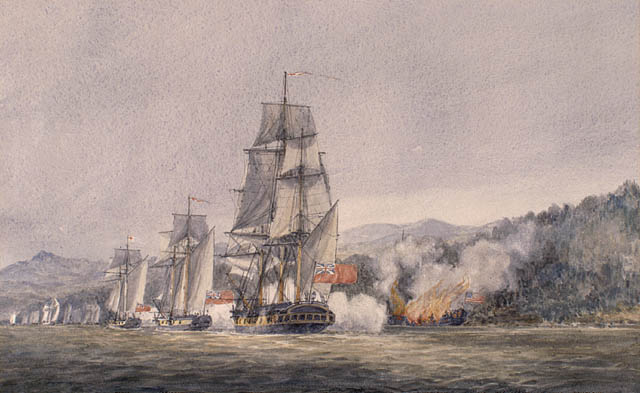



Opposing forces and vessels
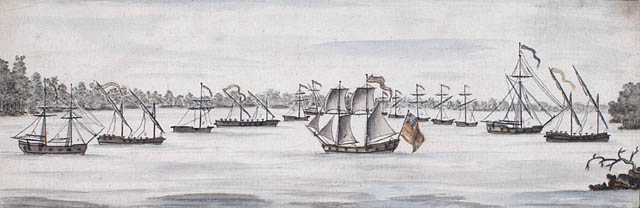
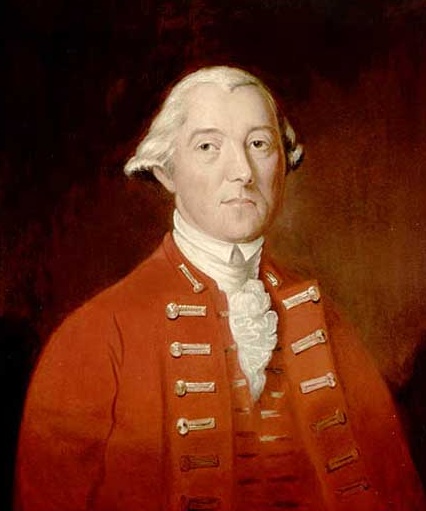
The American flotilla was assembled rapidly from small warships, gundalows and armed schooners built or refitted during the summer at Fort Ticonderoga and nearby shipyards. Commanded by Benedict Arnold, the American force was outmanned and outgunned by a combined British naval and land expedition led on the lake by officers serving under General Guy Carleton. The British contingent included seasoned Royal Navy personnel and larger, better-armed vessels supplied and crewed for lake service.
The tactical situation and geography
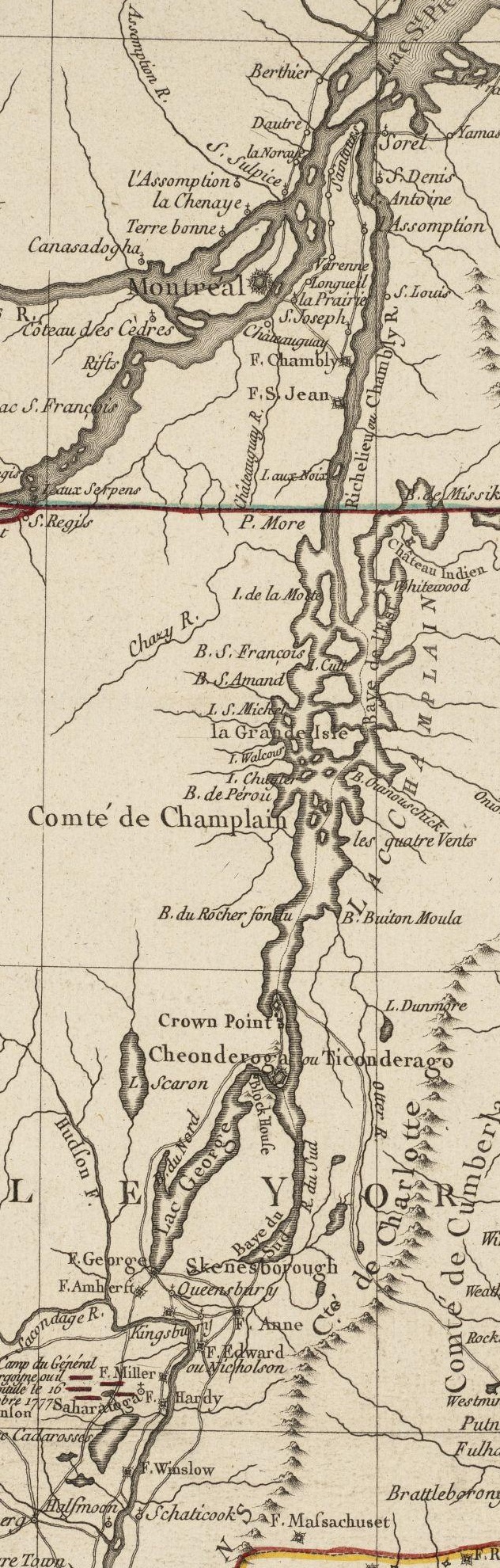
Valcour Bay is a constricted channel whose shoals and islands could be used defensively to offset superior firepower. Arnold chose the position deliberately to limit the British fleet's maneuvering room and to make it difficult for large vessels to bring their advantages to bear. The strait and its shoals are sometimes described simply as a narrow strait off the coast of New York, and the island and channel became the scene of intense close-range fighting.
The engagement
On October 11 the two squadrons engaged in a day-long fight. American crews fought tenaciously, using the local waters and smaller craft to harass and damage British ships. Despite determined resistance and clever defensive positioning, many American vessels were badly damaged or destroyed. Under cover of nightfall and adverse weather, Arnold managed a difficult withdrawal that allowed several of his ships to escape further south toward Fort Ticonderoga and Quebec-theater supply lines—although some were subsequently lost, captured, or burned to prevent capture.
Consequences and significance
Although the British won control of Lake Champlain after the battle, they failed to complete a timely advance into the upper Hudson Valley before the onset of winter. That delay gave the Continental Army time to shore up defenses and contributed to the strategic conditions that led to later American successes. Several individuals who served in the campaign went on to notable naval careers; British officers present later achieved higher rank in the Royal Navy. The encounter is often studied as a case in which a smaller, improvised force imposed a disproportionate strategic effect.
Aftermath, artifacts and commemoration
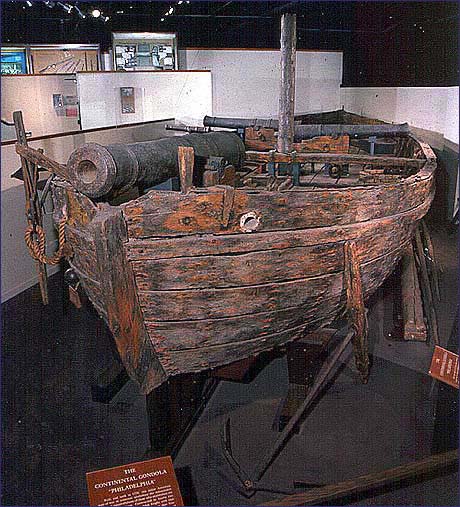
The shallow waters preserved remains of 18th‑century craft, and a number of wrecks and relics have been investigated or recovered in the 20th and 21st centuries. For example, one American vessel that sank in the battle was raised in the 20th century and is associated with museum interpretation, while another hull, discovered and identified decades later, is listed on national historic registers. The battle site around Valcour Bay has been recognized for its historic importance and is part of modern preservation work.
- Notable commanders: Benedict Arnold (American), British officers including Thomas Pringle, James Dacres, Edward Pellew and John Schank are often associated with the campaign in contemporary and later accounts.
- Important sites: Fortifications at Fort Ticonderoga and supply posts on Valcour Island were central to operations.
- Historic finds: The tugging legacy of the battle includes reported salvage or discovery events in the 20th century relating to craft such as the Philadelphia (salvage) and other hulls listed on registers (Spitfire).
Today the Battle of Valcour Island is remembered not only for its immediate tactical episode but for its broader strategic impact: by delaying the British campaign and shaping the northern theater, it helped set conditions that affected the course of the war.


Questions and answers
Q: What was the Battle of Valcour Island also known as?
A: The Battle of Valcour Island was also known as the Battle of Valcour Bay.
Q: When did the battle take place?
A: The battle took place on October 11, 1776 on Lake Champlain.
Q: Who commanded the British force during the battle?
A: General Guy Charleton commanded the British force during the battle.
Q: What had happened to most of ships on Lake Champlain before the battle?
A: Most of ships on Lake Champlain had been either taken or destroyed before the battle.
Q: Where did Benedict Arnold take American vessels during that night?
A: Benedict Arnold took American vessels past British vessels during that night and toward Crown Point and Ticonderoga.
Q: Who became admirals in Royal Navy after this battle?
A: Thomas Pringle, James Dacres, Edward Pellew and John Schank became admirals in Royal Navy after this battle.
Q: When was USS Philadelphia risen from ocean after sinking in this naval war?
A: USS Philadelphia was risen from ocean in 1934 after sinking in this naval war on October 11th.
Tags
Related articles
Author
AlegsaOnline.com Battle of Valcour Island (Lake Champlain, October 1776) Leandro Alegsa
URL: https://en.alegsaonline.com/art/9581
Sources
- books.google.com : A Naval History of the American Revolution, Volume 1
- worldcat.org : 2613121
- worldcat.org : 48003125
- worldcat.org : 965281
- worldcat.org : 41397623
- worldcat.org : 255396879
- worldcat.org : 47213837
- worldcat.org : 844299
- worldcat.org : 52359702
- worldcat.org : 63178925
- books.google.com : Our Struggle for the Fourteenth Colony, vol 2
- worldcat.org : 259236
- worldcat.org : 4807930
- worldcat.org : 1476727
- lcbp.org : "Fact Sheet #3"