
Syrian Americans
Americans of Syrian descent: history of migration, settlement patterns, demographic traits, cultural contributions, and notable distinctions from early arrivals to modern communities.
Overview
Syrian Americans are people in the United States who trace their ancestry to Syria or who hold Syrian nationality and have settled in the country. The group includes recent arrivals, naturalized citizens, and multi‑generation families whose forebears immigrated decades or more ago. As with other immigrant communities, identity may combine language, religion, regional origin within Syria, and American civic life.
Image gallery
10 Images




History of migration
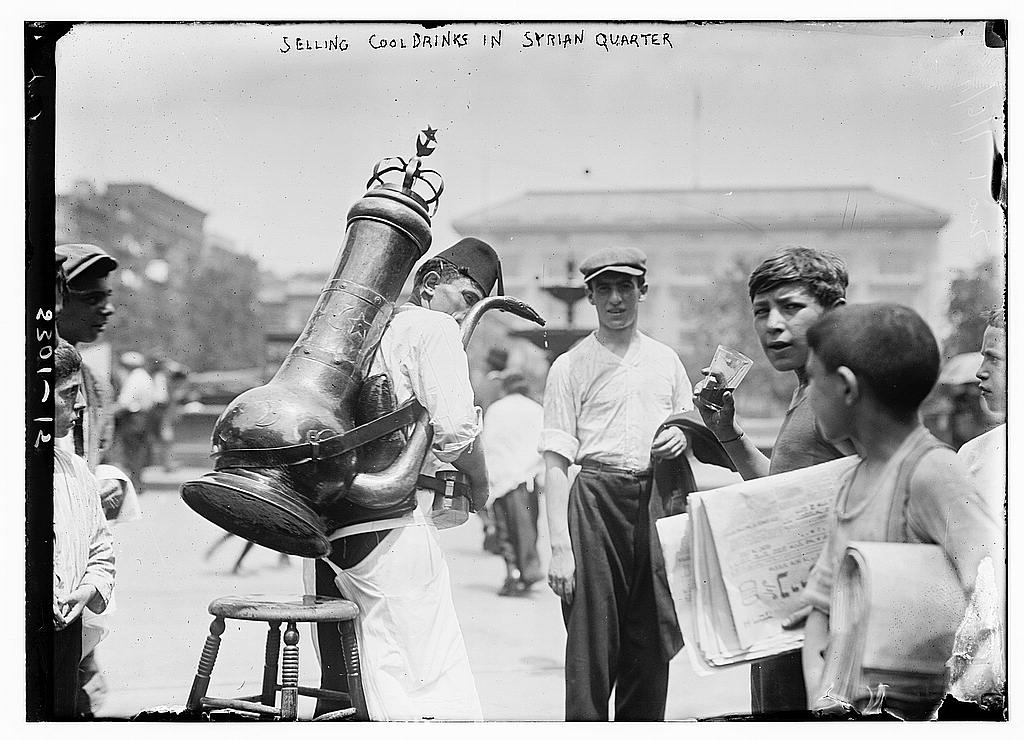
Large-scale Syrian migration to the United States began in the late 19th century, with many early arrivals coming in the 1880s. Early communities often settled in northeastern industrial cities and port towns; notable centers included New York, Boston, and Detroit. Migration slowed sharply after the passage of restrictive immigration laws in the 1920s, when the U.S. Congress enacted policies that limited arrivals from many regions. The Immigration and Nationality Act of 1965 later removed national origin quotas, and Syrian immigration increased again during the latter half of the 20th century.
Demographics and settlement
Between the 1960s and 2000, thousands of Syrians entered the United States; some estimates suggest tens of thousands arrived in that period. Census tabulations around 2000 identified over 140,000 people reporting Syrian ancestry, representing an important portion of the wider Arab American population. Early waves included a high proportion of Christian migrants alongside Jewish and Muslim Syrians; later arrivals broadened the religious and regional mix of the community.
Characteristics and community life
Syrian American communities are diverse in language use, religious practice, and socioeconomic status. Common features include the retention of Arabic in homes and religious institutions, culinary traditions such as mezzes and bakery goods, and communal organizations that support new immigrants. Many Syrians have established small businesses, professional practices, and churches or mosques that serve as social hubs.
Contributions and cultural influence
Syrian Americans have contributed to commerce, the arts, academia, and public life. Their entrepreneurial activities helped shape neighborhoods and local economies, while cultural traditions—music, literature, and cuisine—have become part of the broader American cultural landscape. Second and later generations often combine professional assimilation with active preservation of heritage through festivals, language schools, and cultural centers.
Notable distinctions and current considerations
Distinctive aspects of the Syrian American experience include early Christian‑majority migration waves, subsequent diversification by religion and region of origin, and changing migration drivers—from economic opportunity to political upheaval and refugee flows in recent years. Contemporary issues for Syrian Americans include the integration of recent refugees, maintaining cultural continuity, and civic participation. Communities remain connected to developments in Syria through family ties, remittances, and transnational networks.
Common settlement areas and community institutions
- Major cities and suburbs in the Northeast and Midwest, with historic enclaves in New York, Boston, and Detroit.
- Religious institutions (churches, mosques, synagogues) that provide social services and cultural programs.
- Small businesses, restaurants, and professional services that reflect Syrian culinary and commercial traditions.
The Syrian American community is varied and evolving: shaped by historical immigration policy, religious and regional diversity, and ongoing ties to both American society and Syrian heritage. For more detailed historical and demographic resources, see primary census reports and studies of Arab American populations (United States statistical sources).
Questions and answers
Q: Who are Syrian Americans?
A: Syrian Americans are citizens of the United States with ancestry or nationality from Syria.
Q: When did Syrian immigrants first arrive in the US in large numbers?
A: Syrians first arrived in the US in large numbers in 1880.
Q: In which cities did many of the earliest Syrian Americans settle?
A: Many of the earliest Syrian Americans settled in New York, Boston, and Detroit.
Q: What made immigration from Syria to the US difficult after the Immigration Act of 1924?
A: The Immigration Act of 1924 made immigration from Syria to the US difficult by imposing quotas.
Q: When did immigration from Syria to the US increase again?
A: Immigration from Syria to the US increased again after the Immigration Act of 1965 removed quotas.
Q: What was the religious makeup of Syrian immigrants to the US before and after 1965?
A: Most Syrian immigrants to the US before 1965 were Christian, while after 1965, Muslim Syrians arrived mostly.
Q: What percentage of the Arab population in the US has an ancestry in Syria?
A: According to the US 2000 Census, about 12% of the Arab population in the US has an ancestry in Syria, which means 142,897 Americans are of Syrian ancestry.
Related articles
Author
AlegsaOnline.com Syrian Americans Leandro Alegsa
URL: https://en.alegsaonline.com/art/95706
Sources
- census.gov : U.S. Census Bureau: Population by Selected Ancestry Group and Region: 2005
- utica.edu : "Lebanese and Syrian Americans"
- census.gov : "Immigrants, by Country of Birth: 1961 to 2005"
- census.gov : "The Arab Population: 2000"
- danielpipes.org : "Greater Syria: Another Lion Roars in the Middle East"
- everyculture.com : "Syrian Americans"
- census.gov : "We the People of Arab Ancestry in the United States"