
Swordsmanship: History, Techniques, and Cultural Practice
Comprehensive overview of swordsmanship covering definitions, core techniques, historical development, training, uses in warfare and sport, and distinctions between martial and sporting practice.
Swordsmanship is the art and practice of fighting with a sword. In its broadest sense it describes the skills and methods used by a swordsman to control blade, body and tempo. The label is used today both for historical martial systems and for modern sporting forms such as Olympic fencing and historical European martial arts (HEMA).
Image gallery
10 Images


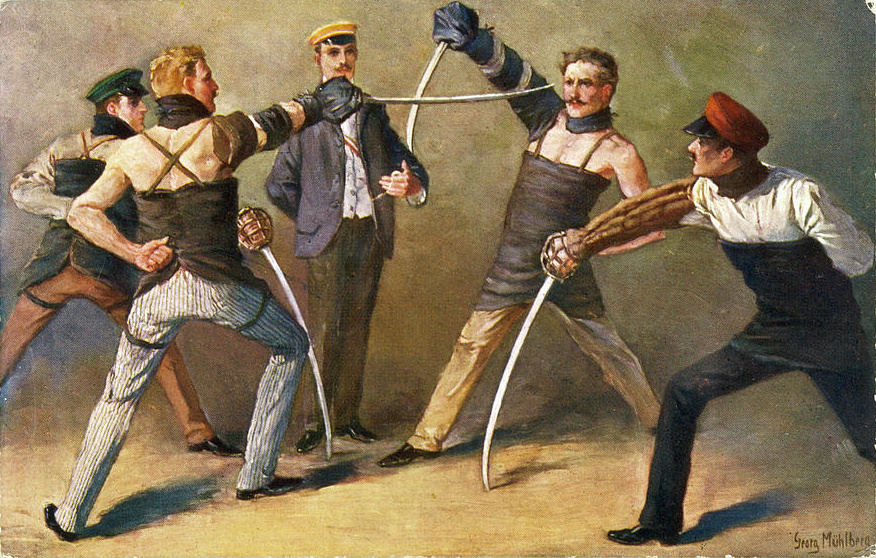
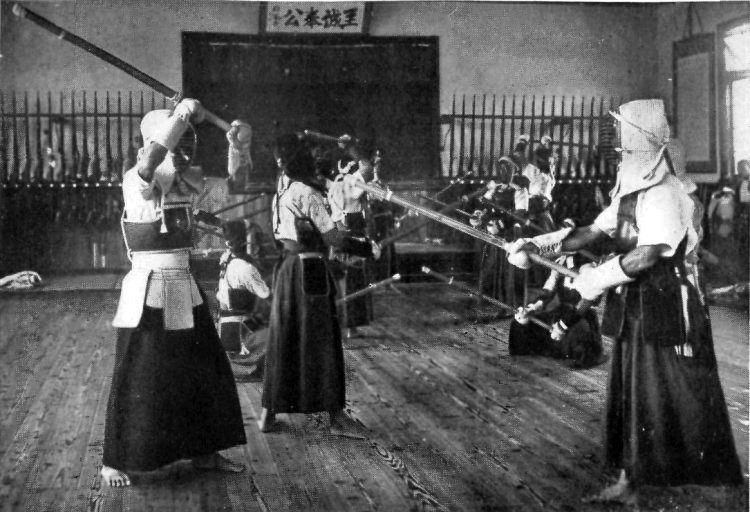
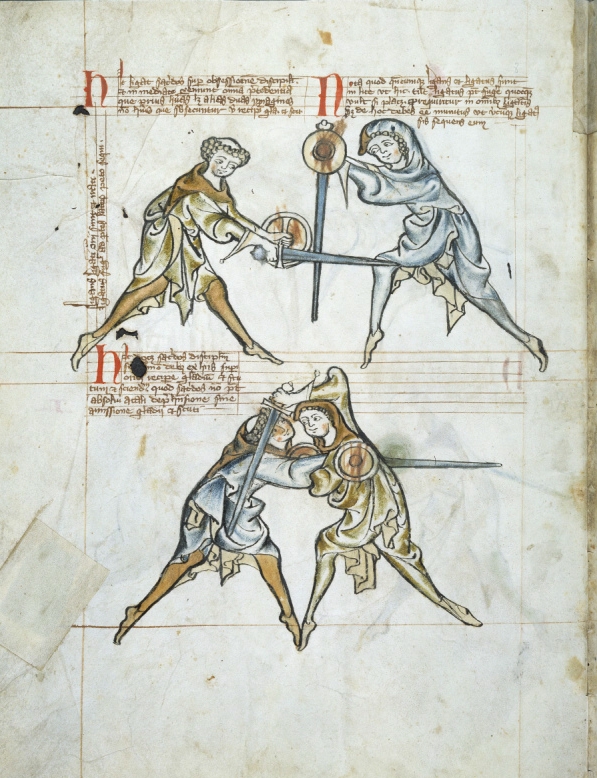
Core elements and techniques
Effective swordsmanship integrates several interdependent elements. Key components include:
- Footwork and distance: moving to control measure and the angle of engagement.
- Timing and rhythm: choosing the moment to attack, parry, or disengage.
- Bladework: cuts, thrusts, binds and feints adapted to the sword type.
- Guards and grips: positions that protect while preparing offense.
- Mental skills: decision-making, anticipation and adaptation under pressure.
Historical development
Sword use dates back millennia and evolved with metallurgy, armour and battlefield tactics. The Latin-derived term for a professional combatant, the gladiator, illustrates an early public role for bladed fighting as entertainment. Roman contexts such as Roman arenas and the Colosseum shaped some traditions; the Latin root gladius literally meant "sword." In the Middle Ages and Renaissance Europe, treatises and schools codified techniques for a variety of weapons from the arming sword to the rapier and longsword. Later civilian styles, including smallsword fencing, influenced the modern sporting rules reflected in contemporary English terminology and practice.
Contexts and uses
Swordsmanship appears in several contexts: battlefield combat, judicial or honor duels, personal defense, ceremonial display and sport. Today it remains a living tradition in martial arts such as koryu and kenjutsu in Japan, in Western historical reconstruction efforts, and in Olympic-style fencing where rules prioritize safety and point-scoring over lethal technique.
Training, preservation, and distinction
Modern training ranges from historically informed reconstruction (using period manuals and experimental practice) to regulated sport training with protective gear. Practitioners differentiate between martial swordsmanship—focused on effectiveness in real conflict—and sporting fencing, which emphasizes athleticism and standardized scoring. Preservation efforts include research into period sources, replication of weapons and public demonstrations that keep technique and cultural context alive.
Whether studied as a living martial discipline, a historical subject, or a competitive sport, swordsmanship remains a multifaceted field connecting physical skill, historical study and cultural tradition.
Questions and answers
Q: What does swordsmanship refer to?
A: Swordsmanship refers to the skills of a swordsman.
Q: What is small sword fencing?
A: Small sword fencing is a modern term that swordsmanship is mainly used to refer to.
Q: Can swordsmanship be applied to any martial art involving the use of a sword?
A: Yes, swordsmanship can be applied to any martial art involving the use of a sword.
Q: What is the English word that is parallel to the Latin word gladiator?
A: The English word that is parallel to the Latin word gladiator is swordsman.
Q: What was the profession of the gladiator?
A: The profession of the gladiator was a professional fighter who fought against other fighters and others for the entertainment of spectators in the Roman Colosseum.
Q: Where does the word gladiator come from?
A: The word gladiator comes from the Latin word gladius, meaning "sword".
Q: Are there any other meanings of the term swordsmanship?
A: No, there are no other meanings of the term swordsmanship mentioned in the given text.
Related articles
Author
AlegsaOnline.com Swordsmanship: History, Techniques, and Cultural Practice Leandro Alegsa
URL: https://en.alegsaonline.com/art/95565
Sources
- etymonline.com : Etymology Online
- famous101.com : "Famous Swordsmen in History"