
Battle of Pharsalus (48 BC) — decisive clash in Caesar's Civil War
Decisive engagement on 9 August 48 BC near Pharsalus, Thessaly, where Julius Caesar defeated Pompey the Great, a turning point that enabled Caesar's domination of the Roman state.
Overview
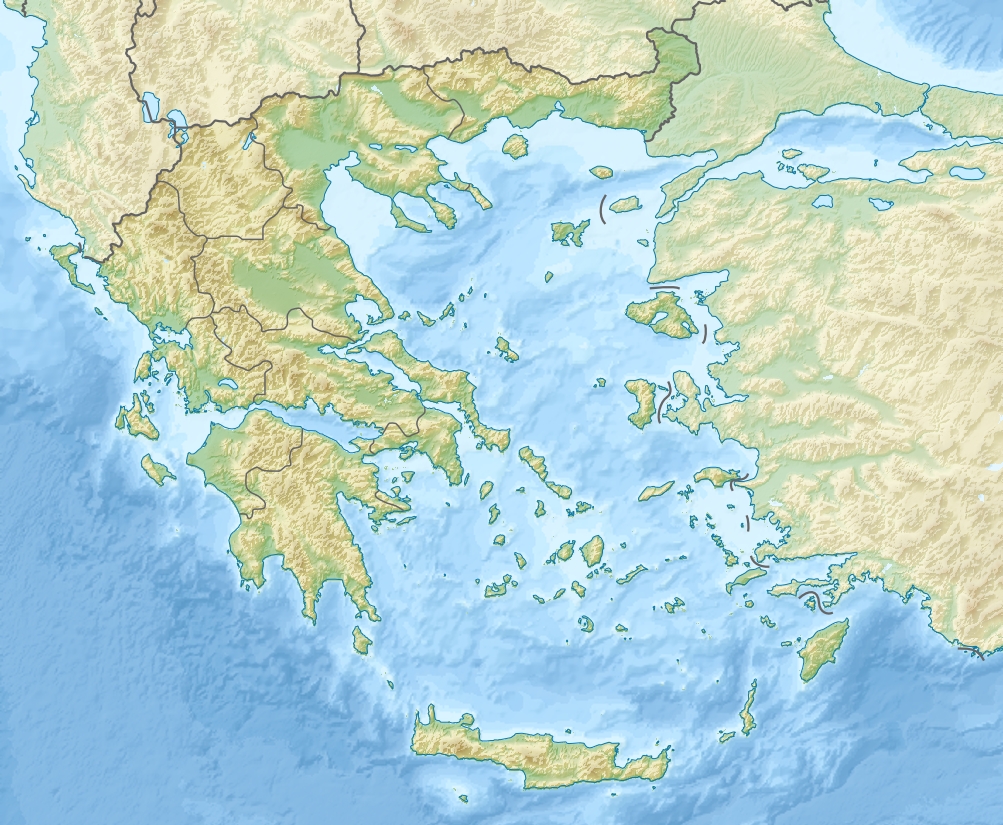
The Battle of Pharsalus was fought on 9 August 48 BC near Pharsalus in Thessaly, central Greece. It was the decisive engagement of the civil war between forces loyal to Gaius Julius Caesar and those aligned with the Roman senatorial cause under Gnaeus Pompeius Magnus, commonly known as Pompey the Great. Pompey commanded a numerically superior army backed by a majority of the Roman Senate, while Caesar led veteran legions hardened by earlier campaigns.
Image gallery
4 Images


Opposing forces and deployment
Pompey relied on a large infantry line and a strong cavalry wing intended to outflank and overwhelm Caesar. Caesar's troops were fewer but more experienced and cohesive. Before the battle both commanders chose deployments with Pompey occupying a more open plain suitable for cavalry action, hoping his superiority in numbers and mounted troops would decide the day.
Course of the battle
Fighting opened with cavalry engagement and infantry advances. Pompey's mounted troops initially drove back Caesar's horsemen and pursued them, creating an opportunity to roll up Caesar's flanks. To counter this risk Caesar had kept a portion of his infantry hidden and disciplined behind his main line. When Pompey's cavalry commitment left his own infantry exposed, Caesar ordered a decisive counterattack. The hidden infantry struck Pompey's rear and center, breaking cohesion and turning a local success into general rout.
Aftermath and significance
The defeat shattered Pompey's army as an effective field force. Pompey fled to Egypt, where he was murdered on arrival; Caesar pursued him and soon consolidated his control over Rome and its territories. Pharsalus was not the immediate end of the civil wars, but it was the pivotal moment that removed the dominant republican opposition to Caesar and set the stage for his later accumulation of power.
Notable facts and distinctions
- The battle illustrated how leadership, training and tactical flexibility could overcome superior numbers.
- Contemporary and later accounts differ in some details—estimates of troop strengths and precise maneuvers vary among ancient sources.
- Pompey had the political support of many senators; see references to the senatorial faction in sources that discuss the broader conflict involving the Roman Republic and the role of the senate.
- The contest was part of the wider struggle that followed Caesar's crossing of the Rubicon and the breakdown of compromise between rival power blocs within Rome; for Caesar's campaigns and biography consult materials on Caesar and on Pompey.
Pharsalus remains one of the best-known battles of the late Roman Republic because it combined political consequence with clear tactical lessons and because it marked a key step on the road from republican government to the rule of a single dominant leader.
Questions and answers
Q: What was the Battle of Pharsalus?
A: The Battle of Pharsalus was the decisive battle of Caesar's Civil War.
Q: When did the Battle of Pharsalus take place?
A: The Battle of Pharsalus took place on 9 August 48 BC.
Q: Where did the Battle of Pharsalus take place?
A: The Battle of Pharsalus took place at Pharsalus in central Greece.
Q: Who were the opposing forces in the Battle of Pharsalus?
A: The opposing forces in the Battle of Pharsalus were Gaius Julius Caesar and his allies versus the army of the republic under the command of Gnaeus Pompeius Magnus ("Pompey the Great").
Q: Who had the backing of a majority of senators in the Battle of Pharsalus?
A: Pompey had the backing of a majority of senators in the Battle of Pharsalus.
Q: Did Pompey's army significantly outnumber the experienced Caesarean legions in the Battle of Pharsalus?
A: Yes, Pompey's army significantly outnumbered the experienced Caesarean legions in the Battle of Pharsalus.
Q: Was the Battle of Pharsalus a decisive battle?
A: Yes, the Battle of Pharsalus was the decisive battle of Caesar's Civil War.
Related articles
Author
AlegsaOnline.com Battle of Pharsalus (48 BC) — decisive clash in Caesar's Civil War Leandro Alegsa
URL: https://en.alegsaonline.com/art/9532
Sources
- jstor.org : "Some reflections on the Battle of Pharsalus"
- doi.org : 10.2307/283876
- livius.org : Caesar's account of the battle