
Surfactant: function, structure, types and common uses
A surfactant is a substance that reduces the surface tension of a liquid and alters interactions between liquids, solids and gases; widely used as detergents, emulsifiers, wetting agents and foaming agents.
Overview
A surfactant is a substance that changes interfacial properties when added to a liquid. In simple terms, it reduces surface tension, allowing a liquid to spread, penetrate porous materials and form or stabilize bubbles and droplets. Surfactants improve wetting, emulsification and cleaning performance, which is why they are core ingredients in soaps, shampoos, cleaners and many industrial formulations.
Image gallery
4 Images


Structure and key characteristics
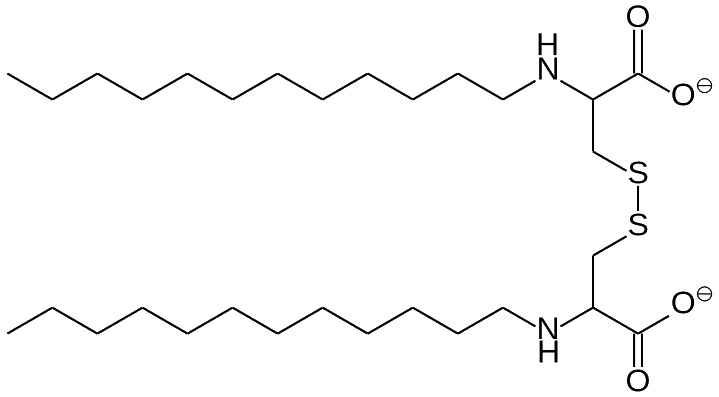
Most surfactants are amphiphilic molecules: one part is attracted to water (hydrophilic) and another part repelled by water (hydrophobic). This dual nature drives their behavior at interfaces and leads to the formation of micelles, emulsions and foams. Common physical effects include lowered interfacial tension, decreased contact angle on solids, and enhanced solubilization of oily substances in water.
Types
- Anionic: negatively charged head groups; commonly used in laundry detergents and many shampoos.
- Cationic: positively charged; often used as fabric softeners, hair conditioners and biocides.
- Nonionic: no net charge; valued for gentle cleaning and compatibility with other ingredients.
- Zwitterionic: carry both positive and negative charges on the same molecule; used where mildness and low irritation are needed.
Applications and examples
Surfactants appear across household, industrial and scientific contexts. Typical roles include detergency and stain removal, emulsifying oil and water for cosmetics and foods, dispersing pigments, foaming in firefighting foams and beverages, aiding pesticide formulations, and enhancing oil recovery in the petroleum industry. Well-known examples include soap molecules and synthetic compounds such as sodium lauryl sulfate and other alkyl sulfates. They are also used to improve spreading on fabrics, paper and other materials (liquids).
History, development and environmental considerations
Human use of surfactant-like soaps dates back to ancient times, while synthetic surfactants were developed and industrialized during the 19th and 20th centuries. Modern research has produced a range of bio-based and biodegradable surfactants, sometimes called biosurfactants, intended to reduce environmental persistence and toxicity. Environmental and health concerns focus on biodegradability, aquatic toxicity and potential for bioaccumulation; these considerations guide formulation, regulation and the development of milder alternatives.
Notable distinctions and resources
Surfactants differ from solvents and simple additives because they act at interfaces rather than solely dissolving substances. Their performance depends on concentration (critical micelle concentration), pH, temperature and the presence of salts or other additives. For technical summaries and further reading consult a materials or formulation guide and introductory texts on colloid and interface science. Additional practical and safety information is available from industry and regulatory sources (chemical references).
Questions and answers
Q: What is a surfactant?
A: A surfactant is a chemical that decreases the surface tension of a liquid.
Q: What are the benefits of using a surfactant in cleaning products?
A: Using surfactants in cleaning products makes the liquid better at cleaning, as it can soak into things more easily and create bubbles.
Q: Can surfactants be used in non-cleaning products?
A: Yes, surfactants can be used in a variety of industries, such as the pharmaceutical and agrichemical industries.
Q: How do surfactants lower surface tension?
A: Surfactants contain both hydrophobic (water-repelling) and hydrophilic (water-attracting) parts, which work to separate and reduce the tension at the surface of a liquid.
Q: How do bubbles form easier with the use of surfactants?
A: When the surface tension of a liquid is lowered, it takes less energy to create a bubble. Therefore, bubbles form easier with the use of surfactants.
Q: Are surfactants safe to use?
A: Yes, surfactants are generally safe to use in cleaning products and are approved for use by regulatory agencies.
Q: How do surfactants improve the effectiveness of soap?
A: By lowering the surface tension of water, surfactants help water form a solution with greasy or oily substances, allowing them to be easily washed away.
Related articles
Author
AlegsaOnline.com Surfactant: function, structure, types and common uses Leandro Alegsa
URL: https://en.alegsaonline.com/art/95163
Sources
- dx.doi.org : 10.1002/14356007.a25_747