
Super OS — an Ubuntu‑based 'out of the box' Linux distribution
Super OS (formerly Super Ubuntu) is an Ubuntu-based distribution that aimed to provide a ready-to-use desktop with extra codecs, drivers and applications while retaining compatibility with Ubuntu.
Overview
Super OS, originally released under the name "Super Ubuntu," is a community-maintained Linux distribution built on top of Ubuntu. Its stated purpose was to deliver an "out of the box" desktop: a system that required minimal post-install setup by including additional codecs, drivers and user-facing applications not bundled with upstream Ubuntu. The project was intended to stay compatible with Ubuntu package repositories so that users could continue to receive updates and install software in the same way as with Ubuntu.
Image gallery
1 Image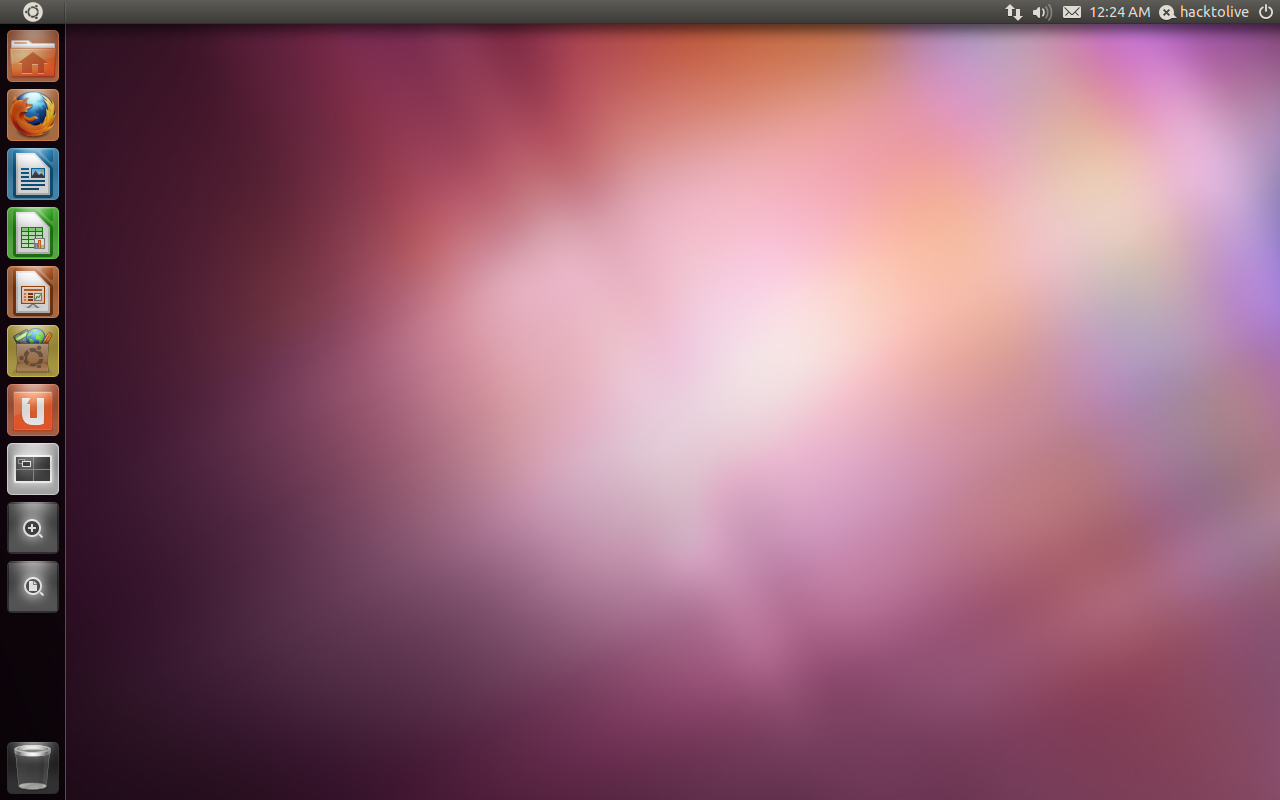
Key characteristics
Unlike a minimal or stock Ubuntu install, Super OS packaged a selection of commonly requested extras so desktop functionality worked immediately after installation. Typical additions included proprietary multimedia codecs, firmware and hardware drivers, browser plugins and a set of convenience utilities and multimedia applications. The distribution aimed to preserve the same desktop experience and underlying package management as Ubuntu.
- Preinstalled multimedia codecs and format support
- Additional proprietary drivers and firmware for common hardware
- Extra applications and tweaks for usability
- Compatibility with Ubuntu repositories and update channels
History and development
The project began as Super Ubuntu and later rebranded to Super OS. It used remastering tools such as Reconstructor and other customization utilities to create modified installation images from Ubuntu bases. By basing on current Ubuntu releases, Super OS sought to benefit from the upstream distribution's stability and large ecosystem while delivering an enhanced desktop out of the box.
Installation, compatibility and maintenance
Installation followed the same general process as Ubuntu, producing a system that continued to use Ubuntu package repositories and tools such as APT. Because packages and updates were drawn from Ubuntu-compatible sources, users could install software and receive updates similarly to a regular Ubuntu installation. However, adding proprietary codecs and drivers raised licensing and redistribution considerations in some jurisdictions; projects like Super OS typically noted these differences compared with official Ubuntu images.
Use cases and notable distinctions
Super OS was most suitable for users who preferred a desktop that required little manual configuration after installation—people who wanted multimedia playback, hardware support and common applications working immediately. It differed from canonical releases by packaging additional, often proprietary, components and by being a community remaster rather than an officially supported Ubuntu flavor. For users seeking a ready-made alternative with similar goals, other derivatives and distributions—each with different philosophical and licensing choices—offer comparable approaches.
For further information or project resources see the community project page: Super OS project.
Questions and answers
Q: What is Super OS?
A: Super OS is a free Linux distribution that is based on Ubuntu and modified with reconstructor.
Q: What is the main goal of Super OS?
A: The main goal of Super OS is to provide an ‘Out of the Box’ experience with various enhancements over Ubuntu, while remaining compatible with it.
Q: Was Super OS formerly known as Super Ubuntu?
A: Yes, Super OS was formerly known as Super Ubuntu.
Q: Is Super OS a paid or free Linux distribution?
A: Super OS is a free Linux distribution.
Q: What tool is used to modify Ubuntu and create Super OS?
A: Reconstructor is the tool used to modify Ubuntu and create Super OS.
Q: Does Super OS strive to remain compatible with Ubuntu?
A: Yes, Super OS has the goal of remaining compatible with Ubuntu.
Q: What distinguishes Super OS from Ubuntu?
A: Super OS contains various enhancements over Ubuntu, providing an ‘Out of the Box’ experience.
Related articles
Author
AlegsaOnline.com Super OS — an Ubuntu‑based 'out of the box' Linux distribution Leandro Alegsa
URL: https://en.alegsaonline.com/art/95010
Sources
- hacktolive.org : Super OS 11.10 released
- distrowatch.com : "Distribution Release: Super OS 11.10 (DistroWatch.com News)"
- hacktolive.org : "Loading..."
- hacktolive.org : "Loading..."
- hacktolive.org : "Loading..."
- hacktolive.org : "Loading..."
- lifehacker.com : "App Runner Makes Launching Linux Executables Easier"
- hacktolive.org : hacktolive.org/cd2usb
- hacktolive.org : The RUNZ Framework
- hacktolive.org : hacktolive.org/wiki/SuperDebs
- hacktolive.org : Super OS Service Pack
- hacktolive.org : hacktolive.org/wiki/Super_OS_repository
- news.softpedia.com : "It's a Bird, It's a Plane, It's Super Ubuntu"